Is Your Old Garage Door Worth Fixing in Rolling Meadows
Rolling Meadows homes mostly date to the 1960s and 70s.
Read moreWhat garage door repair and replacement actually runs in Rolling Meadows, why the cold hits older doors hard here, and the mistake owners make with 1960s-70s hardware.
Local detail
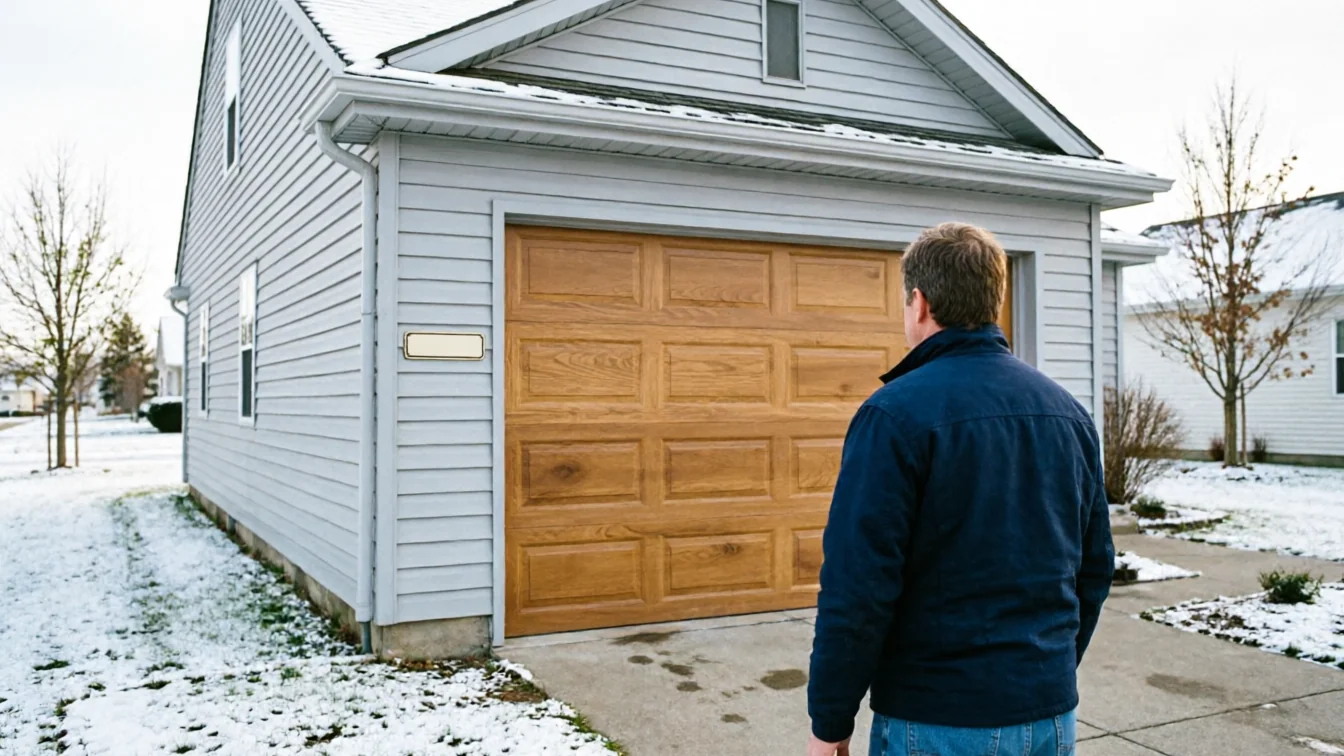
We don't post a price list because the job changes depending on what's behind your wall. A torsion spring swap on a single door costs less than a full door replacement, and a door that's warped from age costs more to fix than to just replace once you add up the labor. What we can tell you is what drives the number up or down in this town specifically: original 1960s and 1970s hardware (common here per the housing stock) often means non-standard spring sizes or discontinued track brackets, which adds time to source parts. A newer door installed after 2000 usually uses standard hardware we carry on the truck, so that job moves faster and costs less in labor. If you're buying a replacement door here, the biggest cost swing is insulation level - a double-wall steel door built for a severe cold climate costs more upfront than a single-layer door, but it's the right call for this area. We'll give you a number after we look at the door, not before.
The area
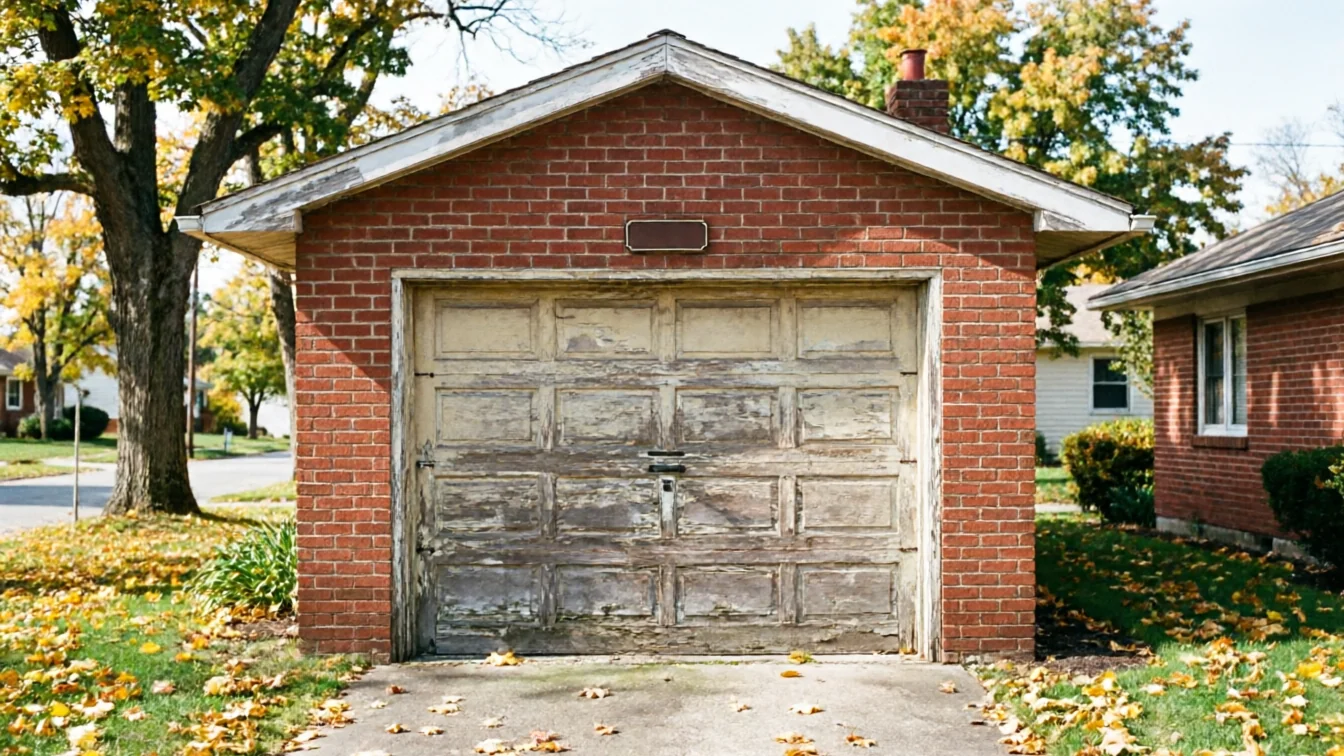
Rolling Meadows housing runs from 1938 up through 2009, with the median build year landing around 1978. That spread matters because a door and opener installed when a house was built in the 1960s or 70s is now pushing past the end of its reasonable service life, and a lot of these houses never had the hardware updated even once. Across the wider area, most of the housing stock still dates to that same 1960s-70s window, which means a huge share of the doors we get called on weren't replaced - they were patched, repainted, maybe had a panel swapped, and left running on the original torsion spring. A median household income of $113,125 across this area means most owners here aren't shopping bottom-shelf doors when they do replace, but they also don't replace early. The typical call is a door that's worked fine for decades until the week it doesn't.
What we find
This area sits in a severe cold climate band, and that changes what breaks and when. Steel contracts in deep cold, so a panel seam that's slightly loose in July can rattle or bind in January. Torsion springs lose a measurable amount of lifting force as the temperature drops, which means a spring that was already near the end of its cycle count is far more likely to snap on the coldest morning of the year, not the warmest. Nylon rollers on an older door get brittle and crack in cold weather faster than the steel rollers that came standard on anything built before the 90s. Opener grease on a decades-old unit thickens enough in severe cold to strain the drive gear, and that's a slow failure, not a sudden one - you'll hear the motor working harder for weeks before it actually strips. None of this is unique to one bad winter. It's the baseline for a house built in this area's typical era, every year the cold comes back.
How we work
The mistake we see most is an owner replacing a broken spring or a cracked panel on a door that's otherwise from the 1960s-70s stock common in this area, and treating that as the fix. It isn't. A door built for that era wasn't engineered for the insulation standards or the lift mechanics that a severe cold climate calls for now, and patching one component just means the next one goes - often the opener gear or the next roller, within a year or two. The other version of this mistake is the opposite: replacing a whole door when the actual failure is one spring or a bent track, which is a far smaller job. We'll tell you straight which one you're looking at. One honest limit here - if your opener is an older chain-drive unit, the gear kits for some of those models are no longer stocked by the manufacturer, and in that case replacement is the only real option, not a repair we can order our way out of.
Questions
Cold weather reduces how much force a torsion spring can deliver, and it accelerates metal fatigue on a spring that's already near the end of its cycle count. In this area's severe cold band, that final failure tends to land on the coldest stretch of the year, which feels sudden but usually isn't - the spring was already close to done.
Sometimes. If the track and frame are square and the only failure is the spring or an opener part, repair makes sense. If the panels are warped or the hardware is discontinued, you're often better off replacing, since you'd be paying labor twice otherwise.
For a garage that shares a wall with living space, yes - it noticeably cuts the cold transfer. For a detached garage with no heated space nearby, it matters less and you can save money going with a single-layer door instead.
Recommendation
More garage door guides for Rolling Meadows homeowners.
Rolling Meadows homes mostly date to the 1960s and 70s.
Read more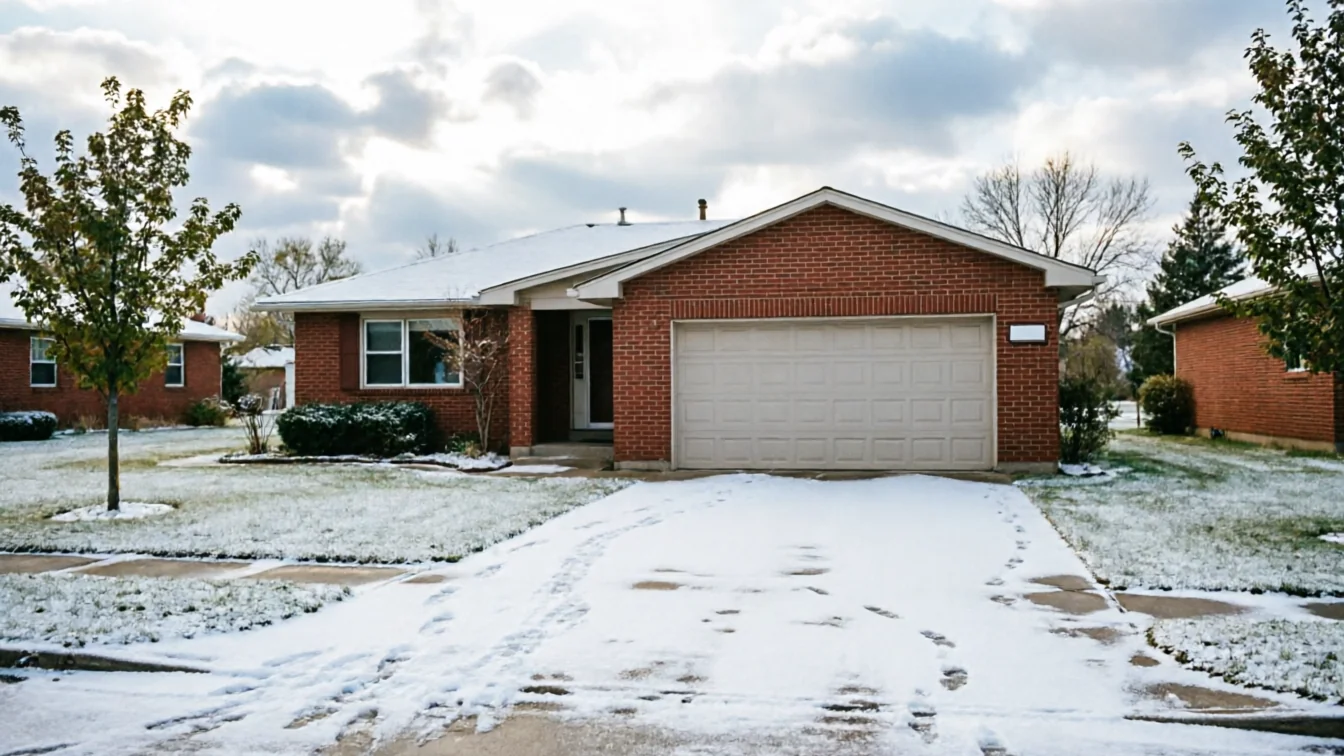
Rolling Meadows homes built mostly in the 1960s and 70s face cold-weather spring failures.
Read more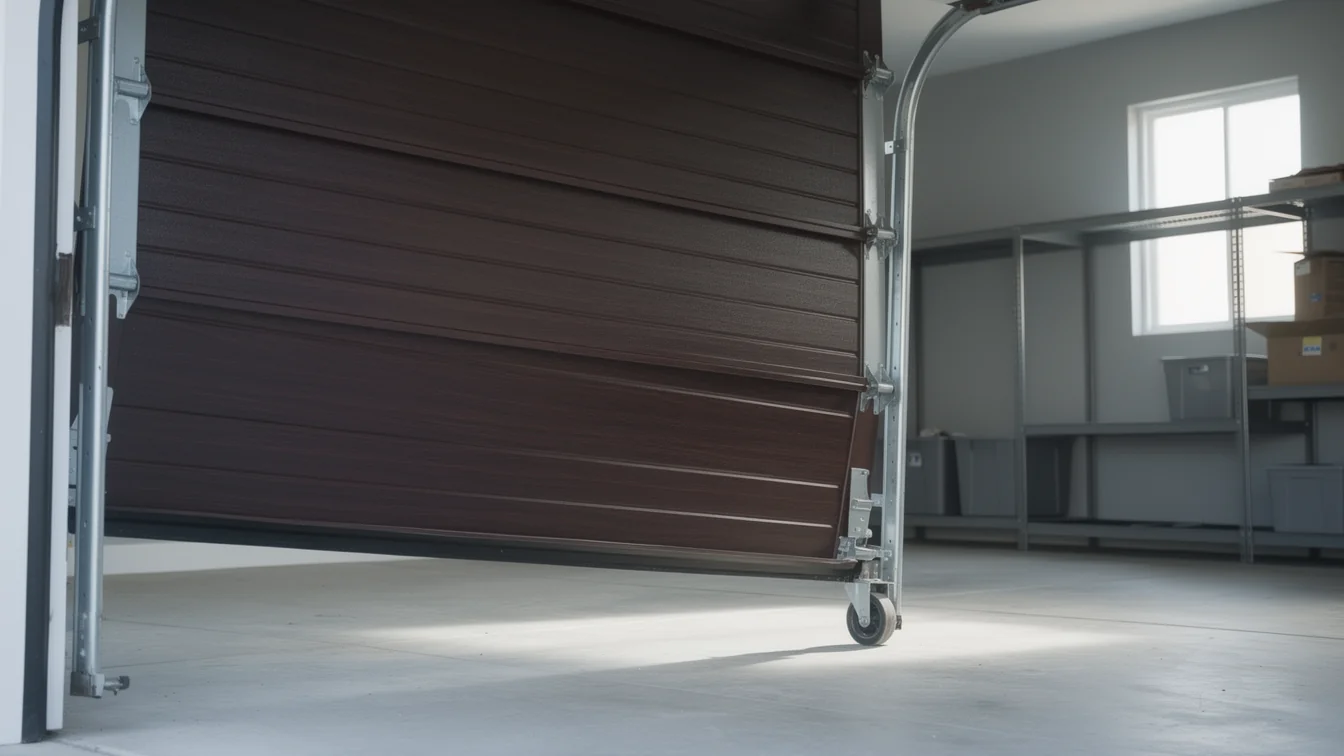
A look at why older Rolling Meadows garage doors slip their tracks, tied to this area's 1960s-70s housing stock, cold winters, and what actually fixes it.
Read moreReady when you are
Rolling Meadows Garage Door Pros repairs and installs garage doors, springs and openers in Rolling Meadows, IL and the surrounding area.