Rolling Meadows, IL
Garage Door Repair for Rolling Meadows Homes
Torsion springs, off-track doors, and cold-snapped cables on Rolling Meadows's 1960s-70s housing stock. Straight talk on repair, not replacement, from a local crew.
Popular Services
What Causes It Around Here
Rolling Meadows housing runs from 1938 up through 2009, but the median build year sits at 1978, and the bulk of the stock around here went up in the 1960s and 70s construction push that filled out this part of the northwest suburbs. That matters for one reason: torsion springs have a service life measured in cycles, not years, and a door installed when a house was framed in 1968 is running hardware that's forty-plus years past its design life even if nobody's touched it. Original one-piece doors on side-mounted torsion setups are still common on these blocks, and parts for that generation aren't something every supply house carries off the shelf. Layer in a cold-severe climate band and you get a second failure path: steel loses temper and flexibility as it gets cold, so a spring that's already fatigued from age doesn't just wear out slowly, it can let go on a January morning with no warning. We see the two causes stack on top of each other constantly here - old hardware plus hard cold. It's not that newer doors never fail, it's that the math on this town's housing age puts more doors into the failure window at once than you'd see in a neighborhood built in the last fifteen years.
The Symptom
The most common call is a door that won't move at all - you hit the opener and get a hum, or nothing, because a broken torsion spring means the opener motor is trying to lift the full dead weight of the door with no counterbalance.
Warning signs before failure
Before that full failure, there's usually a warning stage: a loud bang from the garage (a spring snapping under tension), a door that feels heavier than it used to when you lift it by hand, or a door that closes unevenly, one side dropping faster than the other because one cable or one spring is carrying more load than its partner.
Dry roller grinding
Rollers that have gone dry or chipped will show up as a grinding or popping sound as the door travels the track, worse in cold weather when the grease inside the roller bearing stiffens up.
Reversal near the floor
An opener that reverses right before it hits the floor, or that runs but the door doesn't move, usually points to the drive mechanism rather than the springs, and that's a different repair entirely. None of these symptoms fix themselves, and most of them get worse the longer the door keeps cycling under the wrong tension.
The DIY Question
Some of this is genuinely fine to check yourself. You can look at the cables for fraying, listen for a new grinding sound, and check whether the door is level by eye when it's halfway open.
Torsion spring tension danger
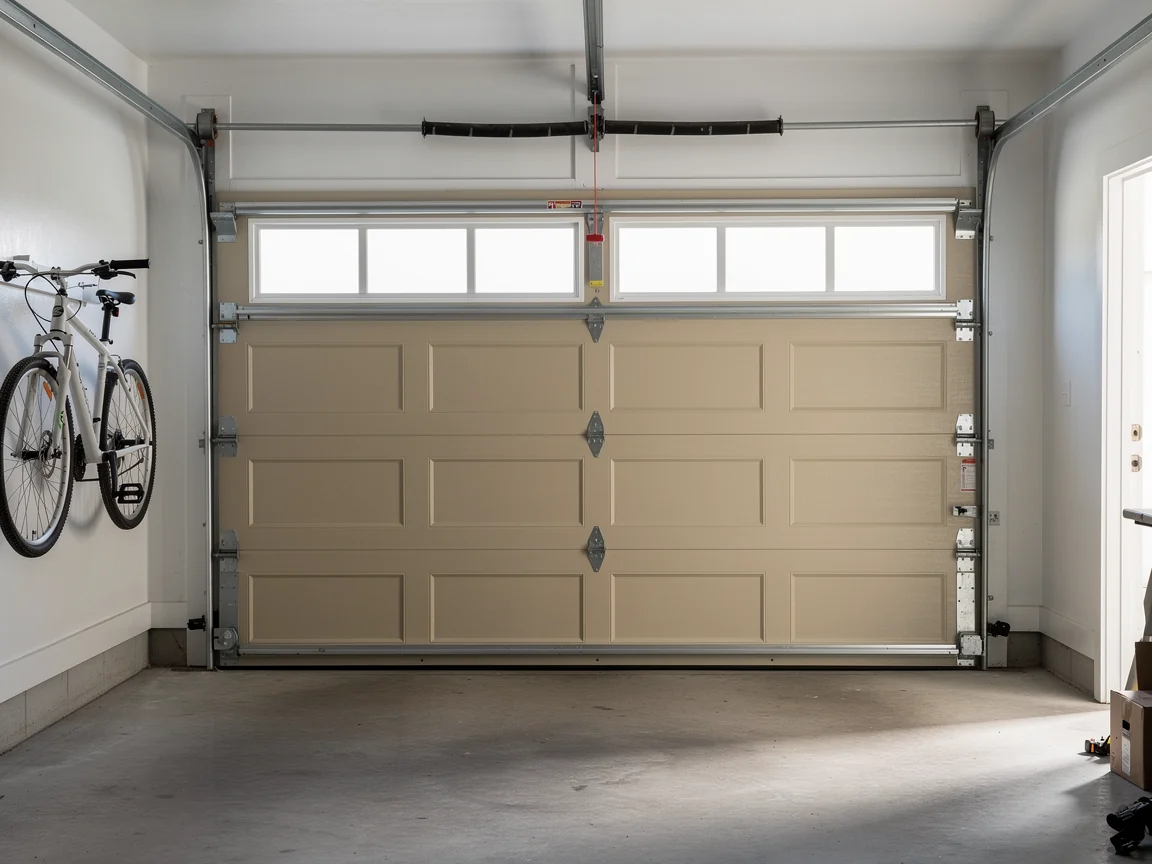
What you should not do is touch a torsion spring. These are wound under several hundred pounds of tension and the tools to release that tension safely aren't something most garages have lying around - this is the one repair on a garage door where a mistake causes a real injury, not just a redo.
Off-track door hazards
Cable replacement on a wound spring system carries the same risk. If the door is off its track, don't force it back by hand; a bent track usually means a bent roller bracket too, and forcing it can pull the opener rail out of alignment.
Tasks safe for homeowners
The honest limit here: if you're comfortable with a ladder and a socket wrench, you can handle hinge tightening and lubricating rollers and hinges. Anything involving the spring system or the cables under tension is a call, not a weekend project.
How Long You Are Without the Door
How long a repair takes depends on what broke and whether the part is something carried on the truck or something that has to be ordered. A standard torsion spring swap on a common size is usually a same-visit job. Where it stretches out is hardware tied to the older builds common in this town - an original one-piece door from the 1960s or 70s build wave, or a non-standard torsion bar length, sometimes isn't something carried as stock, and that means a lead time before the part shows up. We'd rather tell you that up front than guess at a timeline and miss it. In the meantime, a door stuck open is a security and weather problem in a cold-severe climate, so we'll talk through whether it makes sense to block it manually closed while we wait on a part, versus whether the age and condition of the door means replacement is the better money than chasing parts for hardware that's near the end of its life anyway.
Questions
Common questions
Why did my garage door spring break with no warning?
Torsion springs fail from metal fatigue after a set number of open-close cycles, and that fatigue speeds up in cold weather because steel gets less flexible as temperatures drop. A lot of Rolling Meadows houses have springs original to a 1960s or 70s build, so the fatigue clock has been running a long time before cold weather finishes the job.
Can I replace a torsion spring myself?
No. Torsion springs are wound under heavy tension and releasing that tension without the right tools has caused serious injuries. This is the one job on a garage door we tell every homeowner to leave alone, even people who are otherwise comfortable with home repairs.
Is it ever better to replace the whole door instead of repairing it?
Sometimes, especially on original doors from the older build years in this town where hardware is hard to source. If the repair cost is climbing close to replacement cost, or the door's steel is already rusted or warped, we'll say so instead of running up a repair bill on a door near the end of its life.
How fast do you carry the parts for an older door?
Common torsion springs and standard rollers are usually on the truck. Non-standard torsion bar lengths or hardware for an original 1960s-70s door sometimes need to be ordered, and we'll tell you that lead time before starting the job, not after.
Explore more
Explore More Services In Rolling Meadows, IL
Garage Door Installation for Rolling Meadows Homes
New garage door installation in Rolling Meadows, IL, matched to the area's 1960s-70s split-levels and ranches built to handle Chicago-area cold winters. Learn more →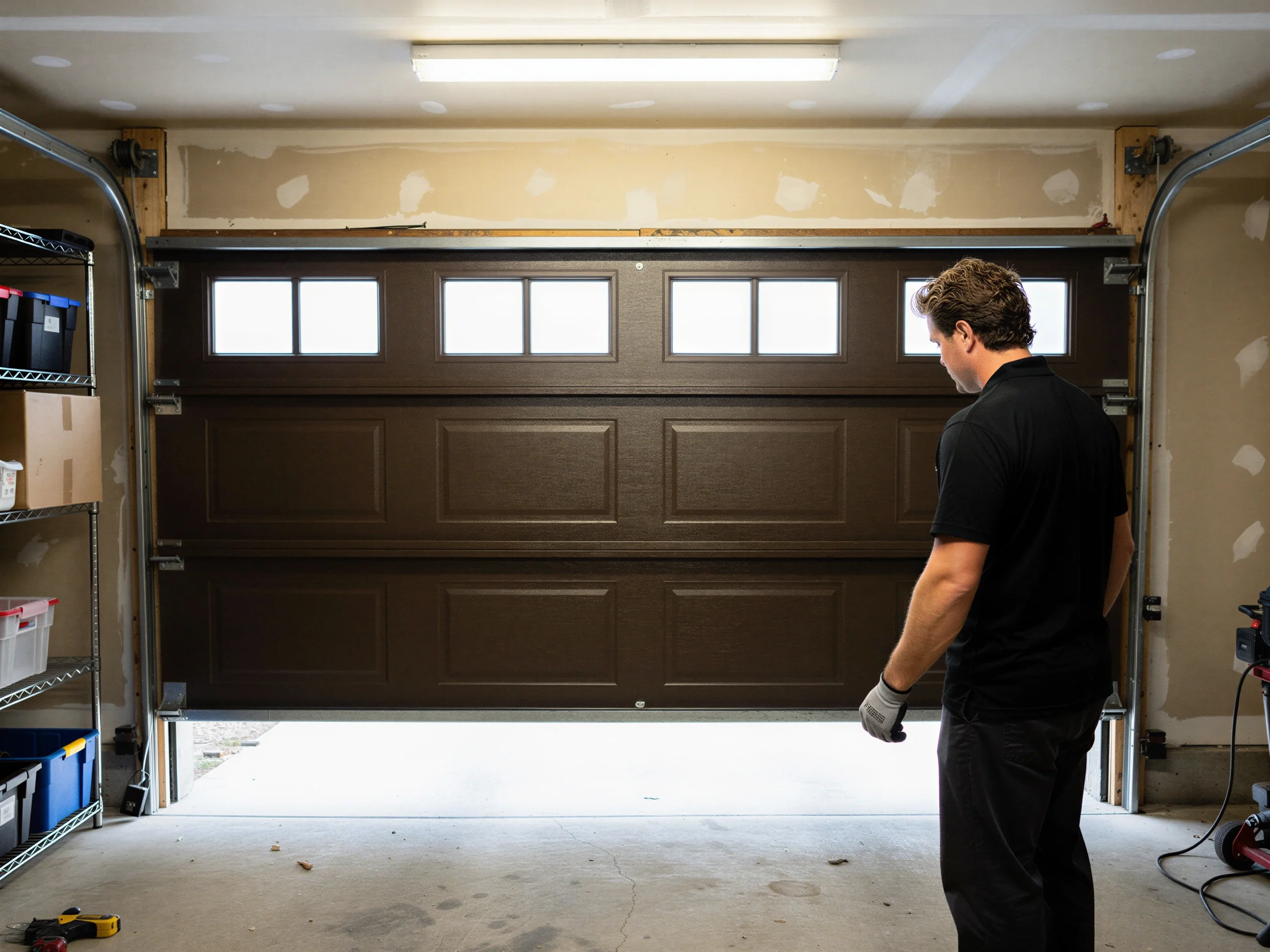
Garage Door Service for Rolling Meadows's 1960s and 70s Housing Stock
Rolling Meadows homes mostly date to the 1960s and 70s, and severe cold winters wear out springs and seals fast. Learn more →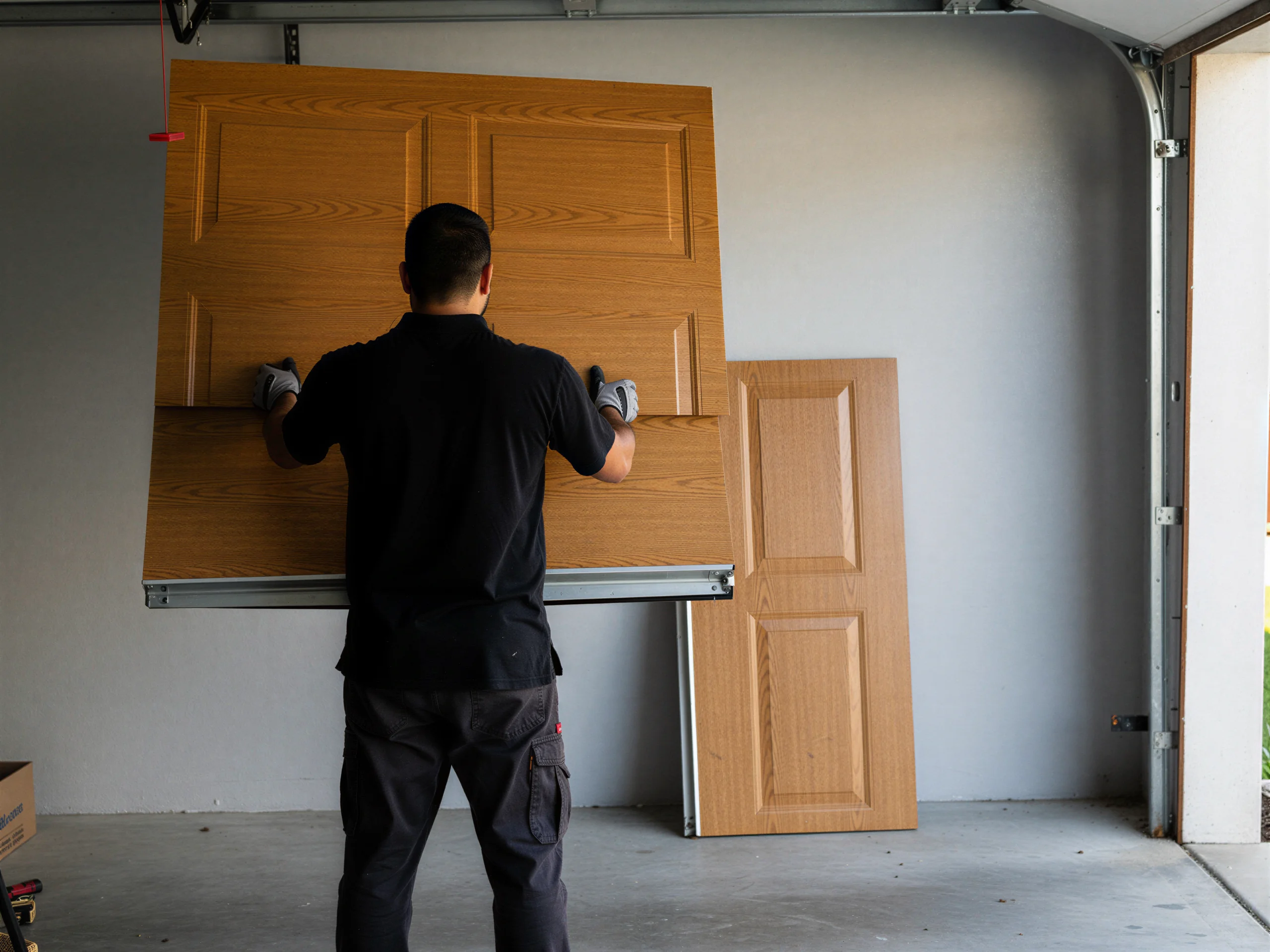
Cracked or Dented Garage Door Panels in Rolling Meadows
Dented or cracked garage door panels are common on the 1960s-70s steel doors around Rolling Meadows. Learn more →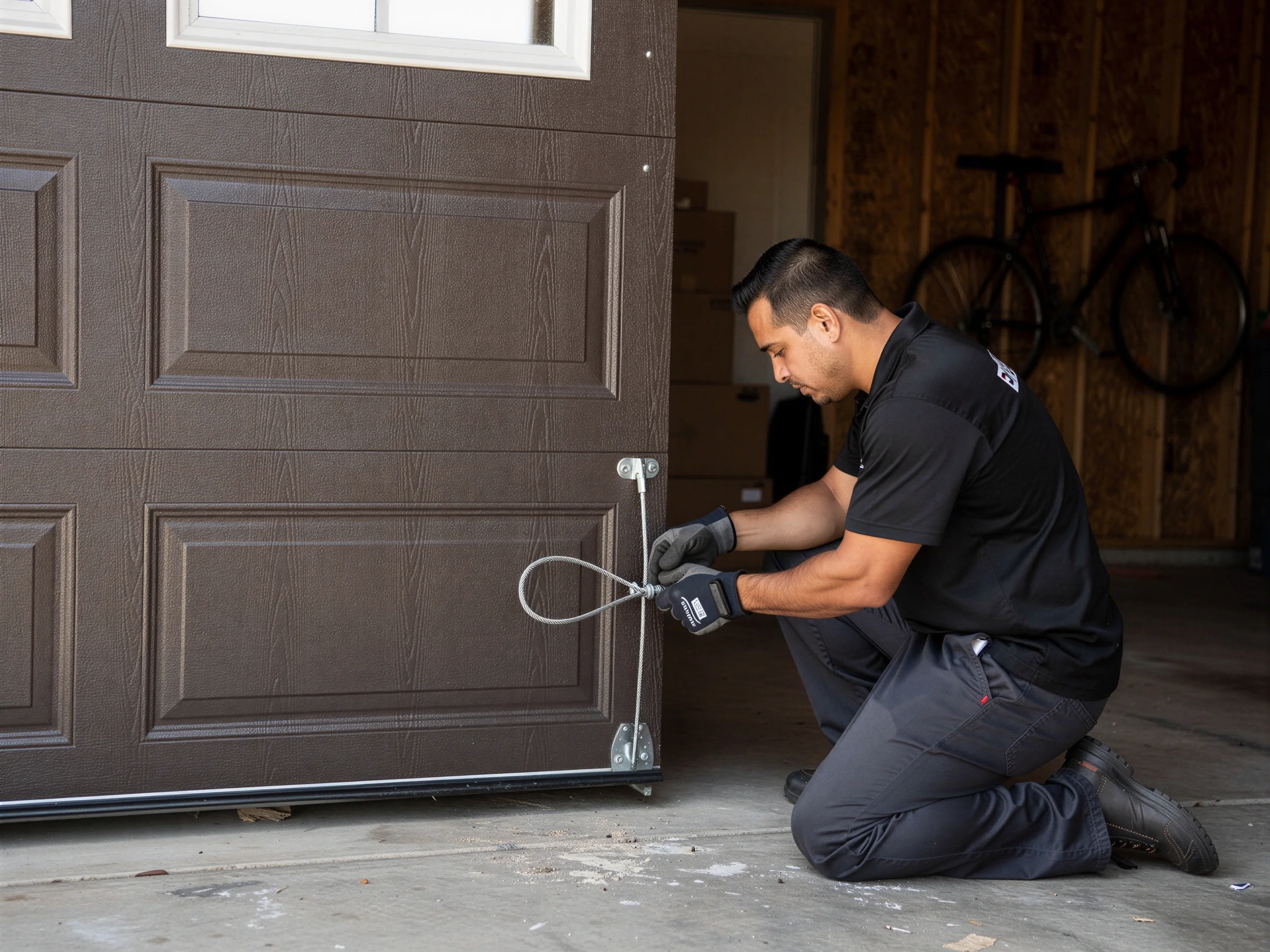
Garage Door Cable Repair for Rolling Meadows Homes
Broken or frayed garage door cables are common on Rolling Meadows's 1960s-70s housing stock after a cold winter. Learn more →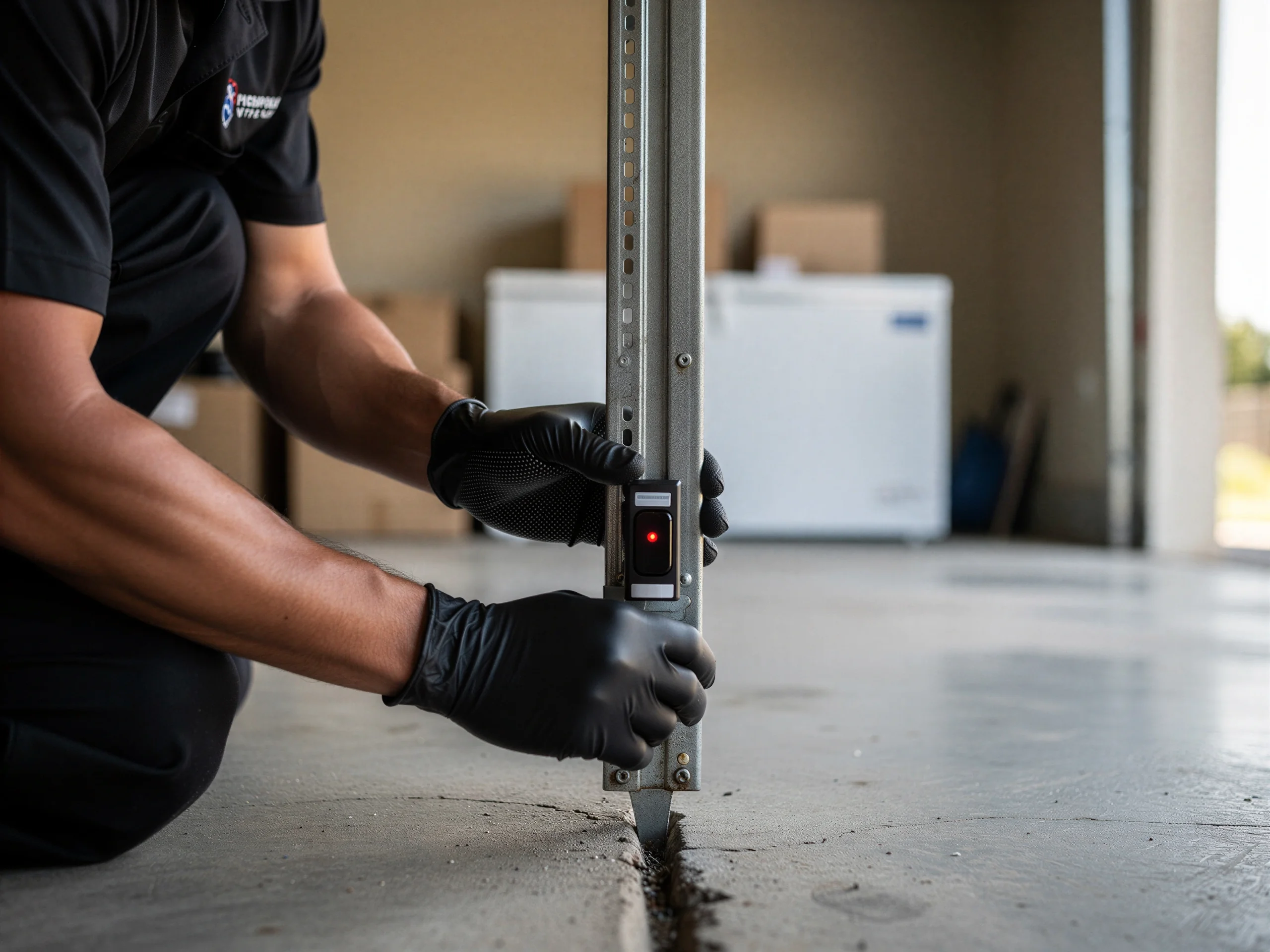
Garage Door Opener Repair for Rolling Meadows Homes
Opener grinding, stalling, or not responding to the remote? Learn more →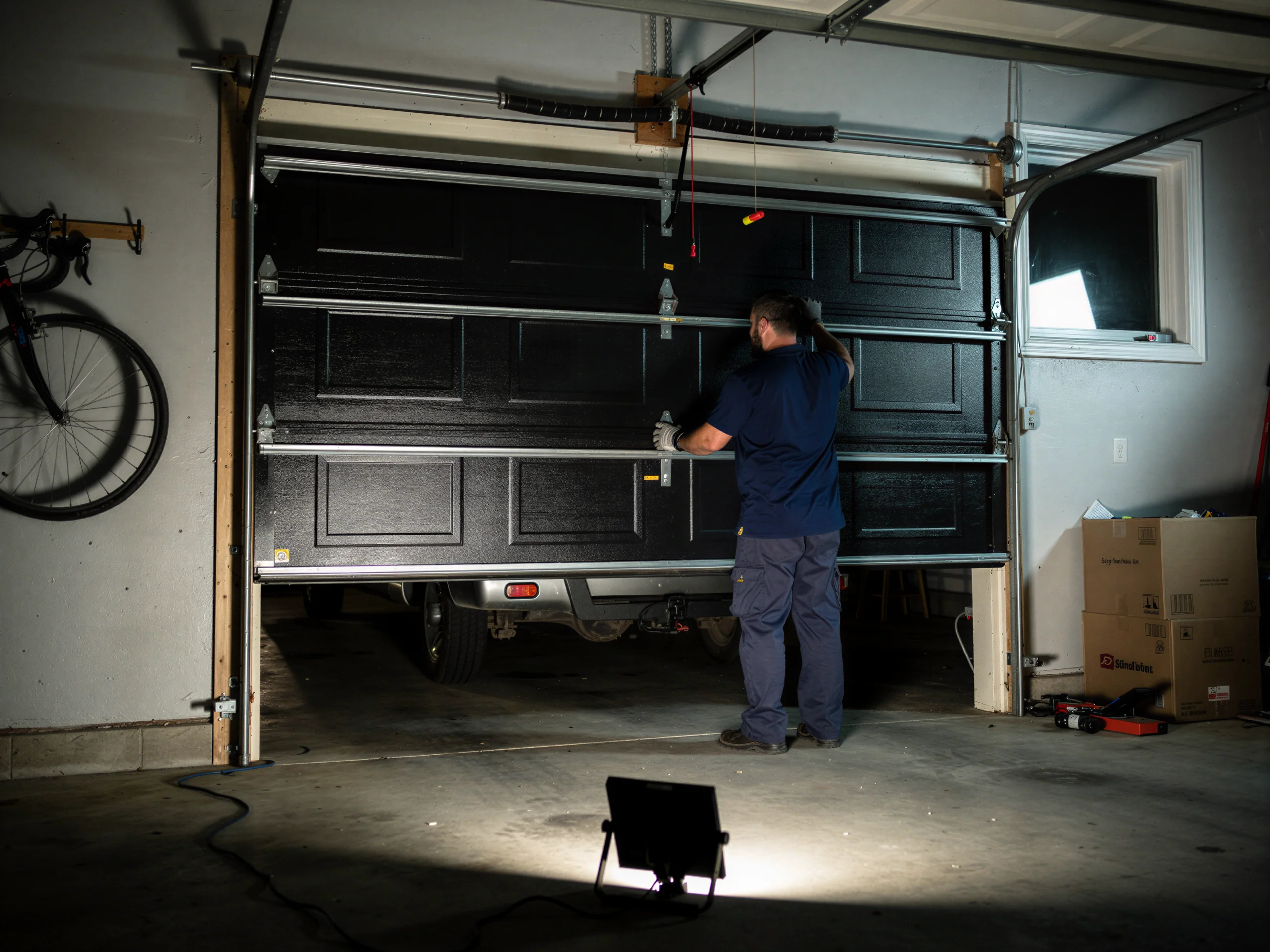
Emergency Garage Door Repair for Rolling Meadows Homes
Broken spring or dead opener on a cold night in Rolling Meadows? Learn more →Ready when you are
Garage door trouble in Rolling Meadows?
Rolling Meadows Garage Door Pros repairs and installs garage doors, springs and openers in Rolling Meadows, IL and the surrounding area.