Rolling Meadows, IL
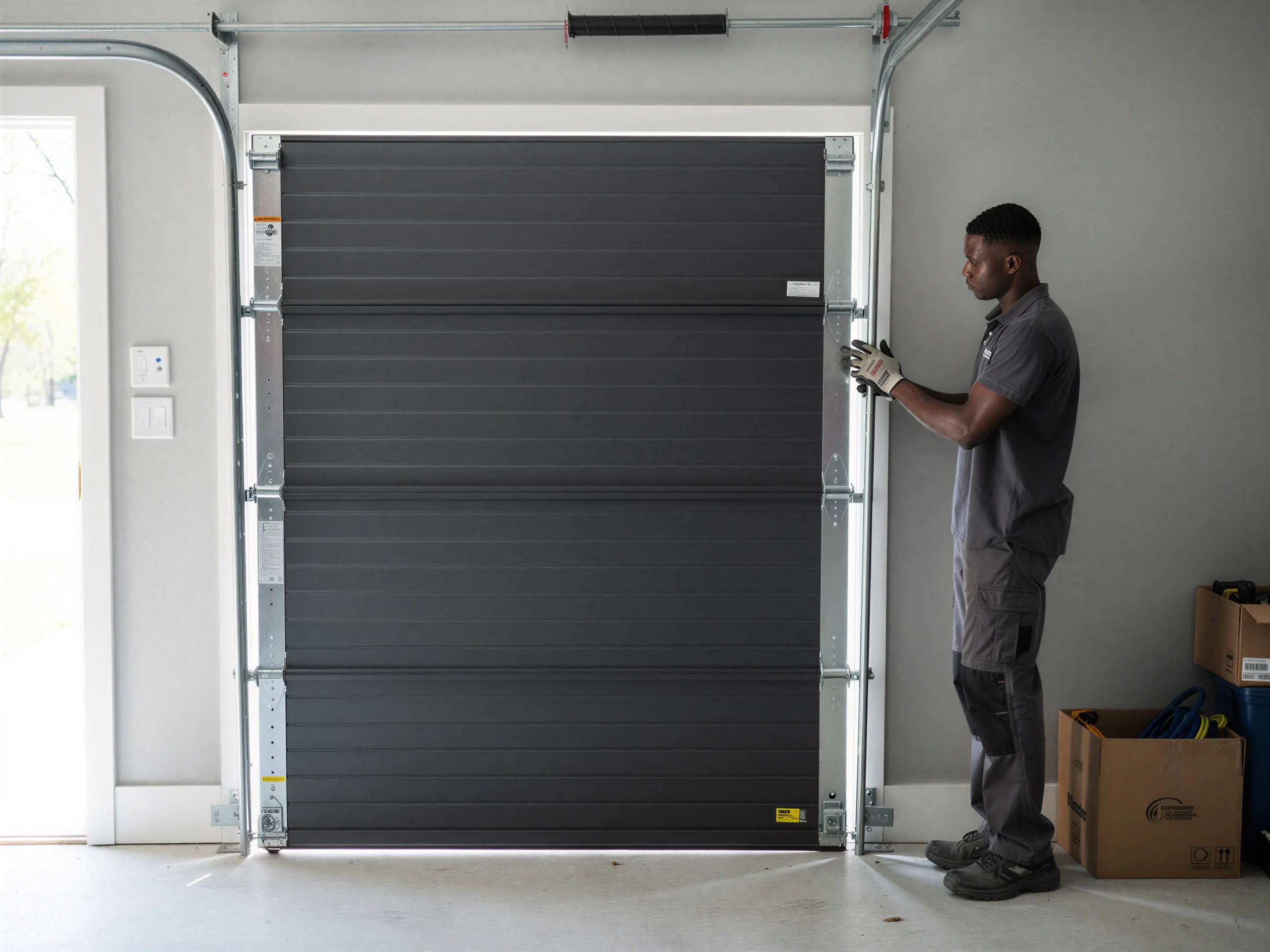
Garage Door Installation for Rolling Meadows Homes
New garage door installation in Rolling Meadows, IL, matched to the area's 1960s-70s split-levels and ranches built to handle Chicago-area cold winters.
Popular Services
What Causes It Around Here
Housing in this part of the county was built mostly between 1938 and 2009, with the median home dated to 1978, and the bulk of what's actually on the ground is 1960s and 70s ranches and split-levels. That matters for garage doors because those decades is when a lot of attached one-and-a-half and two-car garages first got built into these house plans, and the doors and track hardware that went in then were built to the standards of their era, not ours. Thin steel panels, little or no insulation, and track hung for a climate assumption that didn't account for the kind of severe cold swings this area actually gets. We sit in a COLD severe climate band, which means the steel, the rollers, and the weatherstripping all take a beating every winter that a door built in the 90s for a mild-climate spec was never designed to absorb. When a door from that housing stock finally gives out, it's rarely one single part. It's usually the whole assembly reaching the end of what it was built for at the same time, which is why so many calls here turn into full installs instead of patch repairs.
The Symptom
The door that's original to a 1960s or 70s build usually doesn't fail all at once. It starts sticking on cold mornings because the steel has contracted and the track alignment that was fine in August is off by a sixteenth of an inch in January.
Rust from snowmelt
The opener strains and makes a new noise. Panels that have taken fifty winters of freeze-thaw start to show rust bloom at the bottom edge where snowmelt sits.
Cold air into house
On a lot of houses in this stock, the garage is attached to a mudroom or kitchen entry, so when the door stops sealing right, the cold gets into the house, not just the garage. That's usually the moment a homeowner calls - not because the door won't open, but because the cold is now coming through it.
The DIY Question
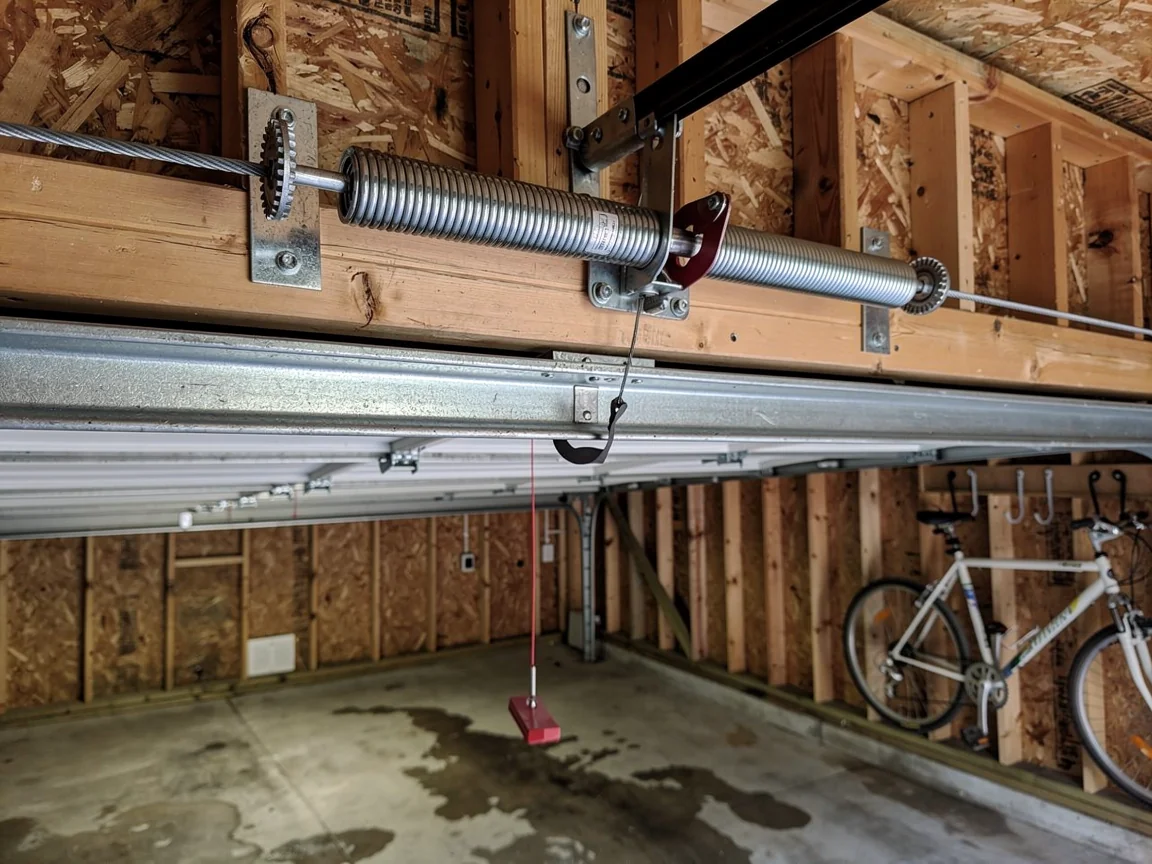
A torsion spring under load can break a bone or worse, and that doesn't change because the house is older or the door is original equipment. If you're thinking about pulling the old door yourself and setting a new one, understand that a full install means disconnecting the opener, removing the old spring assembly under tension, re-squaring the track to an opening that may have settled over fifty-plus years, and getting the new door's R-value matched to a cold-climate install, not a big-box default. We'll say it plainly: this isn't a weekend job for most people, and we don't recommend it. Where we draw a harder line is on openers - if yours is more than a few years old and you're already replacing the door, we'll tell you honestly whether it's worth keeping or whether it'll fight the new door's weight and balance. We'd rather tell you that up front than sell you a mismatched setup.
How Long You Are Without the Door
Pulling an original door and setting a new one on an older opening takes longer than a straight swap on a newer house, because the track and jamb often need shimming or re-squaring before the new door goes in true. We measure, order to the actual opening - not to what the builder's plan says it should be - and do the swing in one visit once the door's on site. The exact wait on parts depends on the door style and size you pick, and we'll give you that number before you commit to anything, not after. What we won't do is leave a half-finished opening overnight in a COLD severe winter - if the old door has to come down, the new one goes up the same day.
Questions
Common questions
Will a new garage door actually fit my old opening?
Most of the time, yes, but houses from the 1960s and 70s stock around here have settled over the decades, so we measure the actual opening rather than assuming it matches the original builder spec. If the frame's out of square, we account for that before the new door goes in, not after.
Do I need a new opener with a new door?
Not always. If your opener is in good shape and rated for the new door's weight, we can often reuse it. We'll check the lift capacity and age against the door you're choosing and tell you straight if it's a mismatch rather than selling you one you don't need.
How insulated does a garage door need to be here?
We're in a severe cold climate band, so an insulated door isn't a luxury upgrade if your garage shares a wall with living space. We'll walk you through the R-value options relative to what your garage is attached to.
Explore more
Explore More Services In Rolling Meadows, IL
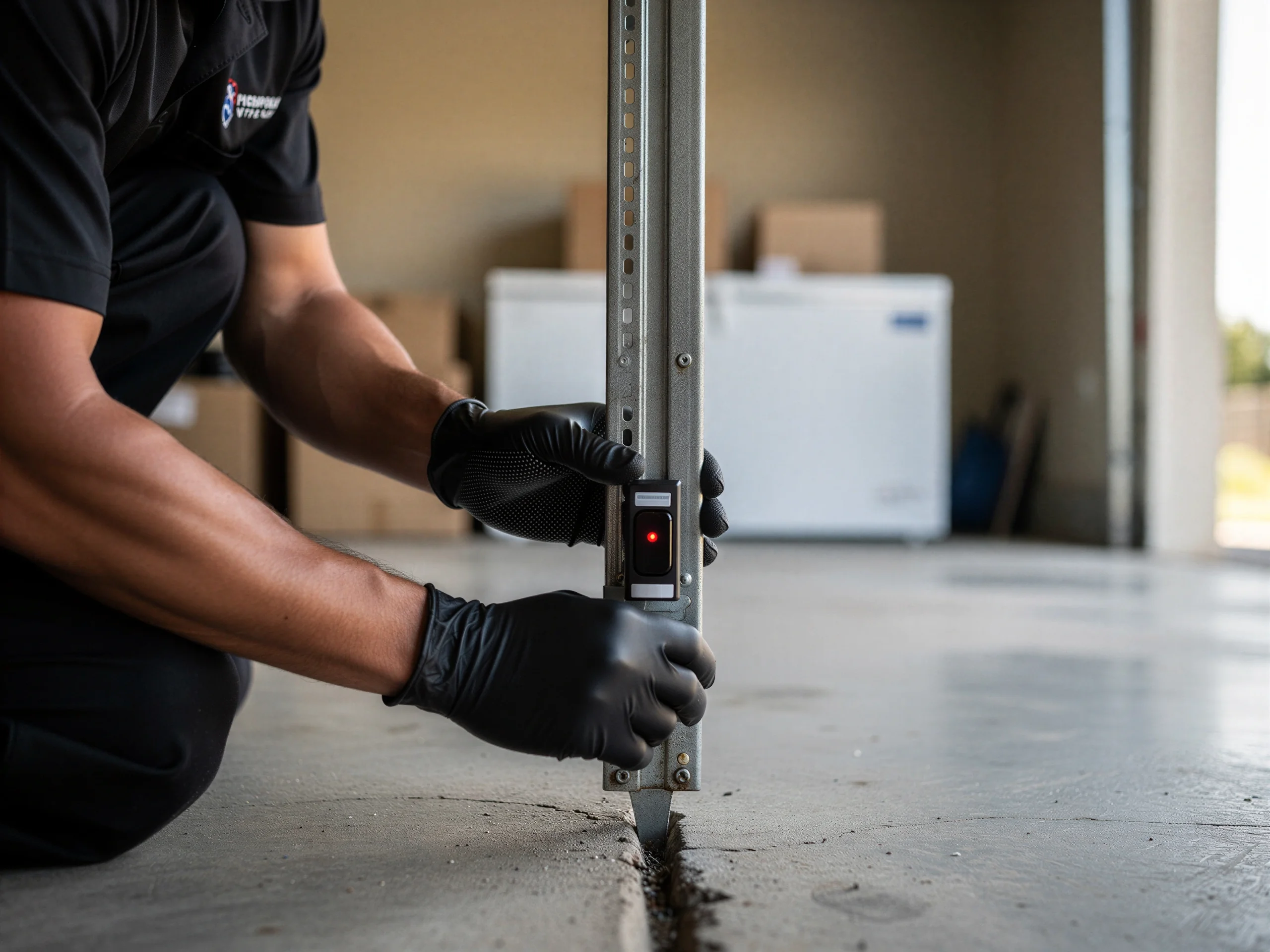
Garage Door Opener Repair for Rolling Meadows Homes
Opener grinding, stalling, or not responding to the remote? Learn more →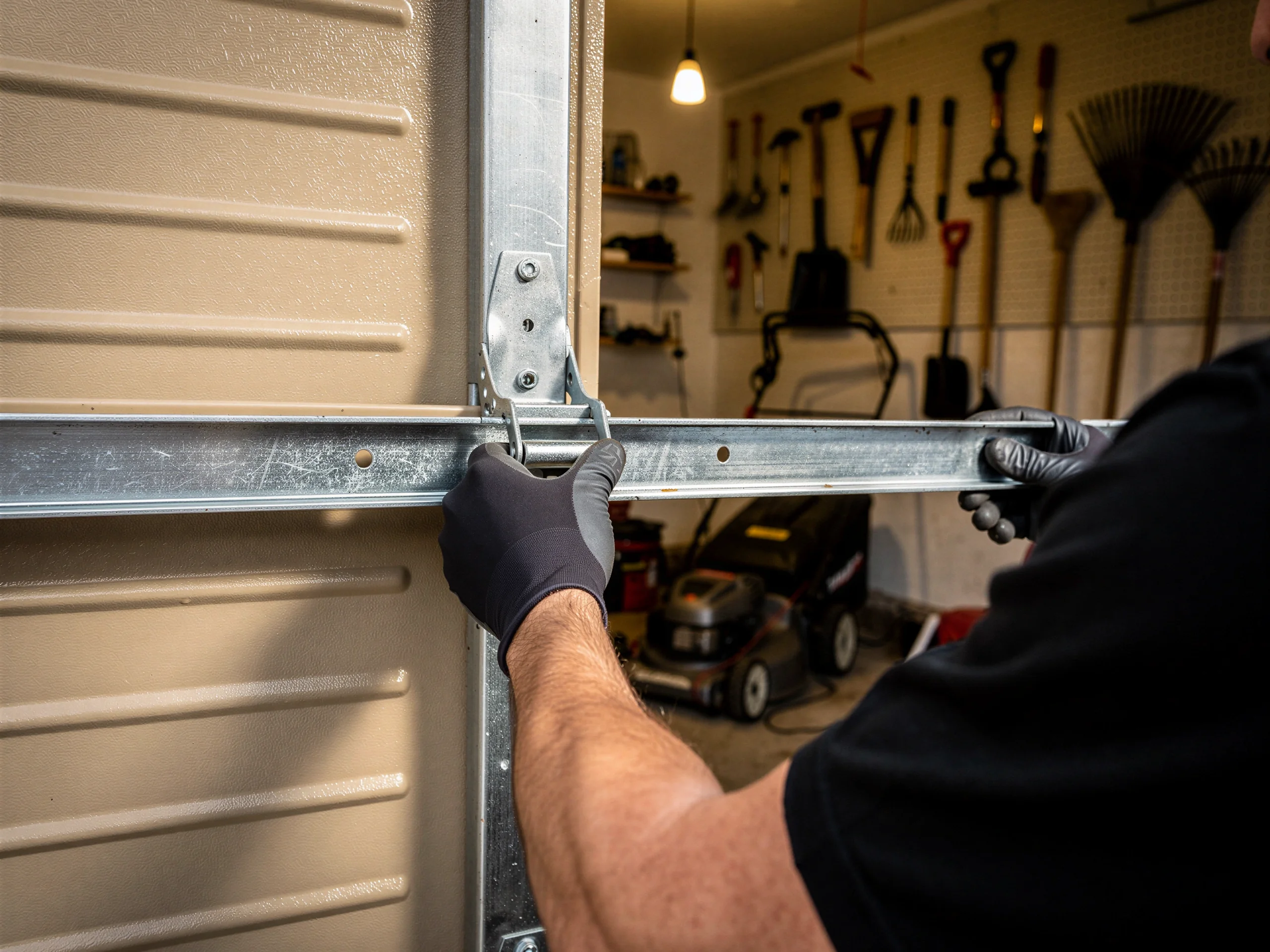
Garage Door Repair for Rolling Meadows Homes
Torsion springs, off-track doors, and cold-snapped cables on Rolling Meadows's 1960s-70s housing stock. Learn more →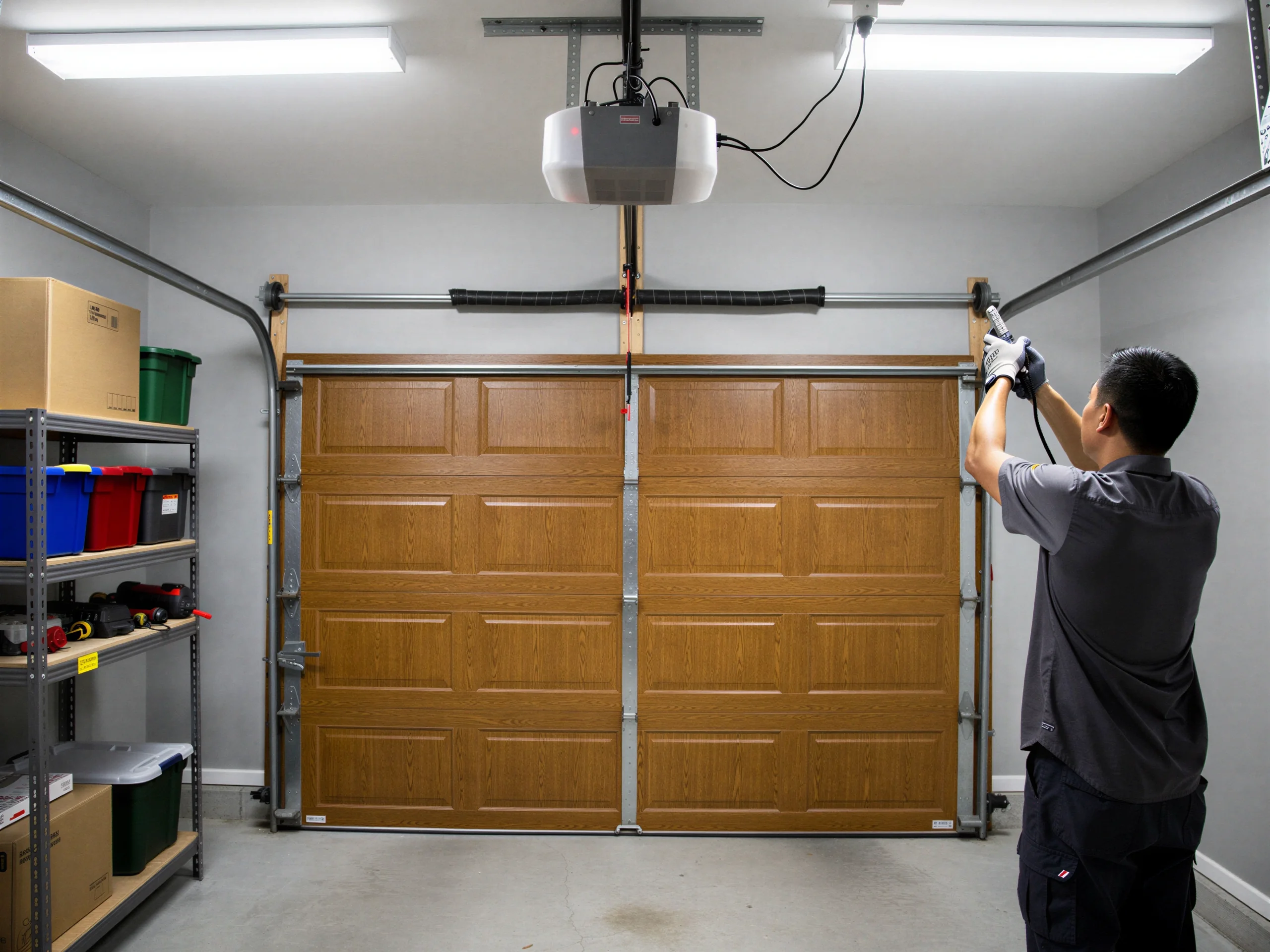
Garage Door Opener Installation Around Rolling Meadows
Opener installs for Rolling Meadows homes built mostly in the 1960s and 70s, sized for cold-climate doors and older framing. Learn more →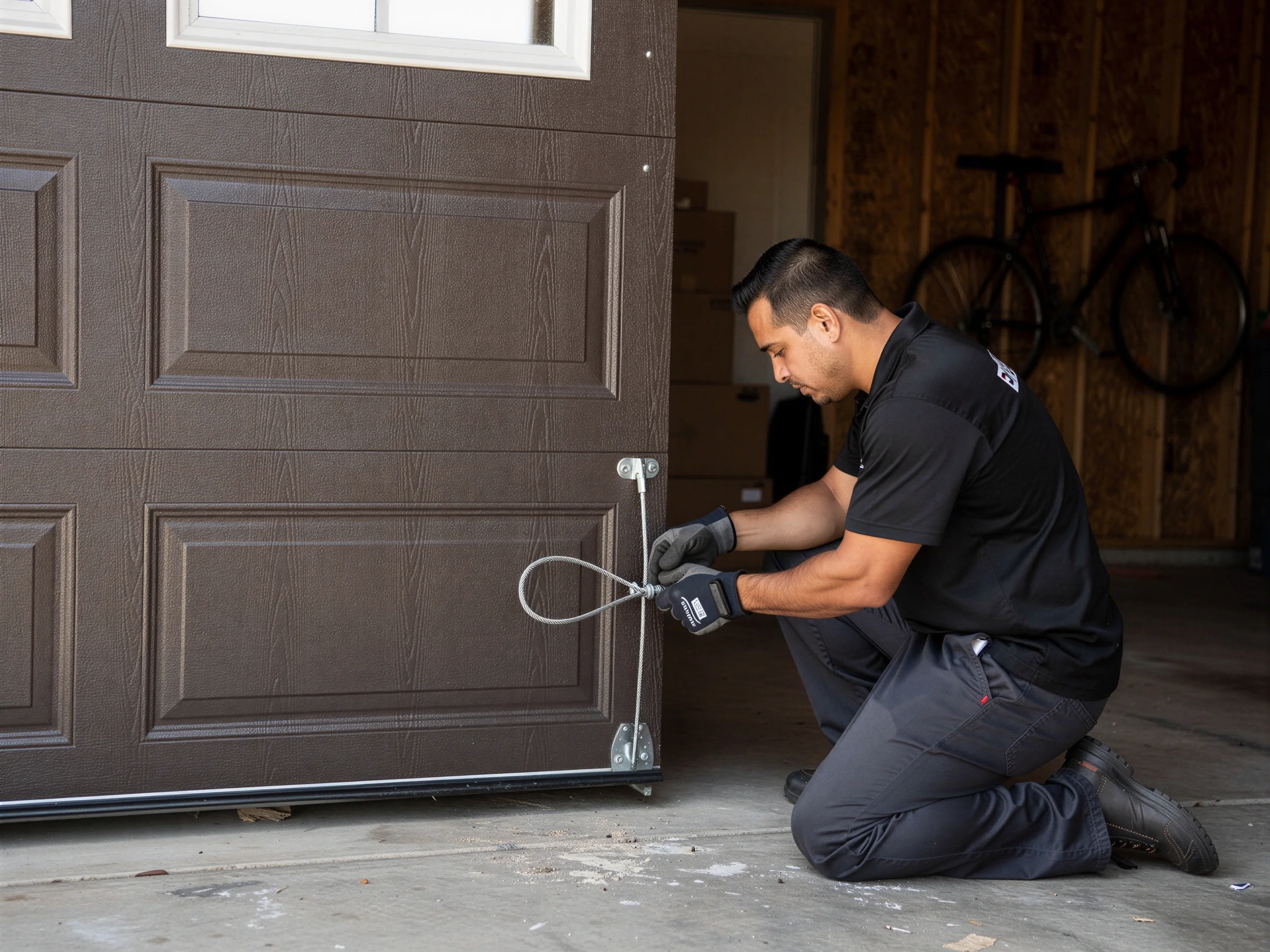
Garage Door Cable Repair for Rolling Meadows Homes
Broken or frayed garage door cables are common on Rolling Meadows's 1960s-70s housing stock after a cold winter. Learn more →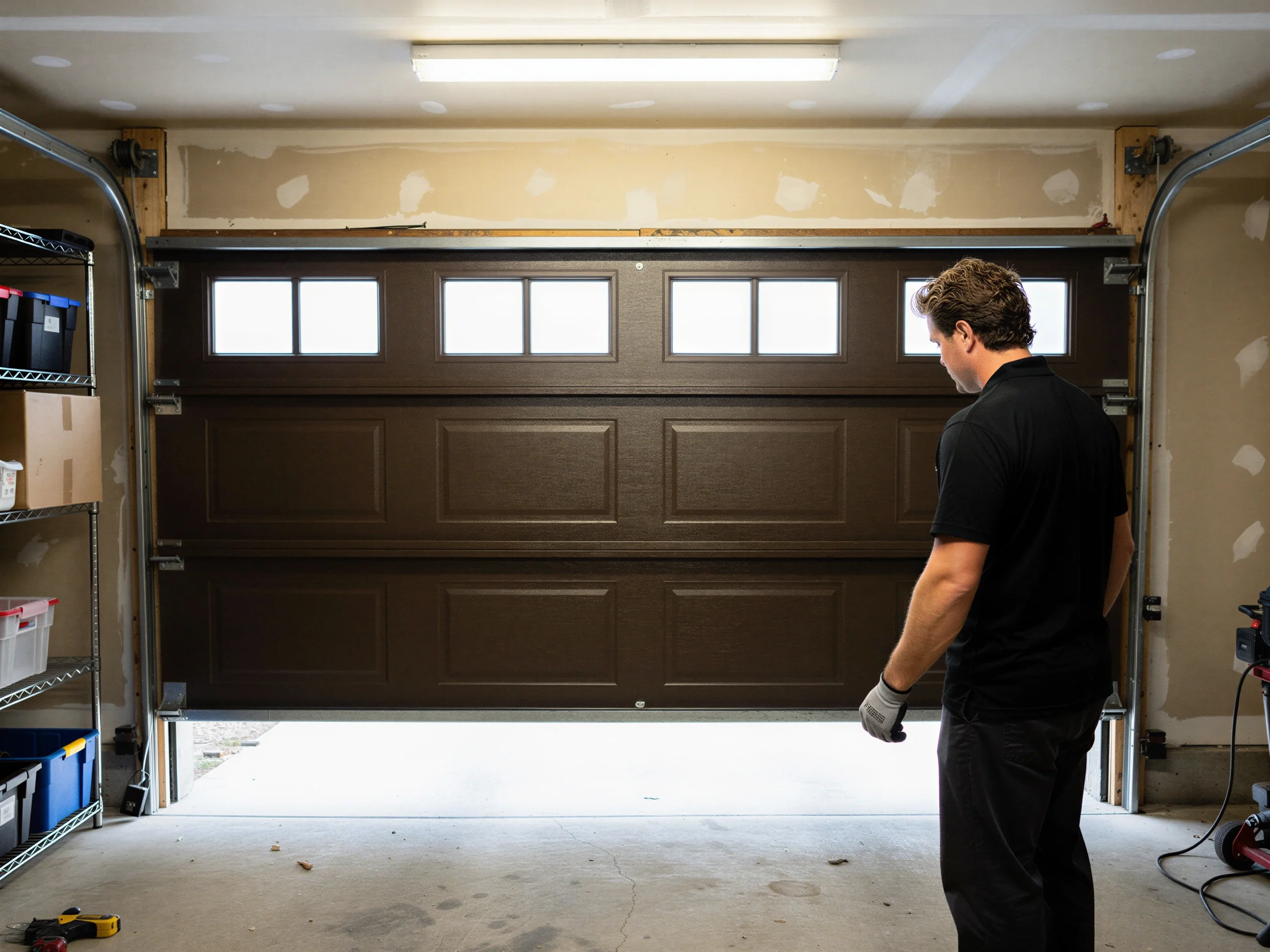
Garage Door Service for Rolling Meadows's 1960s and 70s Housing Stock
Rolling Meadows homes mostly date to the 1960s and 70s, and severe cold winters wear out springs and seals fast. Learn more →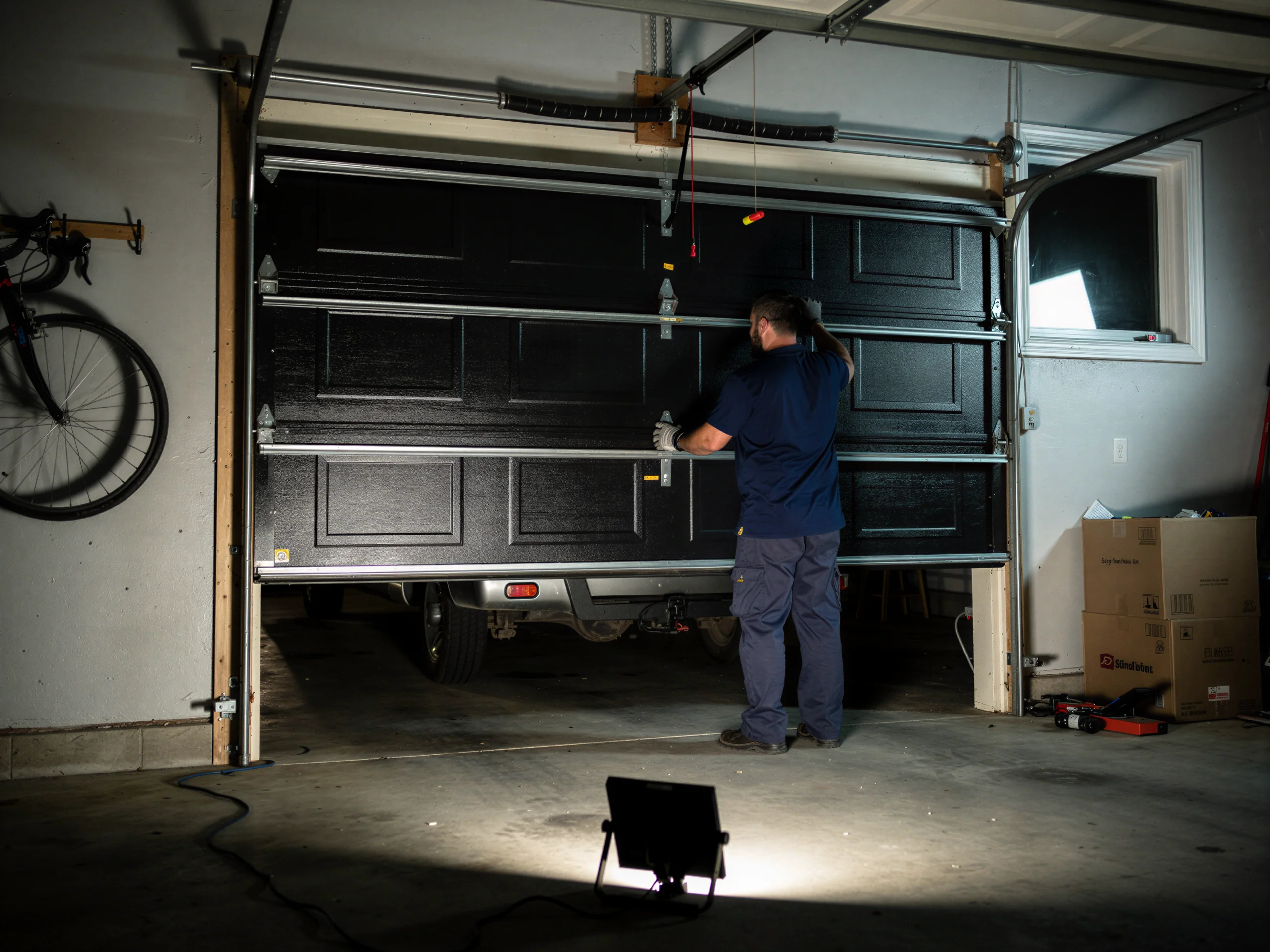
Emergency Garage Door Repair for Rolling Meadows Homes
Broken spring or dead opener on a cold night in Rolling Meadows? Learn more →Ready when you are
Ready for a new garage door in Rolling Meadows?
Rolling Meadows Garage Door Pros repairs and installs garage doors, springs and openers in Rolling Meadows, IL and the surrounding area.