Rolling Meadows Garage Doors: What We Check First and Why
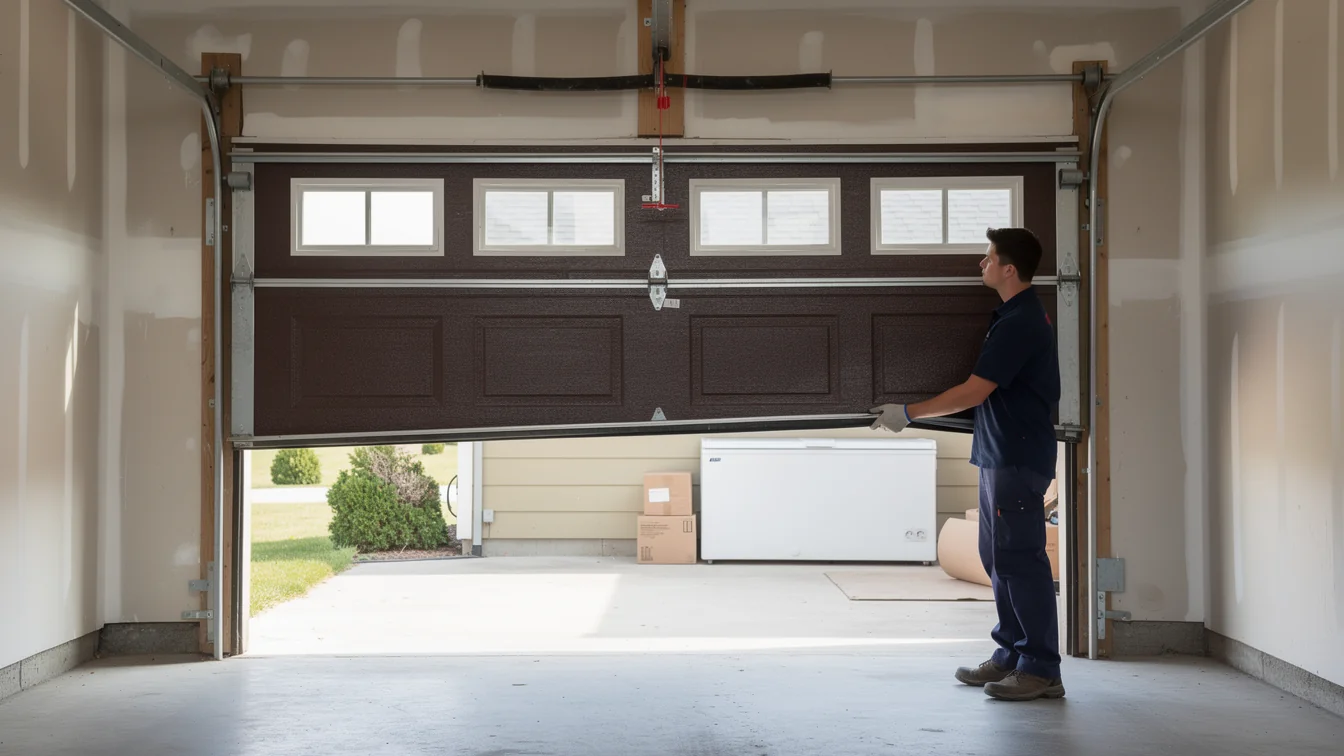
A technician's walkthrough of what gets inspected first on a Rolling Meadows garage door call, tied to this area's 1960s-70s housing stock and cold, severe winters.
Read moreA straight look at what's included when a tech comes out in Rolling Meadows, IL, tied to the area's 1960s-70s housing stock and cold-severe winters.
Local detail
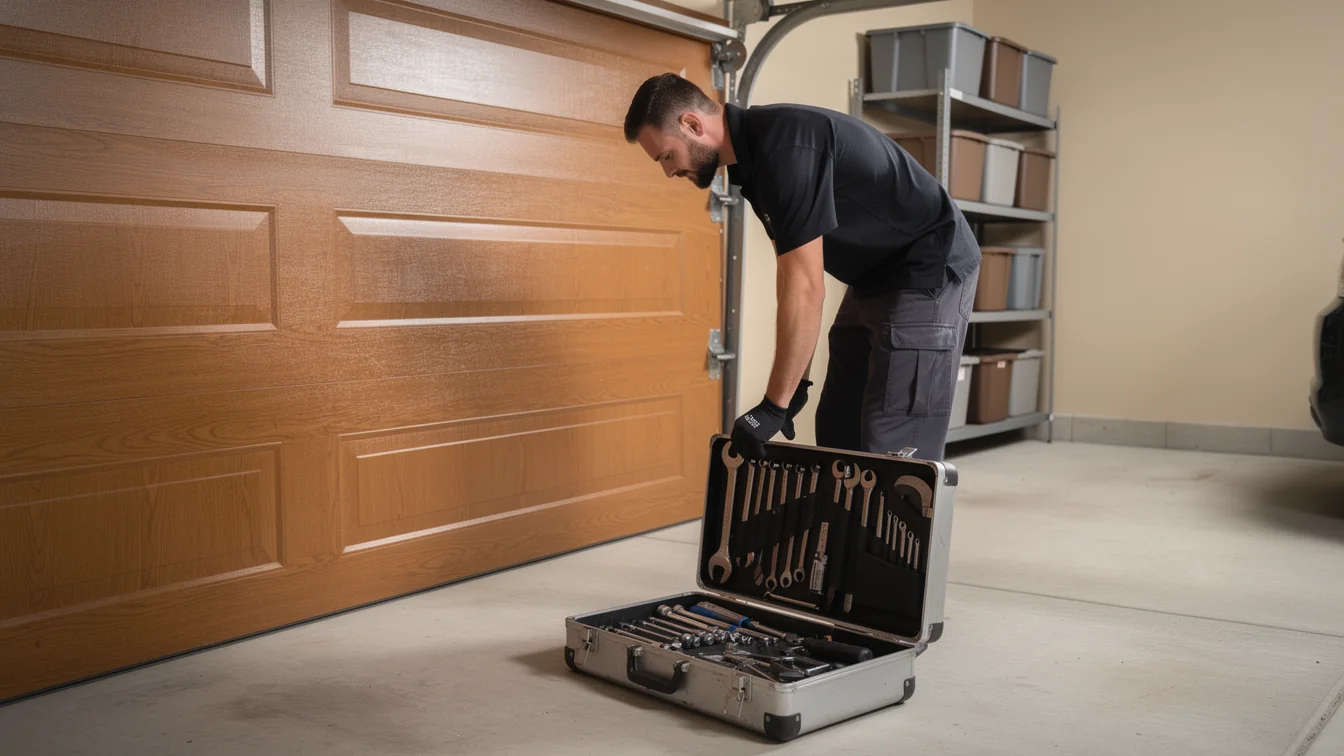
We don't have a flat number to quote here, because what a call costs depends on what's actually wrong with the door in front of us, and we're not going to make one up. What we can tell you is what's included: a diagnostic look at the springs, track, cables, rollers, and opener, plus the labor to fix whatever's failing. Most houses in Rolling Meadows went up during the 1960s and 70s building boom, and that era of construction means a lot of original hardware still sitting in these garages - torsion springs, extension springs, and openers that are older than the owners calling us. Parts for that older hardware aren't always sitting on the truck, and if a part needs ordering, that adds a day or two, not because we're dragging our feet but because nobody stocks 1970s torsion drums the way they stock current ones. That's the honest limitation: we can diagnose same-day almost always, but a repair on original-era hardware sometimes means a second trip. If your door is newer, the call is usually simpler and faster, because the parts are the parts everybody carries.
The area
Most garage doors in Rolling Meadows went up during the 1960s and 70s building boom that put a torsion spring over nearly every single-car and two-car bay in town. With a median build year of 1978, a lot of the openers and track still in these garages predate the chain-drive units made after 2000. That's not a knock on the houses - it's just what the stock is. Across the wider service area there are roughly 295,477 households and about 155,702 owner-occupied houses, and a good chunk of them are living with hardware that was installed once and never swapped, because a torsion spring that's adjusted right can run for decades before it fatigues out. With a median household income of $113,125 across the service area, most owners here call for a full spring replacement rather than patch a 40-year-old cable, and that's usually the right call on hardware this old - patching extends the inevitable by a season, not a decade. A call that starts in Rolling Meadows and runs out to Itasca, seven miles west, covers the same 1960s-70s torsion hardware the whole way, because the building boom that shaped this town shaped its neighbors too.
What we find
Rolling Meadows sits in a cold-severe climate band, meaning steel torsion springs here cycle through more freeze-thaw stress each winter than springs in milder parts of the state. Cold steel is stiffer and more brittle than warm steel, so a spring that's already near the end of its cycle count is more likely to snap on a sub-zero morning than in July. The same goes for the tracks and rollers: cold tightens tolerances, so a roller that rattled a little in August can bind or jump the track once temperatures drop hard. On a slab that's seen decades of freeze-thaw, minor heave can throw the track out of plumb by a fraction of an inch - enough to make a door bind at the bottom corners. None of this is dramatic, but it's cumulative, and it's why winter is when we see the most spring failures and the most opener strain, not because anything's broken overnight but because the cold finds whatever was already weak.
How we work
The call we get most is "the opener's dead," when the opener is fine and the spring is what actually failed. On hardware from the 1960s-70s era, a torsion spring loses tension gradually, so the opener motor starts working harder to lift a door it used to lift easily - straining gears, burning out the motor, stripping the drive gear - until the motor finally gives out from doing a spring's job. Replace the opener alone and the new one fails the same way within a year, because the spring that caused the problem is still dead. The fix is to check spring tension first, especially on a door that's original to a house built before 2000. It costs nothing extra to look, and it's the difference between a job that lasts and a repeat call six months later.
Questions
We don't have a published emergency rate to quote here. What matters more is which part failed - a snapped spring on an older torsion system from the 1960s-70s stock common in this area usually means the door won't open at all, and that's the most common reason for a same-day call.
Most of the time it's not the opener's fault. On houses with original 1960s-70s hardware, the torsion spring often loses tension first, so the opener motor compensates by working harder every cycle until it fails. Replacing the motor without checking the spring usually means a repeat failure.
Yes. Rolling Meadows sits in a cold-severe climate band, and steel springs and tracks get stiffer and more brittle in hard cold. That's part of why winter sees more spring snaps and track binding than summer - the parts were already near the end of their life, and the cold is what finishes them.
Recommendation
More garage door guides for Rolling Meadows homeowners.
A technician's walkthrough of what gets inspected first on a Rolling Meadows garage door call, tied to this area's 1960s-70s housing stock and cold, severe winters.
Read more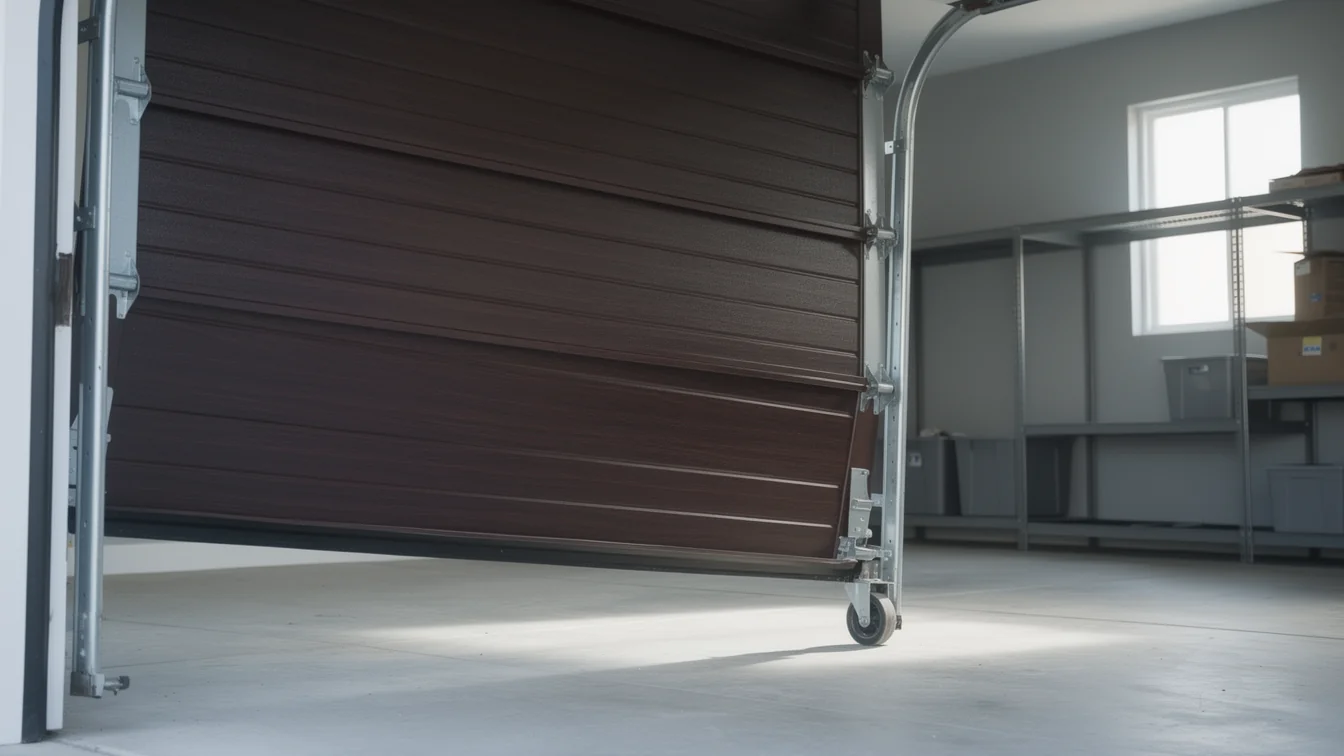
A look at why older Rolling Meadows garage doors slip their tracks, tied to this area's 1960s-70s housing stock, cold winters, and what actually fixes it.
Read more
A look at how Rolling Meadows' 1960s-70s housing stock and cold-climate power outages affect garage door openers, and what actually goes wrong when the power drops.
Read moreReady when you are
Rolling Meadows Garage Door Pros repairs and installs garage doors, springs and openers in Rolling Meadows, IL and the surrounding area.