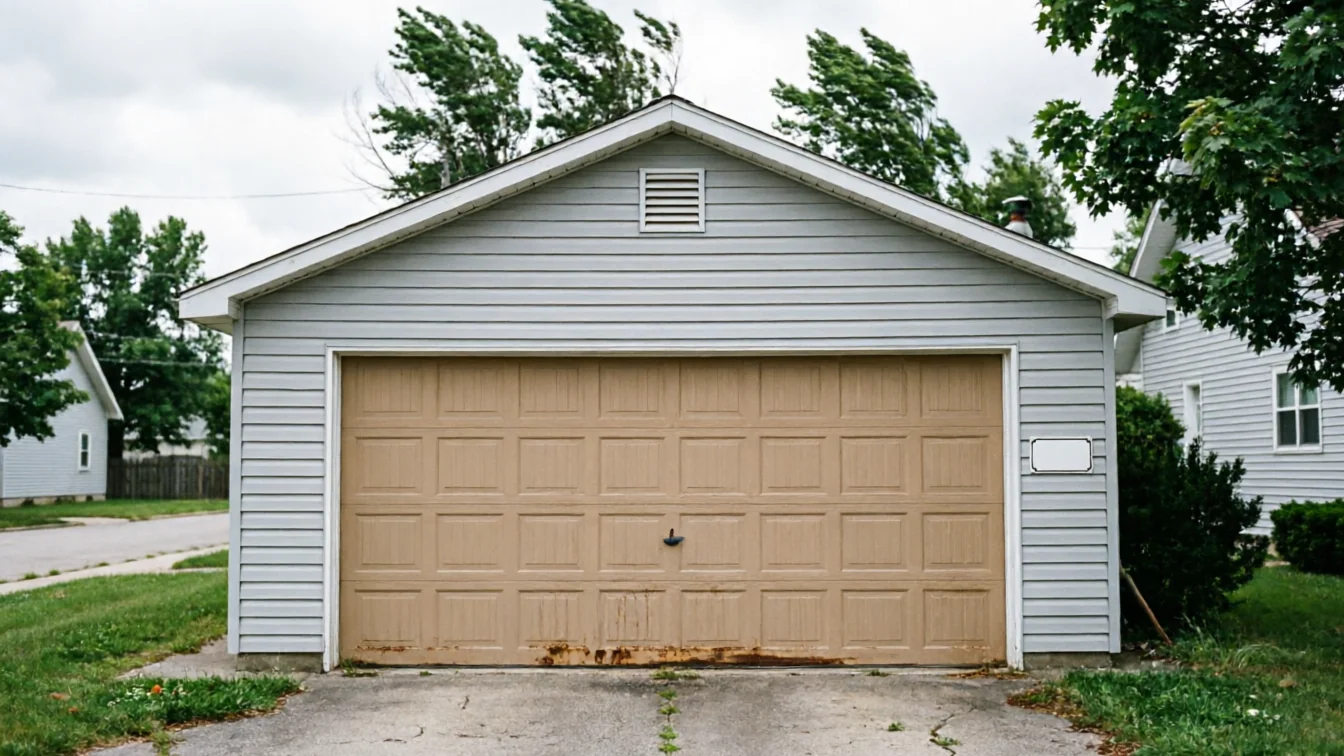
What Wind Does to a Wide Garage Door in Rolling Meadows
Rolling Meadows homes built in the 1960s-70s often carry wide double doors without bracing for cold-climate wind.
Read moreRolling Meadows homes built before 1978 often have garage doors with no insulation. See what the cold does to them and what it actually takes to fix it right.
Local detail
We won't quote you a number here, because what you pay depends on what's actually on the house, and in Rolling Meadows that varies more than people expect. A single steel panel door from the 1970s with no insulation layer is a different job than a newer door with a broken spring. What we can tell you is that the median household income in this service area sits at $113,125, which is enough that most owners we talk to choose a repair or replacement that holds up for years rather than the cheapest option on the shelf. If your door still has the thin, hollow steel skin common on houses from that era, a straight repair sometimes isn't worth it once you add up a new section, weatherstripping, and labor against a full replacement. We'll tell you which side of that line your door falls on before we start, not after.
The area
Housing in this service area was built mostly between 1938 and 2009, with the median landing around 1978 and the bulk of it going up through the 1960s and 70s across the 77 named communities we work in. That matters for garage doors specifically because insulation requirements for residential garage doors weren't standard practice when most of these houses were framed. What you've got on a lot of Rolling Meadows garages is a door built for a garage that was never meant to be climate-controlled space - a single layer of steel or an old wood panel door with no foam core behind it. It did the job it was built for. It wasn't built for people parking a car, storing paint, or running a freezer in that space, which is how a lot of these garages get used now. The door itself usually isn't broken. It's just original equipment doing a job nobody designed it for.
What we find
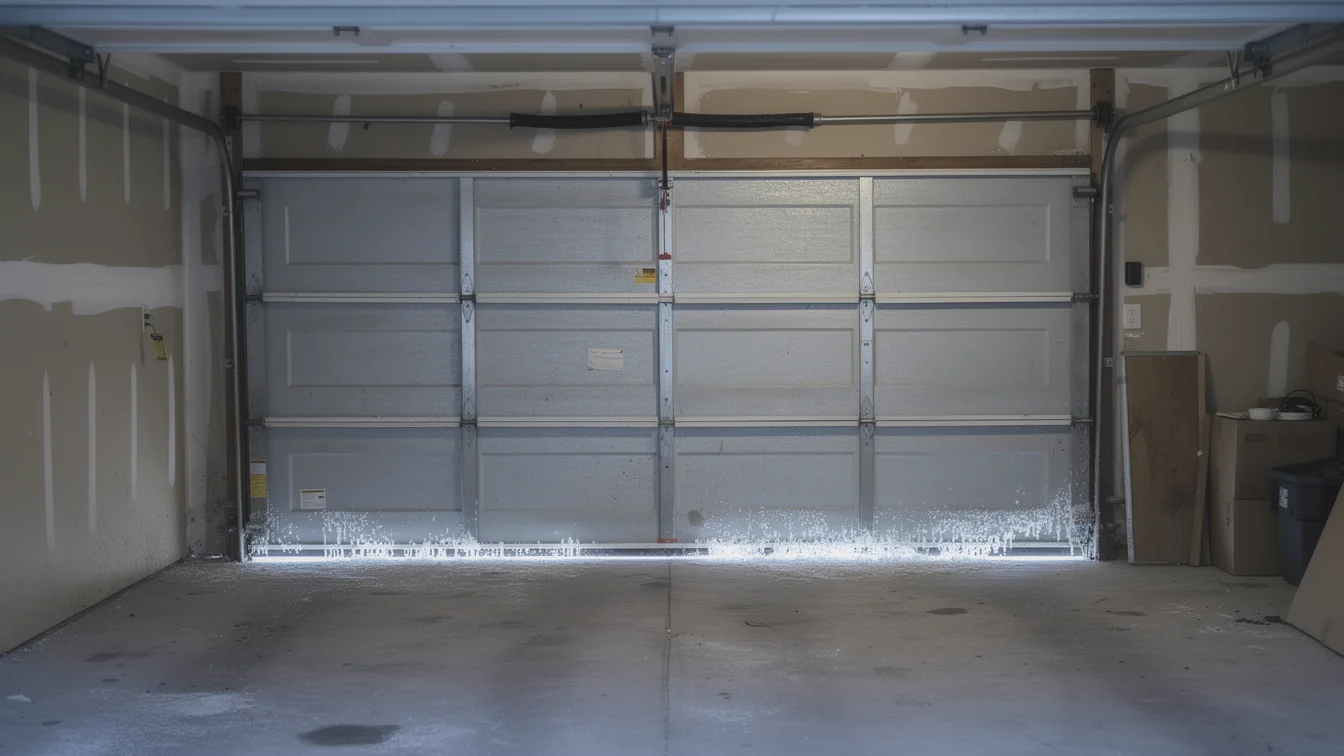
This area sits in a cold, severe winter climate band, and an uninsulated steel door doesn't just let heat out - it moves with the temperature swing in ways insulated doors don't. Steel contracts in deep cold, which is part of why doors on older houses start binding in the track or rattling in their frame once the thermometer drops and stays there. On a hollow-core door with no insulation, that cold also transfers straight through the panel into the garage, which is a real problem if the space shares a wall with living area, as a lot of houses from the 1960s and 70s do. The track hardware ages the same way - roller bearings that were fine in July seize up or squeal in January. We see more spring failures and opener strain in the cold months here than any other time, and a chunk of those calls trace back to a door that was never built to handle this climate in the first place.
How we work
The mistake we see most in Rolling Meadows is treating an old, uninsulated door as a cosmetic problem - repainting it, replacing a dented panel, tightening the track - instead of looking at what's actually failing underneath. A door built before insulation rules existed wasn't engineered with the vapor barrier, foam core, or thermal break that today's doors have, so patching the surface doesn't change how it performs in a cold winter. The other mistake is assuming every old door needs full replacement. Plenty of these doors have sound frames and tracks; the spring and hardware can often be upgraded without tearing out a structurally fine door. We won't sell you a new door if the one you've got just needs a torsion spring swap and new weatherstripping. But if the panel itself has no insulation and the garage is finished or attached to living space, patching it is a short-term fix for a long-term heat loss problem.
Questions
Steel doors built before insulation standards contract in cold weather, which can tighten clearances in the track and cause binding or dragging that doesn't happen in warmer months. Roller bearings also stiffen up in severe cold. It's usually a hardware and lubrication issue, not a sign the door itself is failing, though repeated binding does wear the track faster over time.
Sometimes. If the panel and frame are structurally sound, an insulated retrofit kit can cut down on heat transfer without a full replacement. If the steel skin is thin, dented, or the door predates the common panel sizes still in production, replacement tends to make more sense. We'll look at the actual door before recommending either direction.
Cold steel is less forgiving under tension, and a spring already near the end of its cycle life is more likely to fail when temperatures drop and stay down, which happens often in this climate band. It's less about the cold causing the break and more about cold exposing a spring that was already close to done.
Recommendation
More garage door guides for Rolling Meadows homeowners.
Rolling Meadows homes built in the 1960s-70s often carry wide double doors without bracing for cold-climate wind.
Read more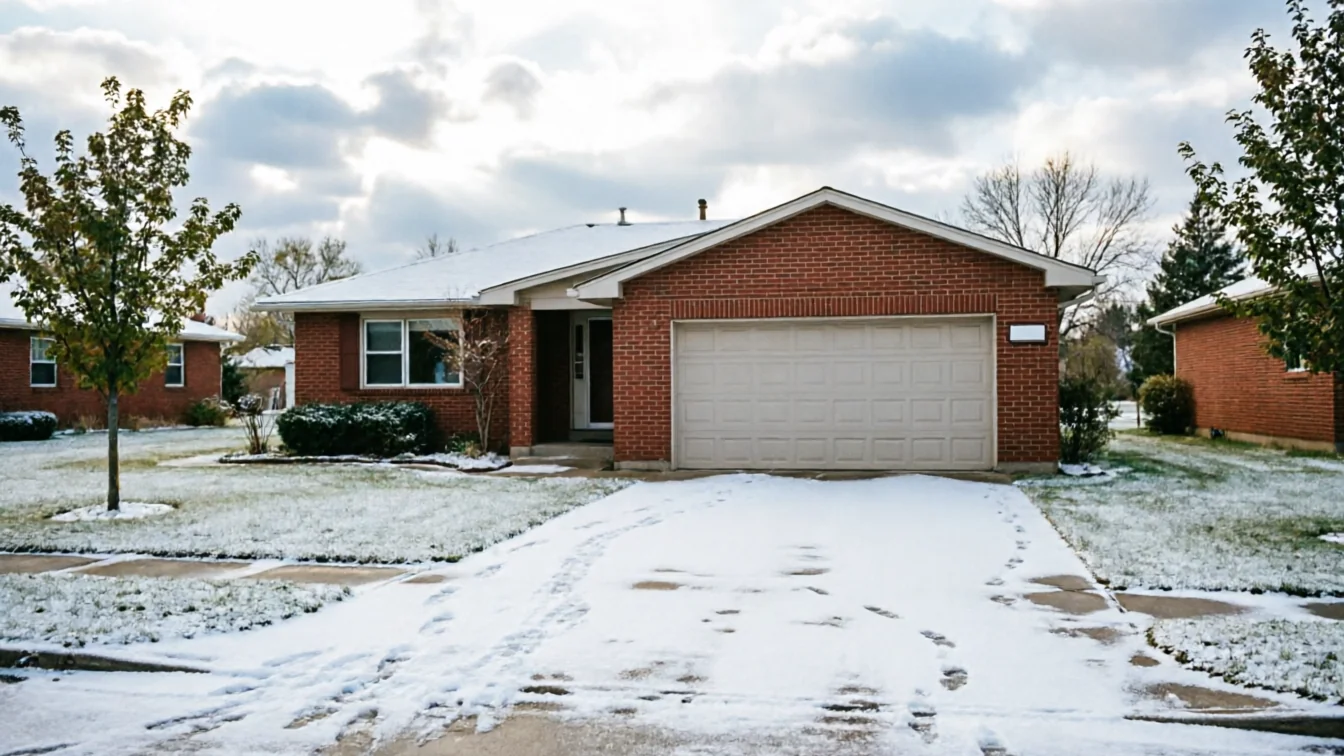
Rolling Meadows homes built mostly in the 1960s and 70s face cold-weather spring failures.
Read more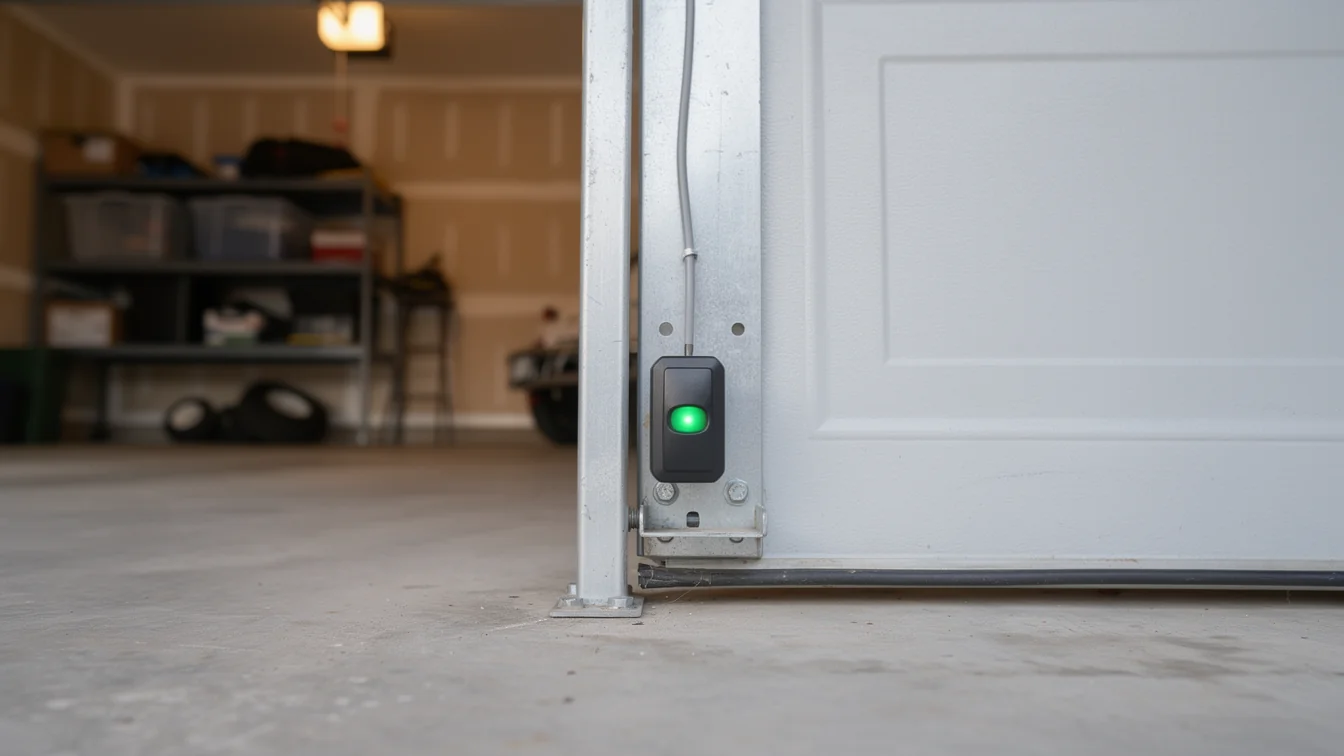
Rolling Meadows Garage Door Pros explains why safety sensors on homes built 1938-2009 in this cold-severe climate drift out of alignment, and what actually fixes it.
Read moreReady when you are
Rolling Meadows Garage Door Pros repairs and installs garage doors, springs and openers in Rolling Meadows, IL and the surrounding area.