
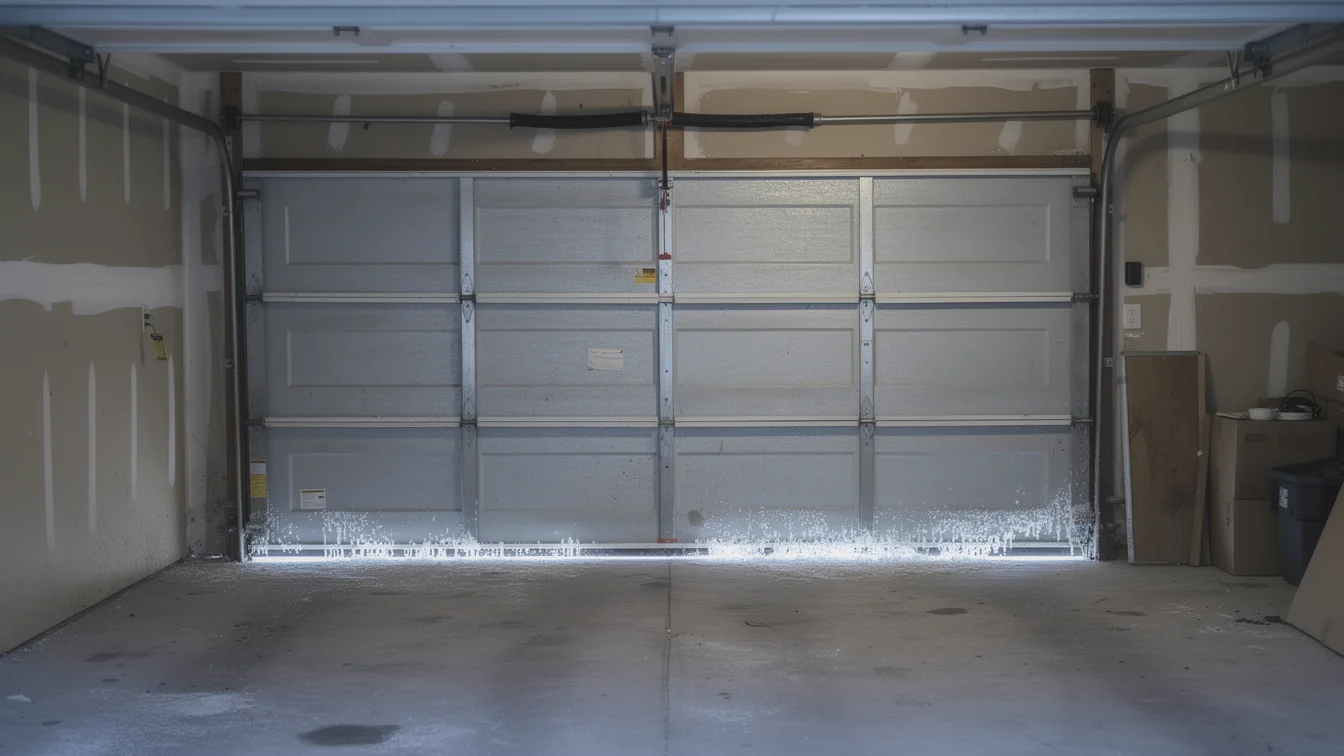
What Garage Doors Looked Like Before Insulation Rules in Rolling Meadows
Rolling Meadows homes built before 1978 often have garage doors with no insulation.
Read moreRolling Meadows Garage Door Pros explains why safety sensors on homes built 1938-2009 in this cold-severe climate drift out of alignment, and what actually fixes it.
Local detail
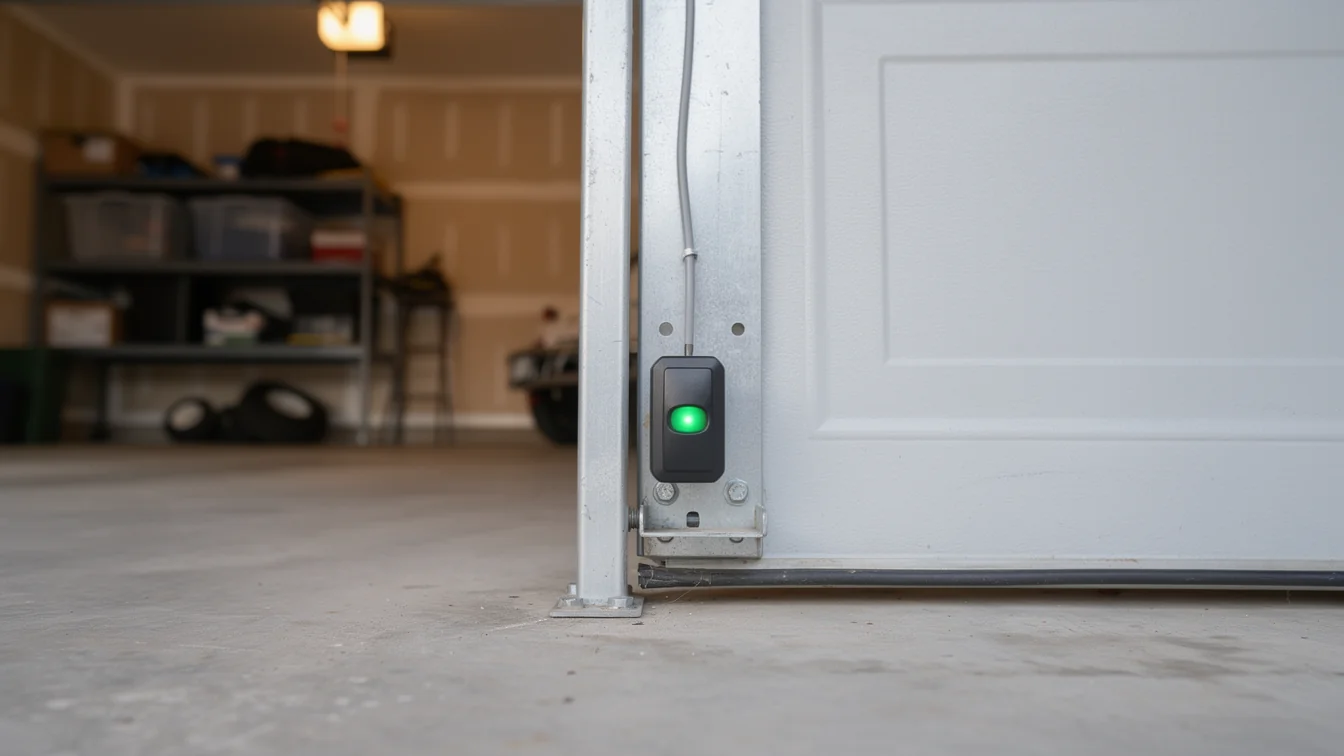
We don't post a flat price for sensor work because the fix depends on what's holding the sensor in place, and that varies more than people expect across Rolling Meadows. A house with the original bracket from a 1970s or 80s opener retrofit needs a different repair than one with a newer plastic eye clipped to a steel rail. Sometimes the sensor itself is fine and the bracket just needs re-seating and a fresh bead of sealant where it meets the slab. Sometimes the wire has corroded at the splice from years of garage humidity and temperature swings, and that's a different job entirely. We'll tell you on site, not over the phone, because guessing at a number before we've seen the mounting is how a homeowner ends up paying for the wrong fix twice. If your door reverses before it closes or the opener light blinks a fault code, that's almost always a sensor or alignment issue, not a motor problem, and it's usually the cheaper half of what could be wrong with the door.
The area
Rolling Meadows housing runs from 1938 up through 2009, but the median build year is 1978, and the heaviest concentration sits in that 1960s-70s wave that also shaped 77 other named areas in this part of the region. That matters for sensors because the mounting hardware has gone through at least two generations of change since most of these garages were framed. A door from that era was often retrofitted with an opener years after the house was built, which means the sensor brackets got bolted to whatever stud or track happened to be there, not engineered in from the start. We see brackets screwed into furring strips, brackets zip-tied to conduit, brackets that were clearly installed by whoever did the original opener swap decades ago and never touched since. None of that is a judgment on the house. It's just what happens when a safety feature gets added as an afterthought to a structure that predates it by twenty or thirty years. The result is a sensor pair that was never quite square to begin with, and that's before weather gets involved.
What we find
Rolling Meadows sits in a cold-severe climate band, and that's the part most sensor troubleshooting online ignores. Ground frost doesn't just make the slab cold, it heaves it, a fraction of an inch at a time, unevenly, depending on how the soil under your particular garage drains. A sensor eye mounted six inches off the slab on one side and bolted to a wood jamb on the other will walk out of alignment as the two surfaces move independently through a freeze-thaw winter. You don't see it happen. You just notice one January morning that the door won't close, or it closes and immediately reverses, and there's no visible reason why. The bracket looks straight. The wire looks fine. But the eye has drifted a degree or two off its pair, and in a garage this cold, condensation on the lens doesn't help either. We get more sensor calls here between December and March than any other stretch, and it's not coincidence. It's frost heave and thermal flex doing exactly what cold-severe winters do to anything bolted to concrete.
How we work
The mistake we see most in Rolling Meadows is replacing the sensor unit when the sensor was never the problem. Someone's door is acting up, they pull the eye off, buy a new one that looks close enough, and bolt it to the same bent or frost-shifted bracket. The new sensor fails the same way inside a season because the bracket is still out of square to its slab. If your house falls into that 1960s-70s wave of construction, check the bracket before you touch the sensor. Loosen it, let it find its own level against the jamb, and only then worry about whether the eye itself still lights up. We won't talk you into a full sensor and bracket replacement if a five-minute realignment solves it; that's not a repair worth billing for. Where we do recommend replacement is when the wire itself has corroded inside the insulation, which you can't see from outside and which no amount of re-aligning will fix. That's a judgment call we make in person, not one we'll make for you sight unseen.
Questions
In a cold-severe climate like Rolling Meadows', the ground under and around your slab heaves with frost, moving the concrete unevenly relative to the wood or steel your sensor bracket is mounted to. That slow shift walks the two sensor eyes out of alignment with each other, which is why the fault shows up seasonally rather than all year.
Usually the bracket. Houses from Rolling Meadows' 1960s-70s building wave often have sensor brackets added years after construction, mounted to whatever stud or furring strip was convenient at the time. Loosen the bracket and let it re-seat before you replace the sensor itself.
We work the Rolling Meadows area and nearby towns including Inverness, Prospect Heights, Itasca, and Roselle, which share a lot of the same 1960s-70s housing stock and the same cold-severe winter pattern that drives sensor drift.
Recommendation
More garage door guides for Rolling Meadows homeowners.
Rolling Meadows homes built before 1978 often have garage doors with no insulation.
Read more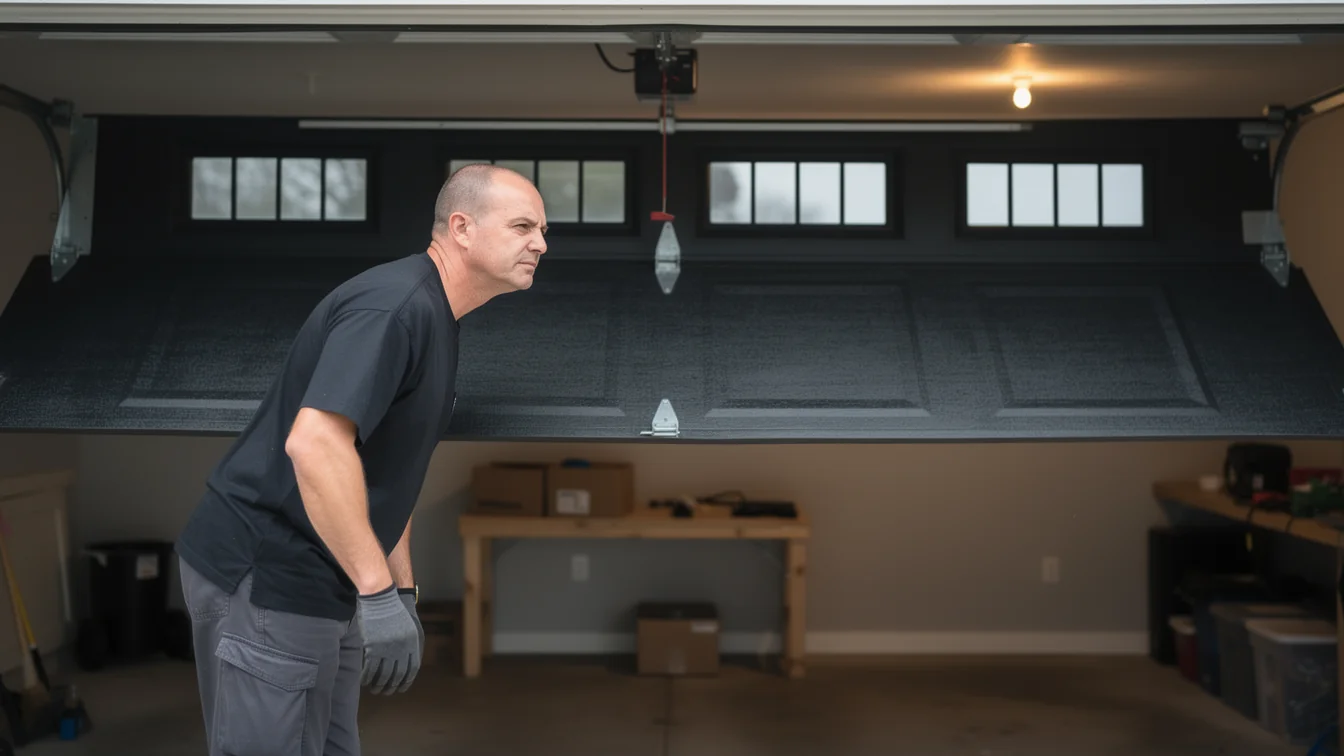
Rolling Meadows homes built mostly in the 1960s-70s and severe cold winters create specific door noises.
Read more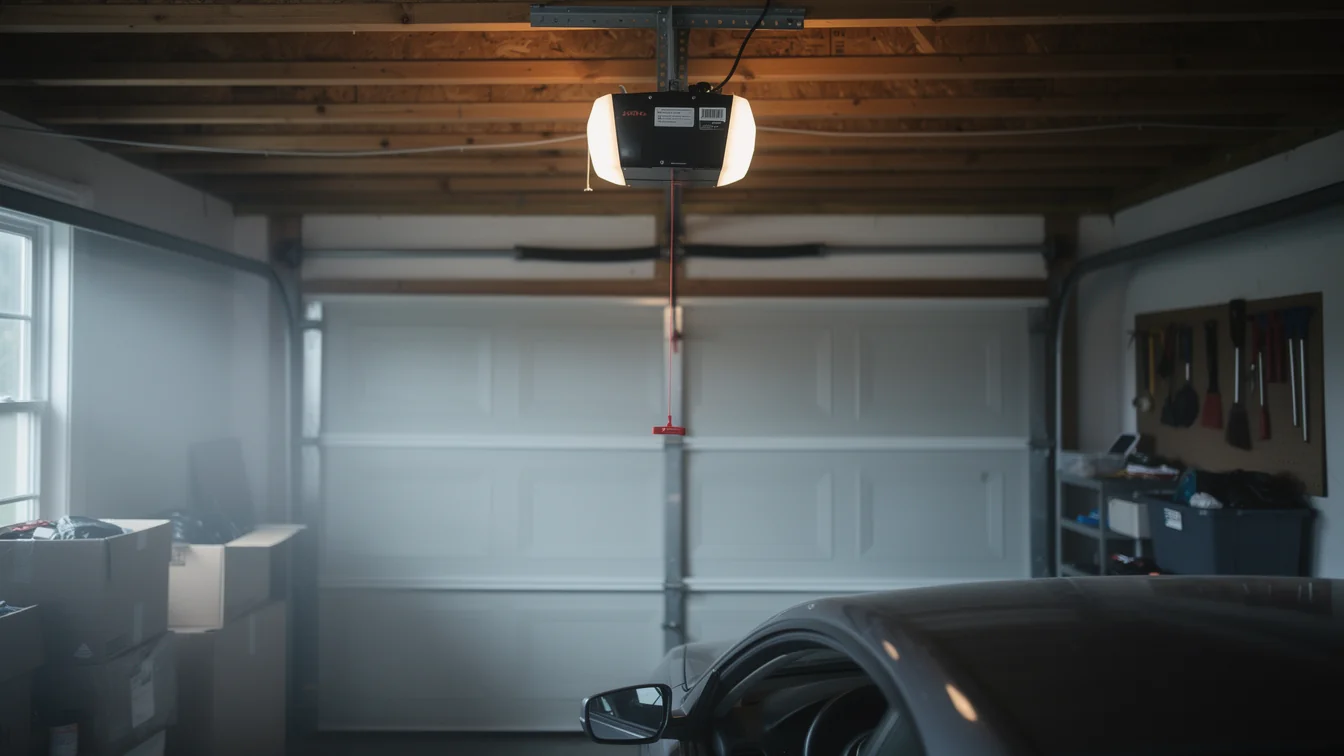
A look at how Rolling Meadows' 1960s-70s housing stock and cold-climate power outages affect garage door openers, and what actually goes wrong when the power drops.
Read moreReady when you are
Rolling Meadows Garage Door Pros repairs and installs garage doors, springs and openers in Rolling Meadows, IL and the surrounding area.