What Garage Doors Looked Like Before Insulation Rules in Rolling Meadows
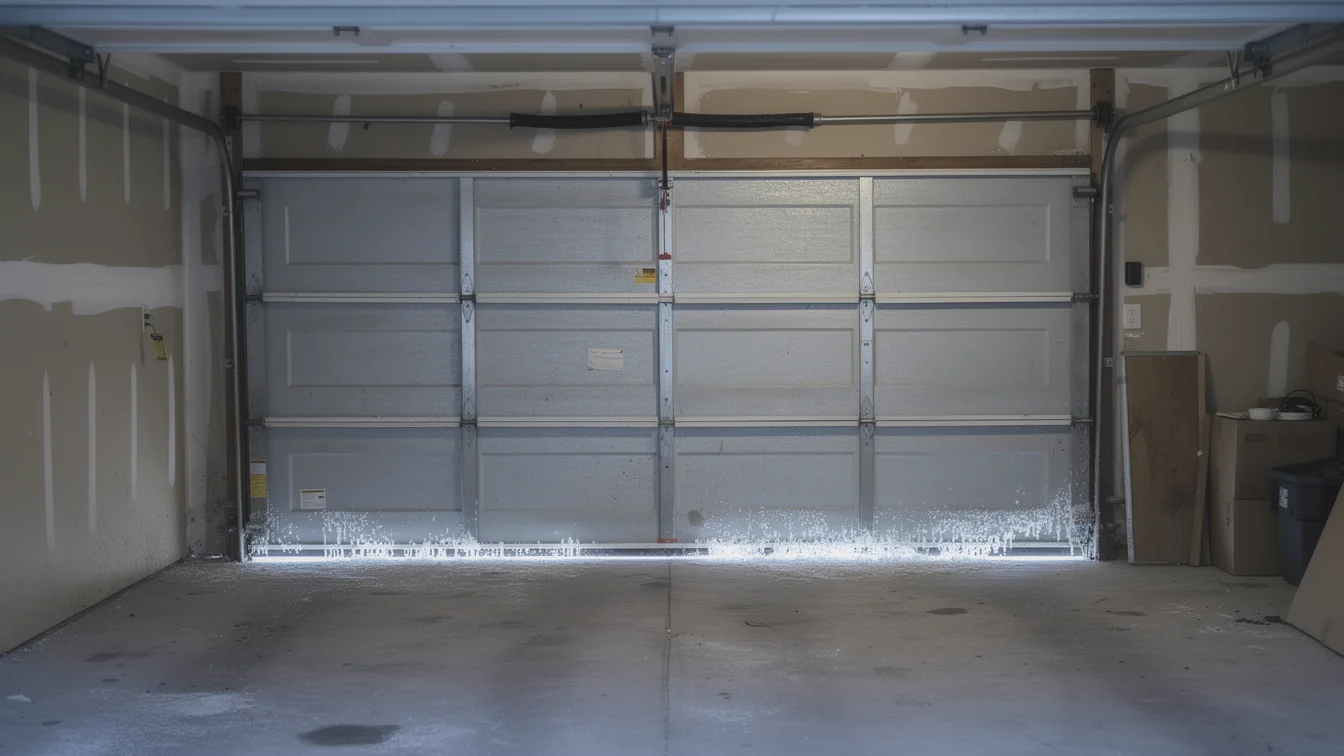
Rolling Meadows homes built before 1978 often have garage doors with no insulation.
Read moreRolling Meadows homes built mostly in the 1960s and 70s face cold-weather spring failures. See what drives repair costs and what to watch for before you call.
Local detail
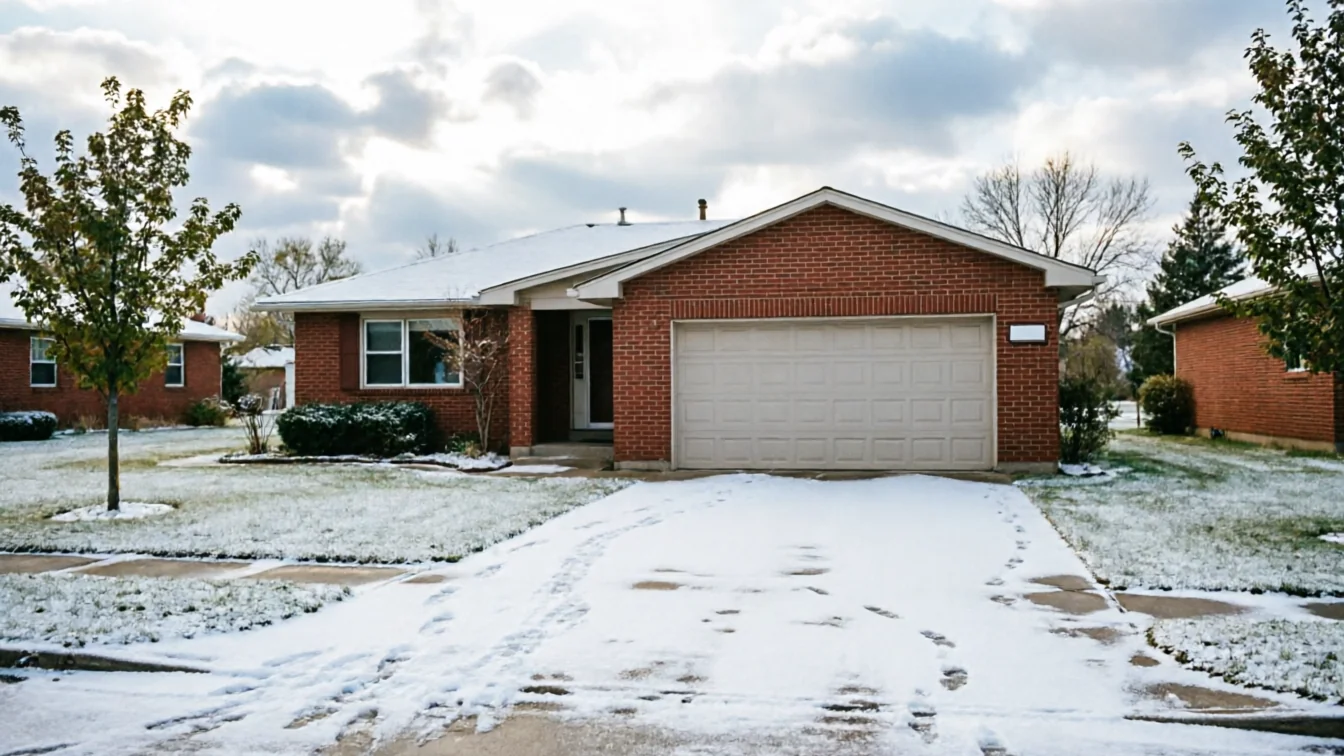
There's no single number we can hand you here, because the job depends on what's actually on your house. Housing in this part of the county went up mostly in the 1960s and 70s, with the broader build window running from 1938 to 2009 and a median year of 1978. That spread matters: a torsion spring sized for a door installed in 1968 is not the same part a big-box store stocks today, and matching it right is most of the labor on an older job.
If your opener and door are both original to a house from that mid-century wave, you're often looking at a bigger job than a house built in the 2000s with newer hardware - more rust on the shafts, worn bearing plates, cables that have stretched past spec. We price by what we find on the track, not by a phone quote, because guessing on a 50-year-old spring size and getting it wrong means a second trip.
One honest limitation: we don't carry every obsolete torsion spring wind and length on the truck. If your door is one of the less common sizes from that older stock, there can be a short wait on the exact part rather than a same-day swap.
The area
Rolling Meadows sits among roughly 77 named residential areas in this part of the county, with about 295,477 households total and 155,702 of those owner-occupied houses - the kind with an attached garage and a door that's somebody's problem to maintain, not a landlord's. Median household income here runs around $113,125, which tracks with what we see on service calls: owners who'd rather fix a spring or a bent track properly than patch it twice.
That owner-occupied share is the reason original hardware survives as long as it does here. Nobody's flipping these houses fast enough to swap out a working door just because it's old - they wait until something actually breaks, which in a house from the 1960s or 70s usually means the torsion spring, not the opener. The opener motors get replaced along the way; the spring and track hardware often doesn't, because it still works until the day it doesn't.
That's the pattern across this stretch, not a guess about any one house: older torsion hardware, still in service, under a door nobody's touched in decades.
What we find
This area sits in a cold, severe winter climate band, and that's not just a comfort issue for the garage - it's a metal-fatigue issue. Steel torsion springs lose a little flexibility every time the temperature drops hard, and a spring that's already near the end of its wind count is far more likely to let go on a sub-zero morning than in July. When a spring goes in cold weather, it usually goes loud and all at once, not with a slow warning.
Cold also thickens the grease on rollers and hinges, which means the opener motor works harder to pull a stiff door, which in turn stresses an aging drive gear. On a house with original 1960s or 70s hardware, that combination - a tired spring and a stiffened track - is exactly the setup that fails on the first real cold snap of the season, not in the mild months.
We see the pattern shift every winter: calls for broken torsion springs climb once the hard cold sets in, concentrated on the older housing stock where the hardware was never upgraded.
How we work
The most common mistake we see is someone mistaking a broken spring for a dead opener. The door won't lift, so they assume the motor failed and replace it - sometimes twice - before anyone looks at the spring itself. On a house with original hardware from the 1960s or 70s, the opener and the spring are both getting old at the same time, so it's an easy guess to get wrong.
The tell is usually the sound and the feel: if the opener hums or clicks but the door barely moves, or you can hear a bang from the garage before it won't open at all, that's spring, not motor. Pulling the emergency release and trying to lift the door by hand will tell you fast - a door with a broken spring is dramatically heavier than it should be, even for two people.
Replacing an opener that was never the problem doesn't fix anything, and it leaves the actual failed part - a spring under enough tension to be dangerous - exactly where it was. Check the spring first, especially once the cold sets in and this becomes the time of year it's most likely to fail.
Questions
Cold makes steel less forgiving. A torsion spring near the end of its life cycle loses flex as the temperature drops, so it's more likely to snap on a hard cold morning than during a mild stretch. This area's cold, severe winter band means that stress shows up every year, usually concentrated in the coldest weeks.
It can slow things down, not stop them. A lot of the housing stock here dates to the 1960s and 70s, and original torsion springs from that era aren't always a size we carry on the truck. We can usually match it, but an uncommon wind or length may mean a short wait on the part instead of a same-day fix.
If the motor runs - you hear it hum or click - but the door barely lifts or doesn't move, that's almost always the spring. Pull the emergency release and try lifting the door by hand; a door with a broken spring will feel far heavier than normal, even with two people on it.
Recommendation
More garage door guides for Rolling Meadows homeowners.
Rolling Meadows homes built before 1978 often have garage doors with no insulation.
Read more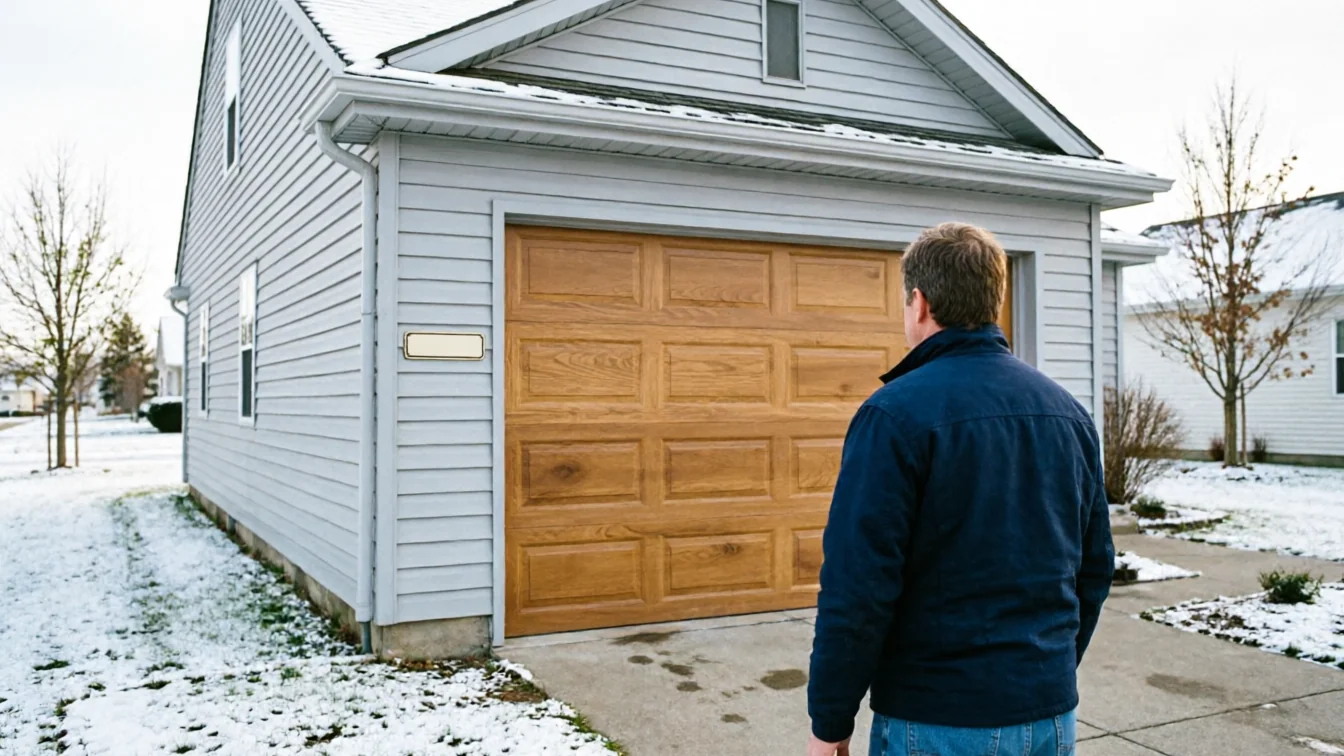
What garage door repair and replacement actually runs in Rolling Meadows, why the cold hits older doors hard here, and the mistake owners make with 1960s-70s hardware.
Read more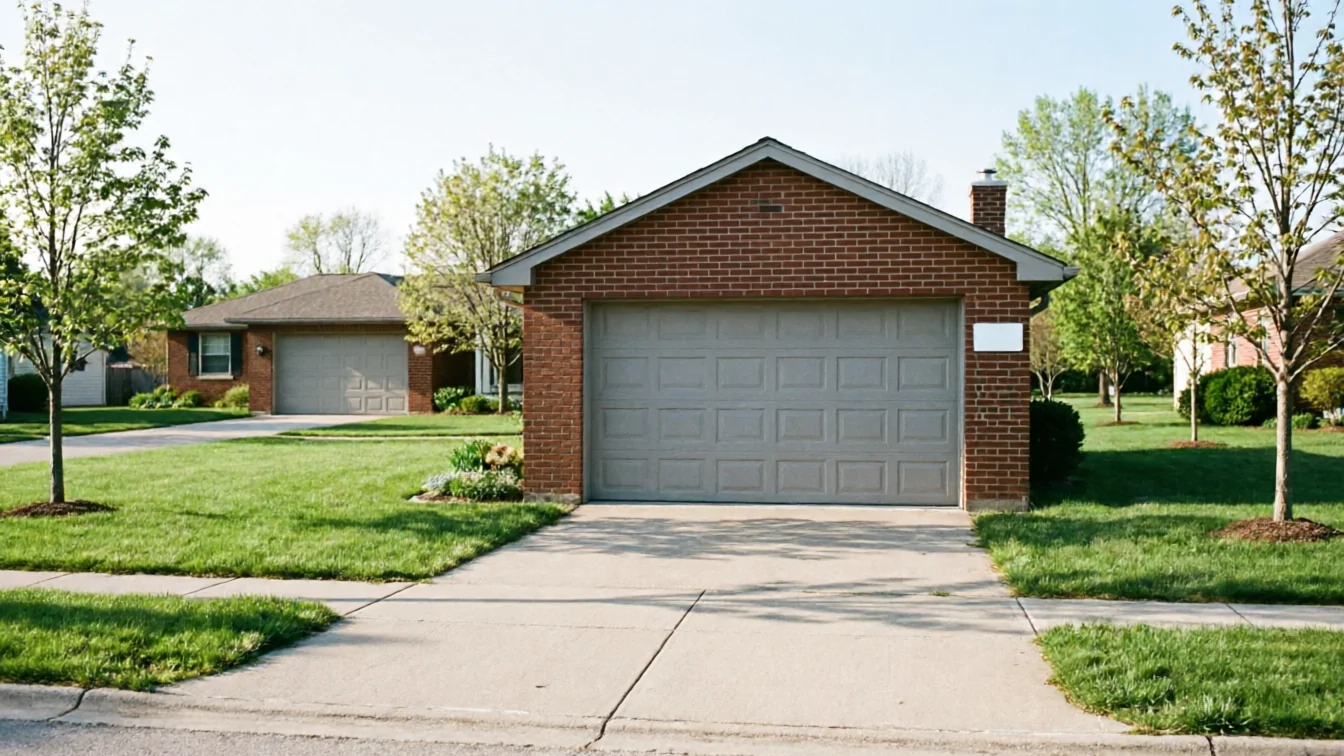
Rolling Meadows homes built 1938-2009 mix attached and detached garages.
Read moreReady when you are
Rolling Meadows Garage Door Pros repairs and installs garage doors, springs and openers in Rolling Meadows, IL and the surrounding area.