
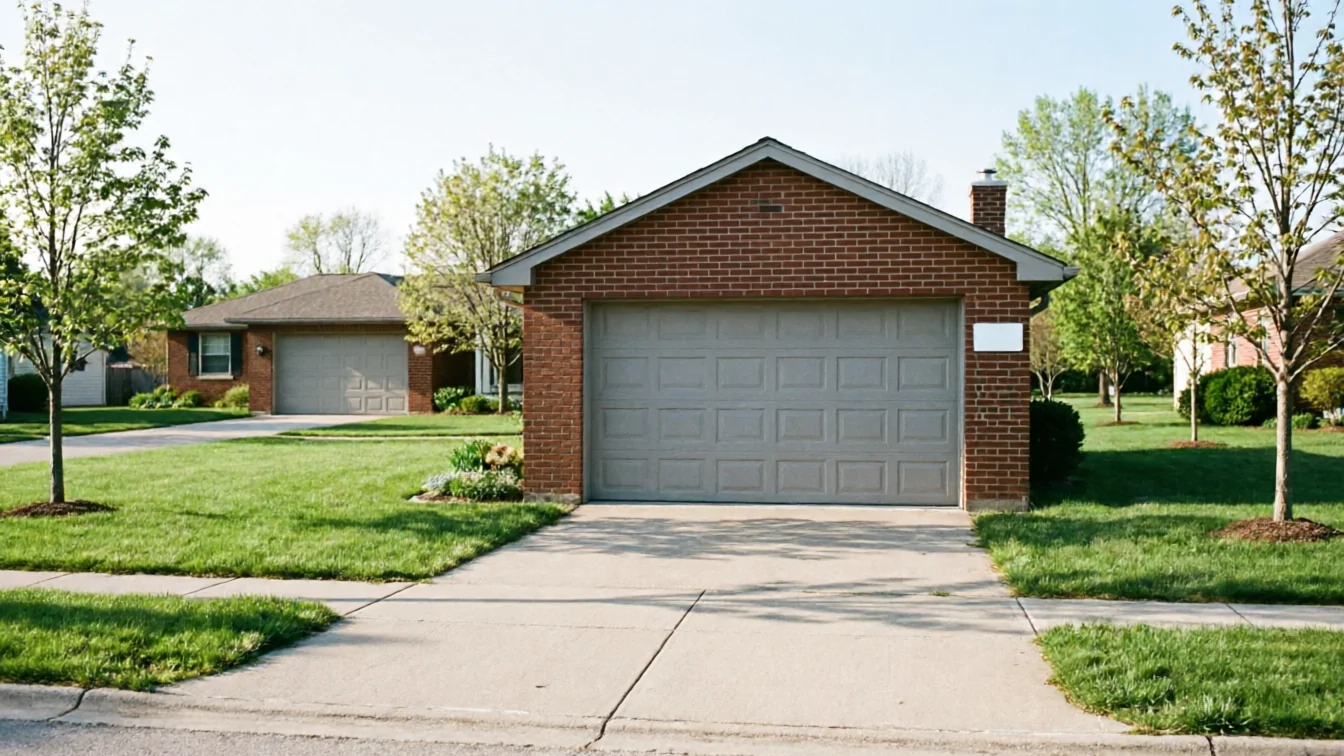
Attached or Detached: Why the Garage Type Changes the Door
Rolling Meadows homes built 1938-2009 mix attached and detached garages.
Read moreRolling Meadows homes from the 1960s and 70s leak heat fast through worn garage door seals. Here's what cold-climate draughts cost and how to fix them.
Local detail
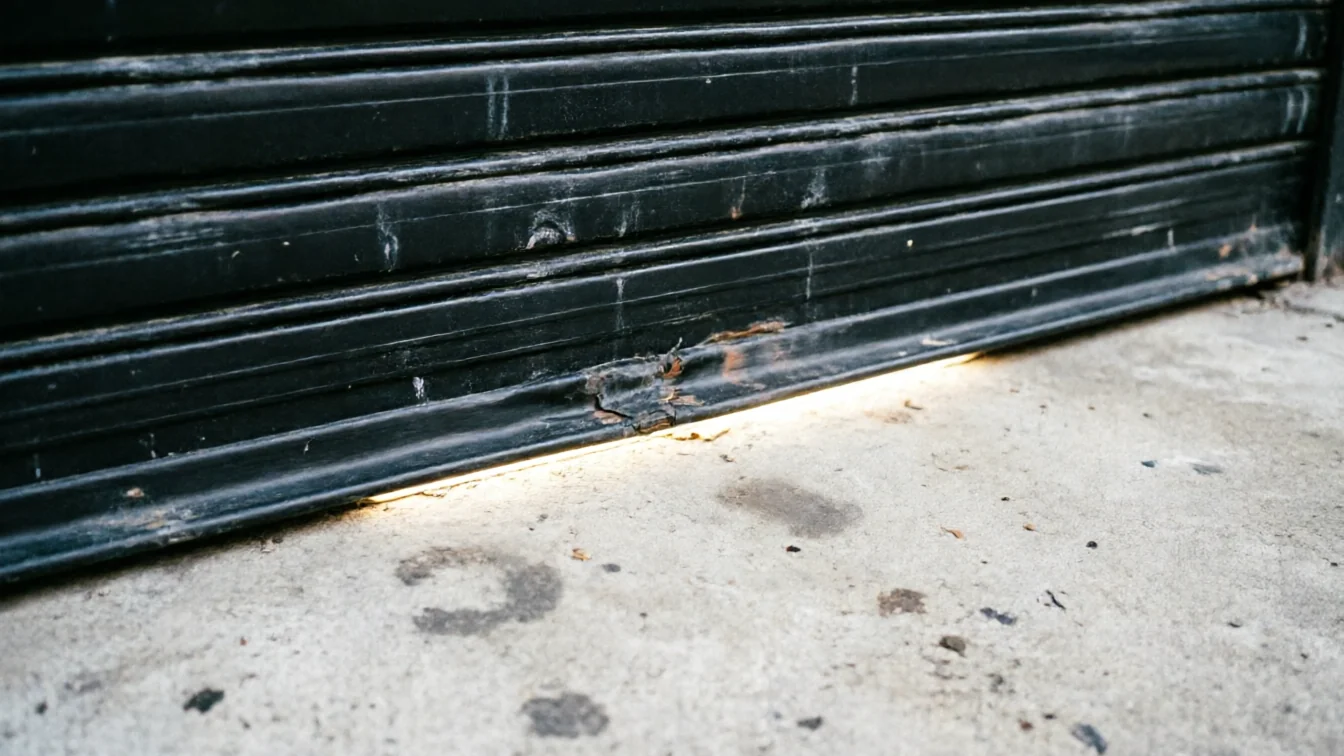
We don't publish a flat number for a seal job because the right fix depends on what's actually hanging on your hinges. A door from the 1960s or 70s often needs a different bottom astragal, a different vinyl retainer track, or a full threshold replacement rather than a quick stick-on strip - and those parts aren't priced the same. Median household income in this service area runs around $113,125, which tells us most owners here can afford to do the job right instead of patching it twice, but it doesn't tell us what your specific door needs. That's the honest limit: we won't quote a number over the phone for a repair we haven't looked at, because guessing low and then finding rotted wood jamb behind the seal helps nobody. What we can tell you is that sealing a door is almost always cheaper than the energy you're losing through a gap you can feel with your hand on a January morning. If your door still has its original aluminum track from when the house was built, expect the seal kit itself to cost more than the labor, simply because that hardware isn't the common size anymore.
The area
Housing stock across this service area runs from 1938 up through 2009, but the bulk of it - including most of what's around Rolling Meadows - went up in that 1960s-70s building wave, with a median year of 1978. That matters for seals specifically because doors and frames from that era were built to a different standard than what ships today. The rubber bottom astragal degrades on a predictable timeline regardless of brand, and a door that's 50 or 60 years old has usually been resealed once already, sometimes with a mismatched kit that doesn't sit flush in the original track. Within a few miles you've got Prospect Heights, Wood Dale, and Schiller Park, all built out in that same postwar stretch, so the supply houses that stock seal kits aren't carrying the old track widths in volume anymore - you may wait on a special order rather than walk out with a part same-day. The situation isn't that your door is broken. It's that the parts ecosystem around a 1965 or 1972 door has shrunk, and a seal that looks fine from three feet away can still be letting air through at the corners where the track has warped.
What we find
This area sits in a severe cold-climate band, and that's the specific thing that ages a seal faster than age alone would. Vinyl and rubber both stiffen below freezing, and a door that cycles through repeated freeze-thaw swings over a winter - not just one cold snap but weeks of it - loses its flex permanently faster than the same part would in a milder climate. Once the bottom seal stops flexing, it stops compressing against the slab, and a quarter-inch gap under the door moves enough air to matter on a below-zero night, especially if the garage shares a wall with living space. The same cold hardens the vinyl bulb on the side and top seals, so the gasket that used to cushion the panel against the jamb starts cracking at the fold line instead of bending. Ice is the other half of it: meltwater running off the roofline and refreezing at the bottom corners can pin a seal to the slab overnight, and forcing the door open over that ice tears the seal before you've even noticed it's stuck. None of this shows up in summer. It shows up the first hard freeze of the season, which is exactly when you don't want to find it.
How we work
The mistake we see most is treating the bottom seal as the whole job. Someone feels a draft, replaces the rubber strip along the floor, and the gap is still there because the real leak is at the top seal or the vertical weatherstrip along the sides of the track - spots people don't check because they're not at eye level. On a door built in that 1960s-70s stretch, the top seal is often the original piece, and it's had twenty more winters of cold-hardening than the bottom strip that got swapped out at some point. The second version of this mistake is buying a universal foam seal kit sized for a modern track and forcing it onto an older aluminum retainer it wasn't made for - it looks sealed for a season, then pulls loose the first time the door cycles in deep cold. If you're only going to fix one thing, fix the top seal and the corner returns, not the bottom strip, because that's usually where the air you're actually paying to heat is escaping. A full seal replacement, done once with parts matched to your actual track, outlasts patching the visible symptom every time.
Questions
Vinyl and rubber seals stiffen as temperatures drop, and this area's cold band means repeated freeze-thaw cycles rather than one mild dip. A seal that still compresses fine in October can crack or lose its flex by January, which is why the draft shows up with the first hard freeze and not before.
Often yes, if the panel and track are still square and not rusted through. Housing in this area mostly dates to that same era, so parts for older tracks exist, they just aren't stocked in volume anymore - expect to order the right-size kit rather than grab one off a shelf.
Yes. Meltwater that refreezes at the bottom corners overnight can bond the seal to the slab. Forcing the door open over that ice tears the rubber before you notice anything's wrong, which is a different failure mode than normal wear and shows up specifically in a severe cold climate like this one.
Recommendation
More garage door guides for Rolling Meadows homeowners.
Rolling Meadows homes built 1938-2009 mix attached and detached garages.
Read more
Rolling Meadows homes mostly date to the 1960s and 70s.
Read more
Rolling Meadows homes built in the 1960s-70s often carry wide double doors without bracing for cold-climate wind.
Read moreReady when you are
Rolling Meadows Garage Door Pros repairs and installs garage doors, springs and openers in Rolling Meadows, IL and the surrounding area.