Rolling Meadows, IL
Garage Door Opener Installation Around Rolling Meadows
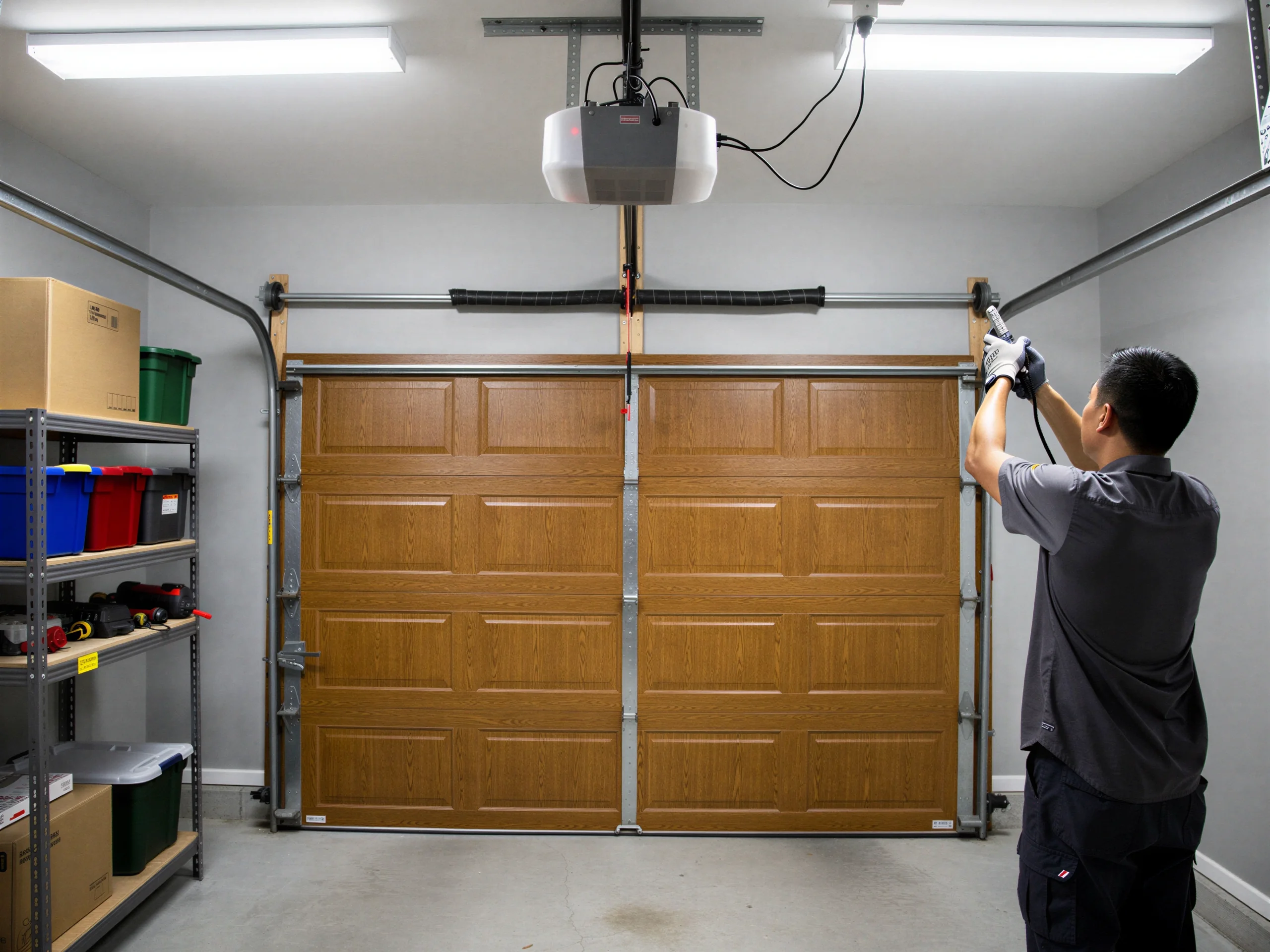
Opener installs for Rolling Meadows homes built mostly in the 1960s and 70s, sized for cold-climate doors and older framing. Serving the wider northwest suburbs too.
Popular Services
What Causes It Around Here
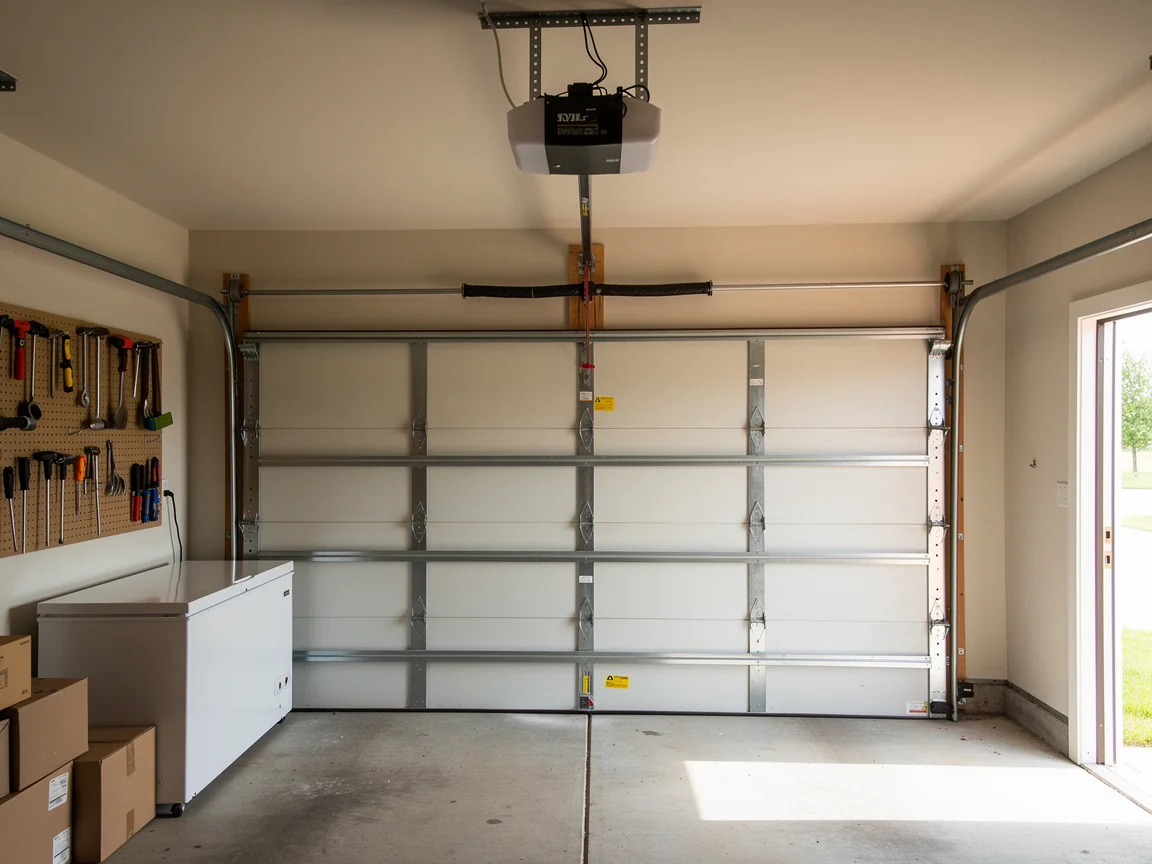
Most of the housing stock in this part of the suburbs went up between 1938 and 2009, with the bulk of it dating to the 1960s and 70s. Openers from that era, or the replacements installed in the 80s and 90s, are chain-drive units built for a lighter door and a milder duty cycle than what they're carrying now. Add a severe cold climate band and you get a specific failure pattern: nylon gears that go brittle and strip in January, logic boards that can't handle the voltage swings from an unheated garage, and drive screws that bind when grease thickens below freezing.
Homes built on the older end of that range often still have the original opener bracket mounted for a lighter, single-layer door. When an owner upgrades to a heavier insulated door - a common move in this climate - the old opener is undersized for the new load. That's not a defect, it's a mismatch, and it's the single most common reason we get an opener-install call instead of a simple repair call. The fix isn't patching the old unit. It's matching horsepower and drive type to the door that's actually on the house now, not the one that was there in 1975.
The Symptom
The warning signs are consistent across the area: the door hesitates before it starts moving, especially on the first cold morning of the week. The opener hums for a second or two before the chain or belt engages, which is the motor working against a gear that's already partially stripped.
Receiver board failure
Some owners hear a grinding or clicking sound from the head unit that wasn't there last winter. Others notice the remote works from the driveway but not from inside the car, a sign the receiver board is failing, not the batteries.
Self-reversing partway up
A less obvious symptom: the door reverses on its own partway up, or won't close all the way without someone holding the wall button down. That's usually a worn drive mechanism losing its ability to read force correctly, not a safety sensor problem, though it can look identical from the driveway.
Silent weakening without lights
On older openers without modern force-sensing or battery backup, there's no diagnostic blinking light to tell you what's wrong - the unit just quietly gets weaker each cold spell until one morning it doesn't lift at all. If your opener still uses a key-switch or a wired wall button from the original install, that age alone is a strong clue it's past the point of parts being worth sourcing.
The DIY Question
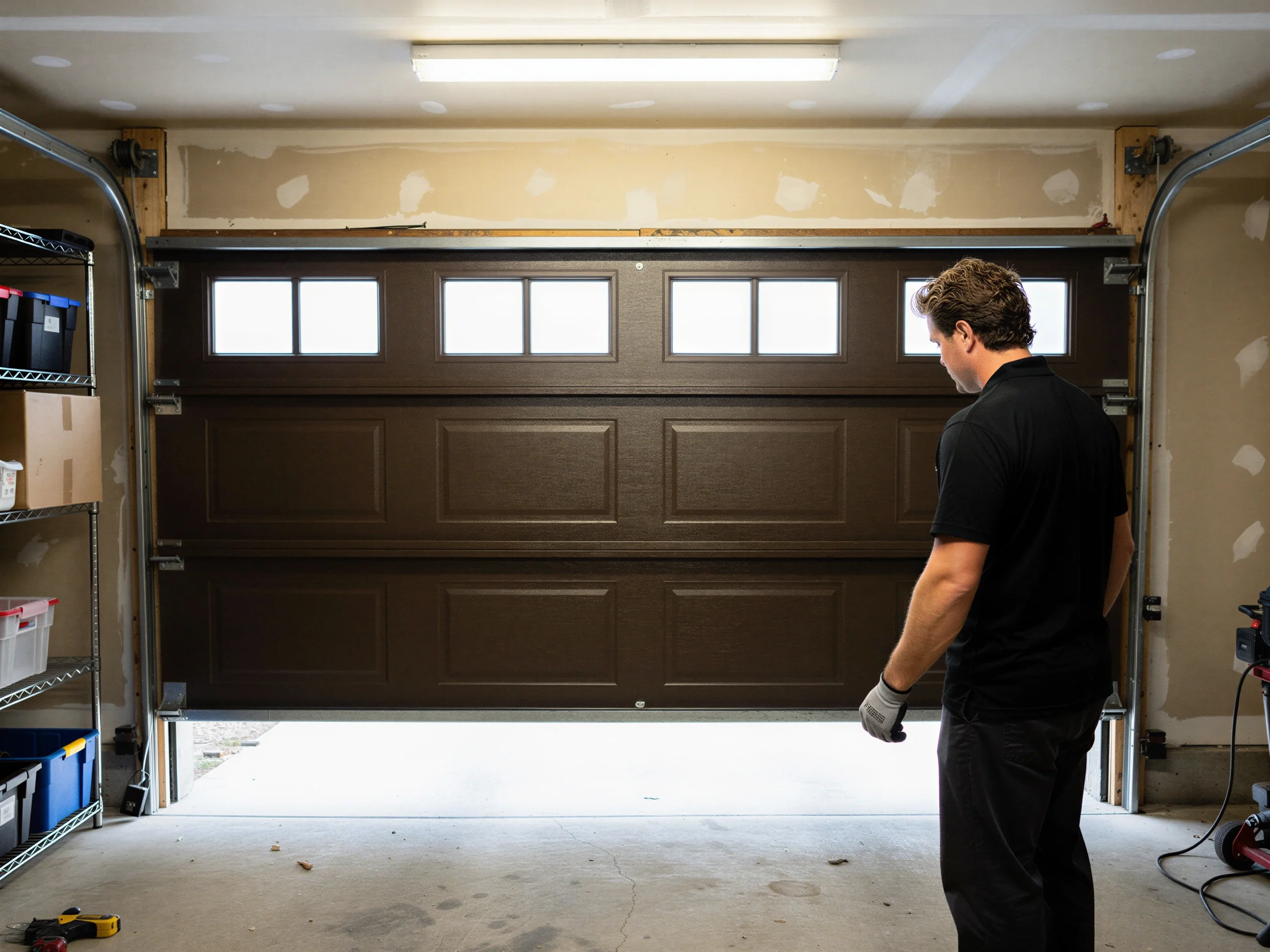
Swapping an opener head unit is within reach for a comfortable DIYer - the kit instructions aren't complicated, and plenty of homeowners do it. Where it gets risky is the rest of the system: setting travel limits and force settings wrong on a heavier insulated door can mean a door that slams down on a foot or a car hood, or one that the safety reversal doesn't catch in time.
Bracket holes and header
Wiring in a new photo-eye bracket when the old mounting holes don't line up with a new unit's bracket spacing is another spot where people end up drilling into a header they shouldn't.
Mixing old rails and motors
We'll say plainly what we don't do: we don't recommend reusing a 20-year-old opener's rail and drive assembly with a new motor head just to save money. The parts wear as a set, and mixing old rail wear with a new motor's force curve is exactly how you get an opener that nuisance-trips or doesn't trip at all.
Light-door DIY threshold
If you're comfortable with electrical work and torque specs, a DIY install on a single lightweight door isn't unreasonable. On a heavier insulated door, or anything with a keypad or smart-home tie-in, we'd rather you call before you're halfway through the bracket.
How Long You Are Without the Door
A straightforward opener swap on a door that's otherwise in good shape is typically a same-visit job - the old unit comes down, the new one goes up, travel and force get set, and the door is back in service before the truck leaves.
Prep work extends timeline
What extends the timeline is what the old install left behind: a header that needs reinforcing for a heavier unit, wiring that has to be rerouted because the last opener was hardwired without a disconnect, or a rail that doesn't match the new motor's mounting pattern.
Parts availability drives timing
The real variable is parts availability, not labor. A standard chain or belt-drive opener is usually on hand. A specific smart-opener model, a battery-backup unit, or a non-standard rail length sometimes has to be ordered, and that can mean a day or two between the estimate and the install rather than one visit.
No same-day special orders
We won't promise a same-day install on a special-order unit just to close the job - if it needs to be ordered, we'll tell you that up front instead of having you wait around for a truck that isn't coming.
Questions
Common questions
Why does my opener struggle more in winter than it used to?
Cold thickens the grease on the drive screw or chain and makes nylon gears brittle, so the motor works harder to start the door moving. In this climate band, that extra strain speeds up wear on openers that were already near the end of their life, which is why failures cluster in the coldest months rather than spreading evenly through the year.
Can you just install a new opener on my existing rail and track?
Sometimes, if the rail and track are in good shape and match the new unit's mounting spec. We won't reuse a rail that's visibly worn or mismatched to the new motor's force curve, because that combination is a common cause of nuisance reversals and uneven force later on.
Do you install smart openers with phone app control?
Yes, within what's in stock or available to order. Smart-opener models sometimes need to be special-ordered rather than installed same visit, so we'll tell you at the estimate whether yours is on hand or needs a day or two to arrive.
Is it worth replacing an opener instead of repairing it?
If the opener is original to a house built in the 1960s or 70s, or if the gear, logic board, and motor are all showing age at once, replacement is usually the better value than chasing one repair after another on a unit that's near the end of its service life.
Explore more
Explore More Services In Rolling Meadows, IL
Garage Door Service for Rolling Meadows's 1960s and 70s Housing Stock
Rolling Meadows homes mostly date to the 1960s and 70s, and severe cold winters wear out springs and seals fast. Learn more →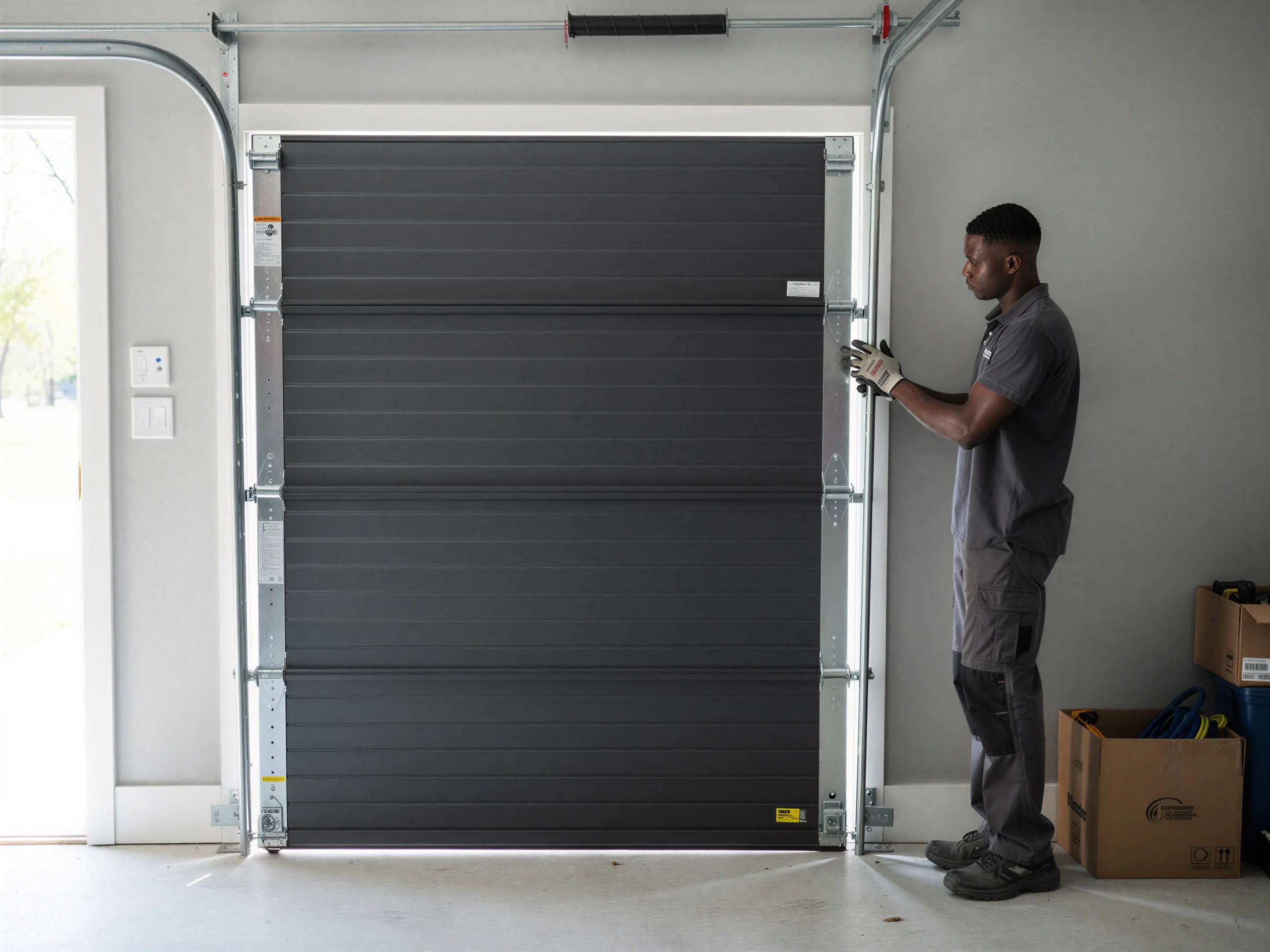
Garage Door Installation for Rolling Meadows Homes
New garage door installation in Rolling Meadows, IL, matched to the area's 1960s-70s split-levels and ranches built to handle Chicago-area cold winters. Learn more →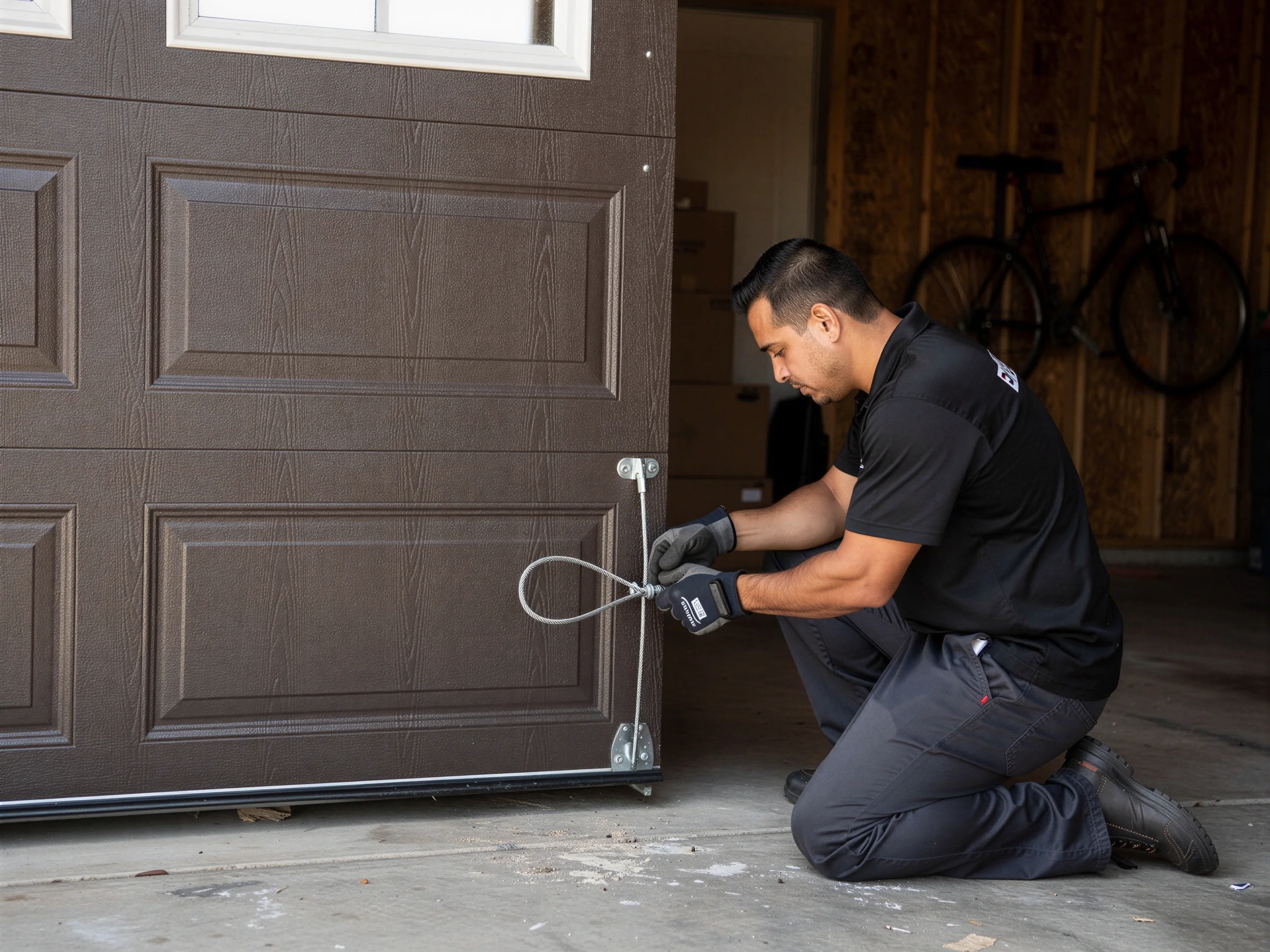
Garage Door Cable Repair for Rolling Meadows Homes
Broken or frayed garage door cables are common on Rolling Meadows's 1960s-70s housing stock after a cold winter. Learn more →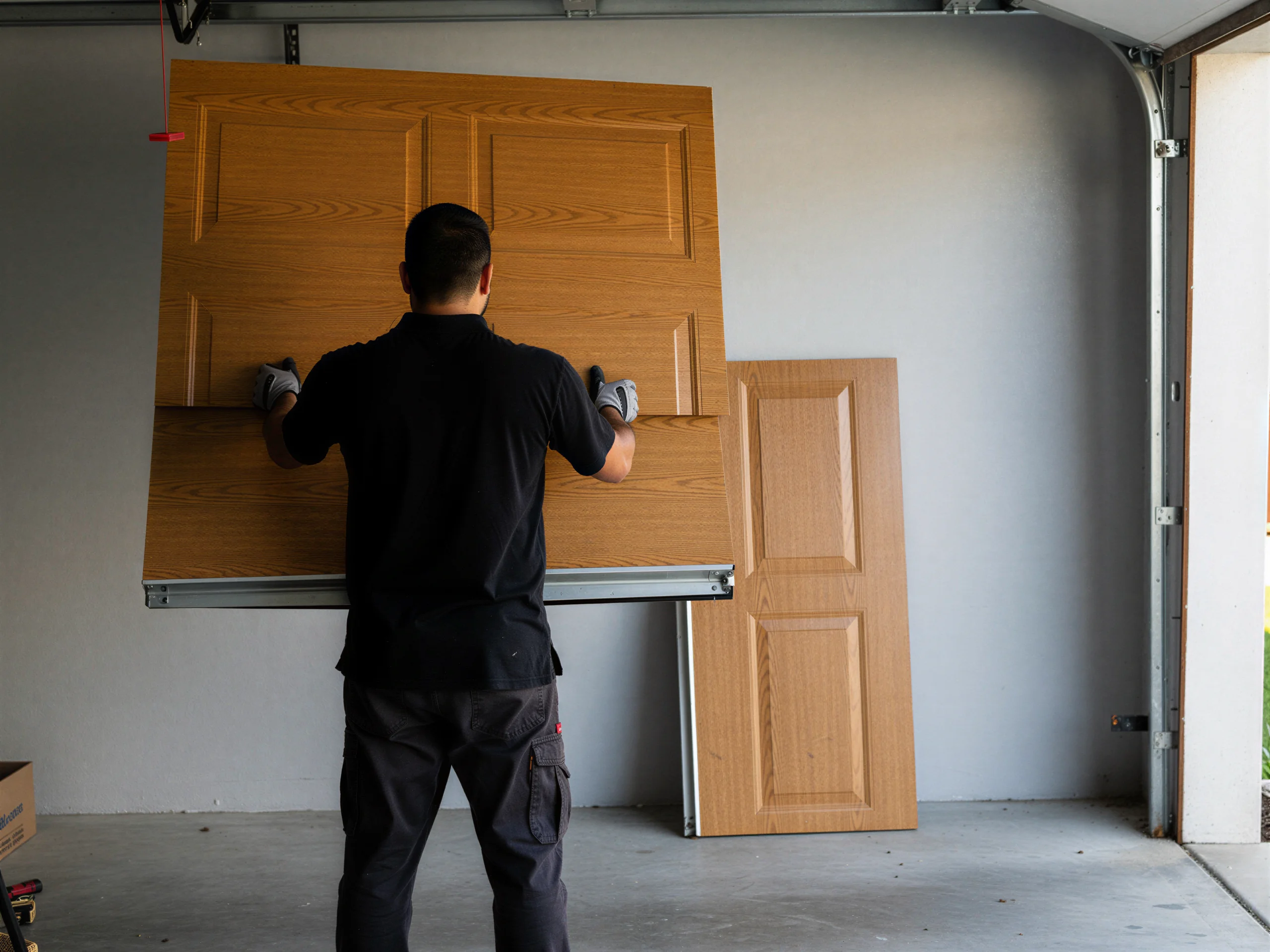
Cracked or Dented Garage Door Panels in Rolling Meadows
Dented or cracked garage door panels are common on the 1960s-70s steel doors around Rolling Meadows. Learn more →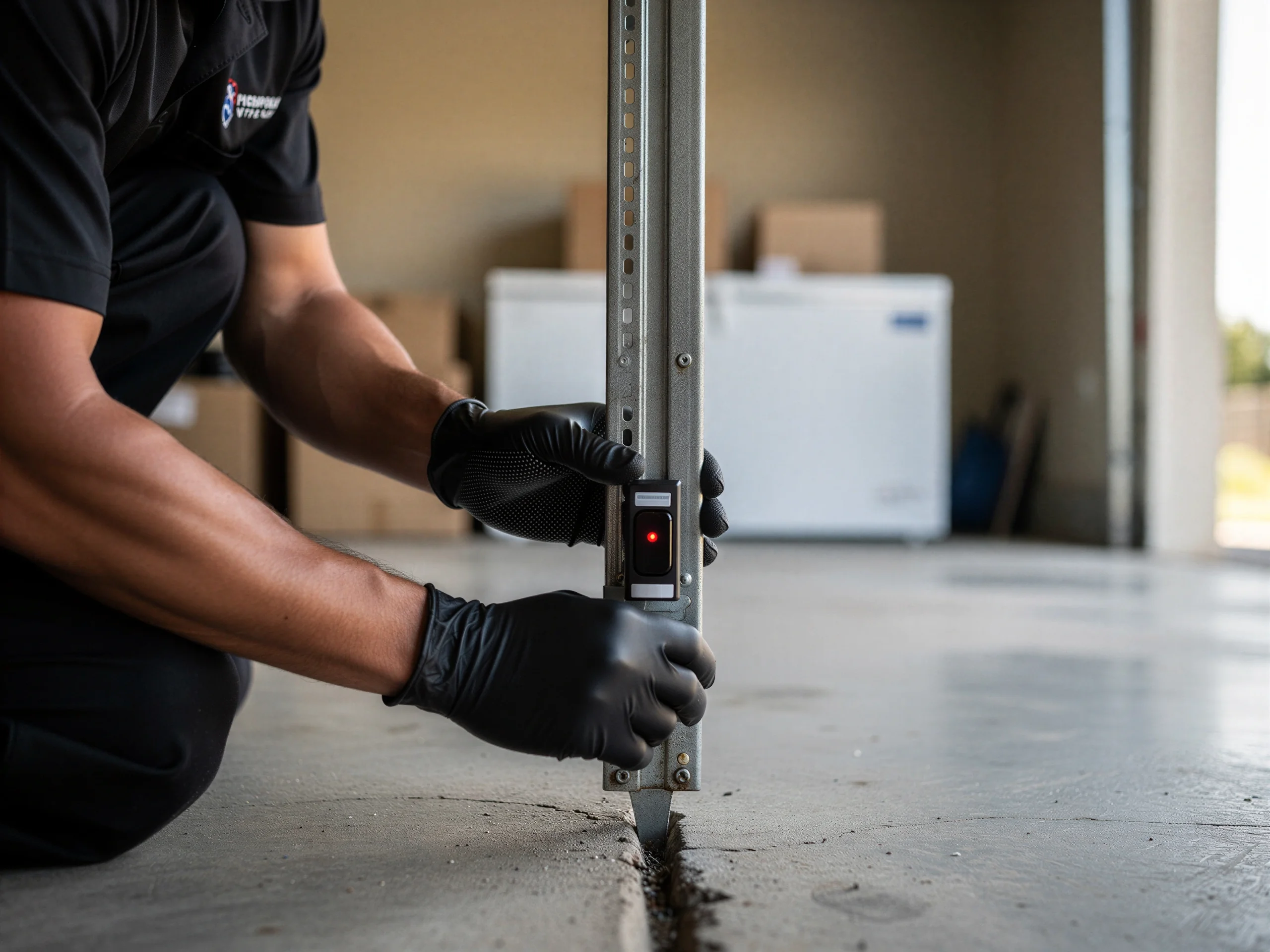
Garage Door Opener Repair for Rolling Meadows Homes
Opener grinding, stalling, or not responding to the remote? Learn more →
Garage Door Repair for Rolling Meadows Homes
Torsion springs, off-track doors, and cold-snapped cables on Rolling Meadows's 1960s-70s housing stock. Learn more →Ready when you are
Need a new garage door opener in Rolling Meadows?
Rolling Meadows Garage Door Pros repairs and installs garage doors, springs and openers in Rolling Meadows, IL and the surrounding area.