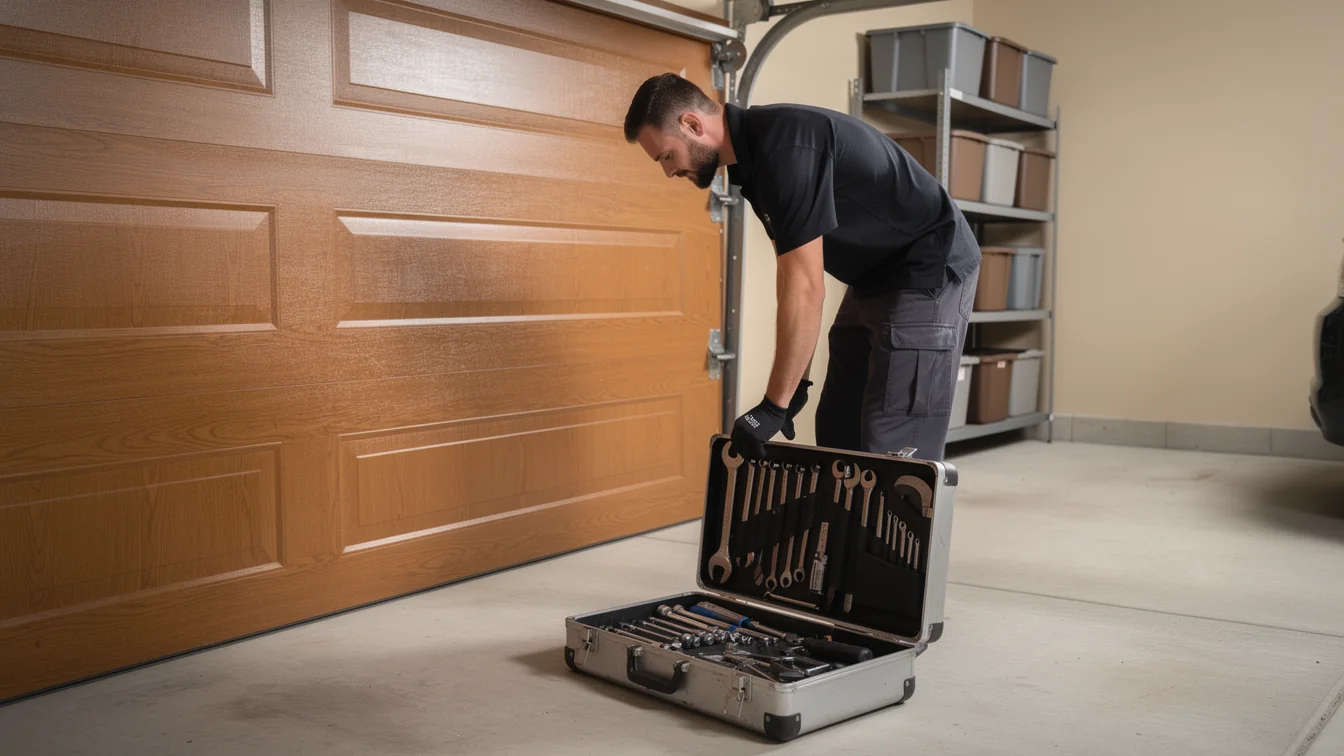
What a Service Call Actually Covers in Rolling Meadows
A straight look at what's included when a tech comes out in Rolling Meadows, IL, tied to the area's 1960s-70s housing stock and cold-severe winters.
Read moreA technician's walkthrough of what gets inspected first on a Rolling Meadows garage door call, tied to this area's 1960s-70s housing stock and cold, severe winters.
Local detail
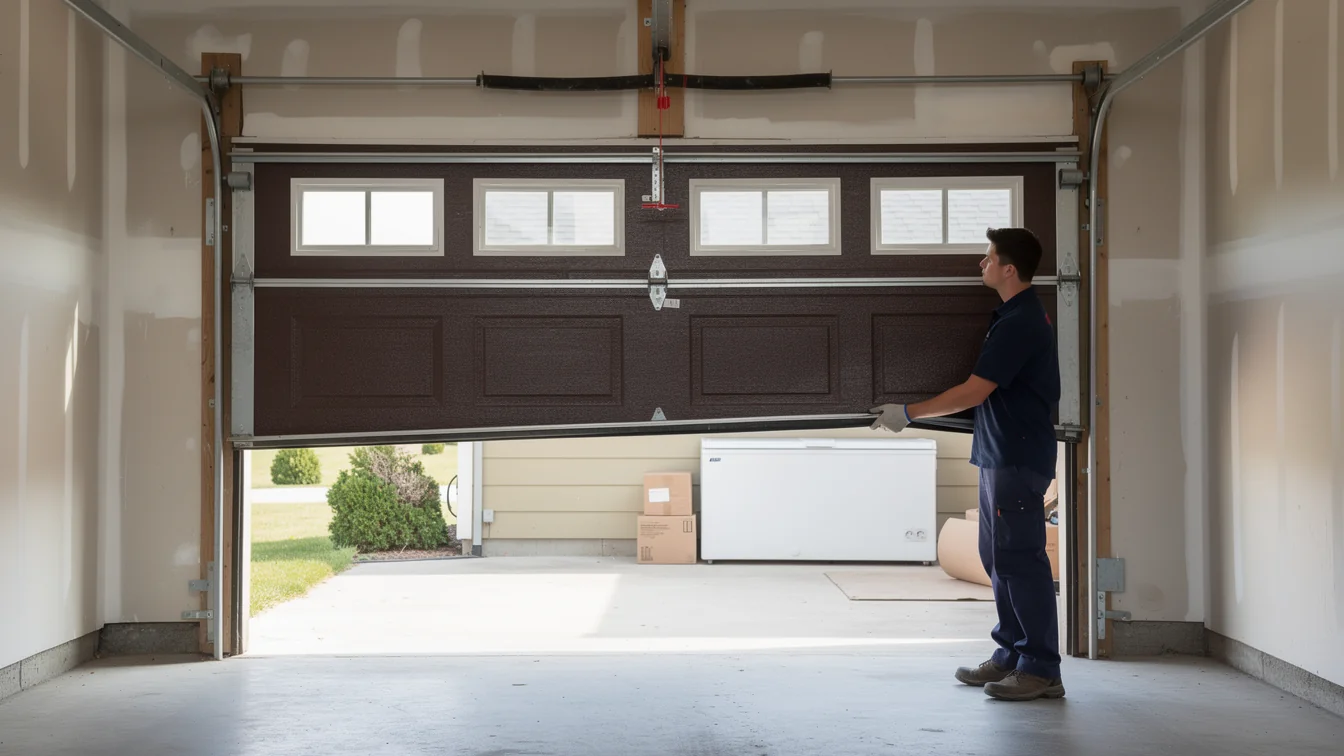
We don't post a flat number here because what you pay depends on what's actually wrong, and on a lot of Rolling Meadows jobs, that's tied to the age of the door itself. Houses in this area run from 1938 up through 2009, with a median build year of 1978, which means a good share of the doors we open are original or close to it - steel panels on torsion or extension hardware sized for specs that changed decades ago. A spring swap on a door that age is a different job than a spring swap on a 2015 insulated door, because the hardware, the drum sizing, even the winding cone can be a style nobody stocks on the truck as standard. That's the honest limitation: if your door is a 1970s original and the track or hinges have gone with it, a tech may tell you repair isn't worth it compared to replacing the whole unit. We'd rather say that up front than charge you twice. What drives the number on any given call is parts availability and whether it's a single-system fix (one spring, one opener board) or several worn systems failing at once, which happens more often on houses built before the 1980s than after.
The area
Most of the housing stock in this corner of the county went up in the 1960s and 70s, and Rolling Meadows sits right in that band - the service area's housing runs 1938 to 2009 with a median year of 1978, and the bulk of it clusters in that mid-century stretch across 77 named communities nearby, including places like Itasca and Roselle about seven miles out. What that means on a service call: a lot of garages still have their original torsion springs, original steel panel sections, and openers that have been swapped once, maybe twice, since the house was built. The doors themselves were engineered for lighter-weight panels than what's sold today, and the springs were wound to match. When a homeowner adds a heavier insulated replacement door onto 50-year-old track and rollers, the geometry is often off by enough to matter. A tech who's worked this area knows to check the door's actual age against the hardware before touching anything, because the fix for a 1978 door and a 2005 door on the same street can be completely different jobs.
What we find
Rolling Meadows falls in a cold, severe climate band, and that changes what fails first and when. Steel loses flex as it gets cold, so a torsion spring that's been fine all summer can snap in January without warning - that's why checking spring tension and looking for visible stretching or rust pitting is step one on a winter call, before the opener gets touched at all. Cold also makes grease stiffen inside rollers and hinges that haven't been lubricated in years, which shows up as a door that grinds or hangs partway up. On the older steel panels common in this area's 1960s-70s stock, you'll often see condensation freeze along the bottom seal, which swells the door just enough to bind on the track. A tech checks the weatherstrip and the bottom seal for ice buildup and gaps before diagnosing anything electrical, because half the
Questions
Cold makes steel springs stiffer and more likely to snap, and it thickens old grease in rollers and hinges, so doors that run fine in summer start grinding, hanging, or binding once temperatures drop into the severe-cold range we get here. A tech checks spring tension and lubrication first on any winter call for that reason.
If your house was built in the 1960s or 70s, which covers a large share of homes in this area, there's a good chance the door hardware - torsion spring sizing, drum style, even the track gauge - is original or close to it. A tech checks the hardware era against the door's actual age before quoting a repair.
It depends on what's failed and how much of the system is original. If the springs, track, and panels are all original 1970s-era stock and more than one system is failing, replacement is often the better call than patching piece by piece. We'll tell you honestly when a repair isn't worth doing.
Recommendation
More garage door guides for Rolling Meadows homeowners.
A straight look at what's included when a tech comes out in Rolling Meadows, IL, tied to the area's 1960s-70s housing stock and cold-severe winters.
Read more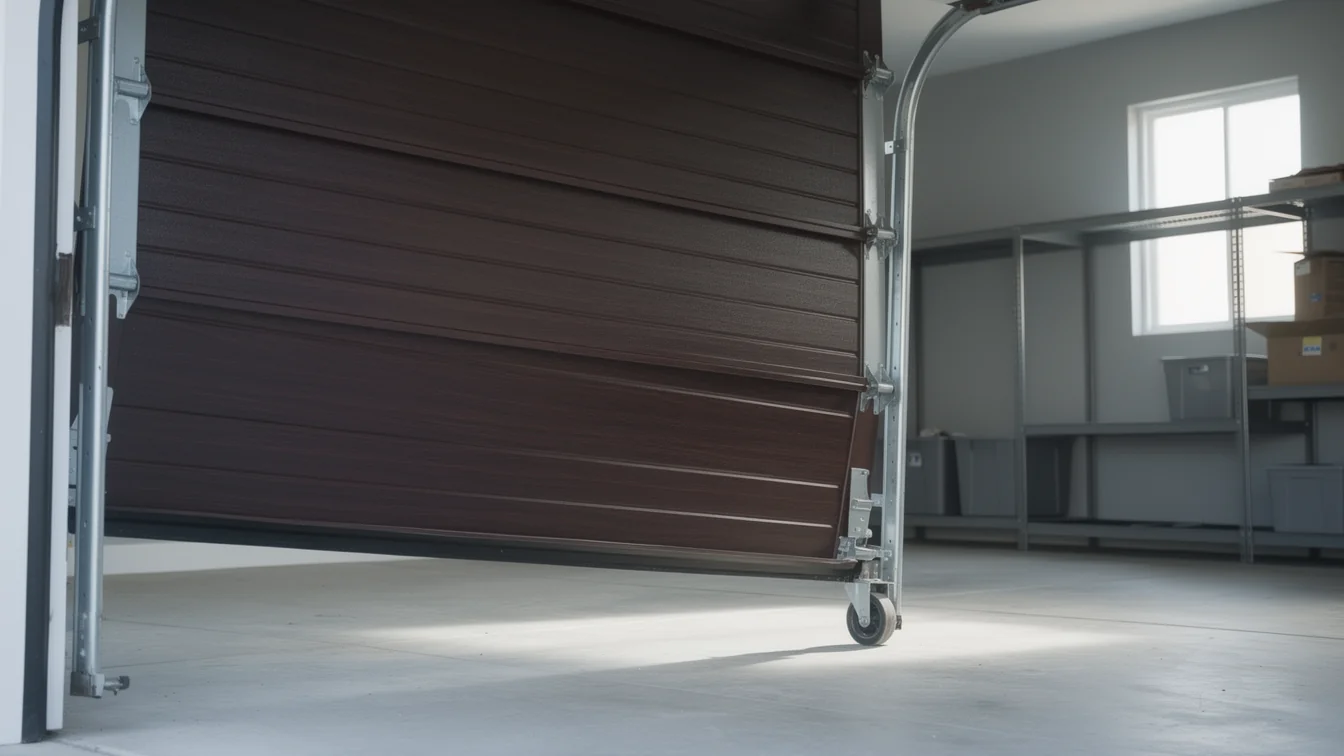
A look at why older Rolling Meadows garage doors slip their tracks, tied to this area's 1960s-70s housing stock, cold winters, and what actually fixes it.
Read more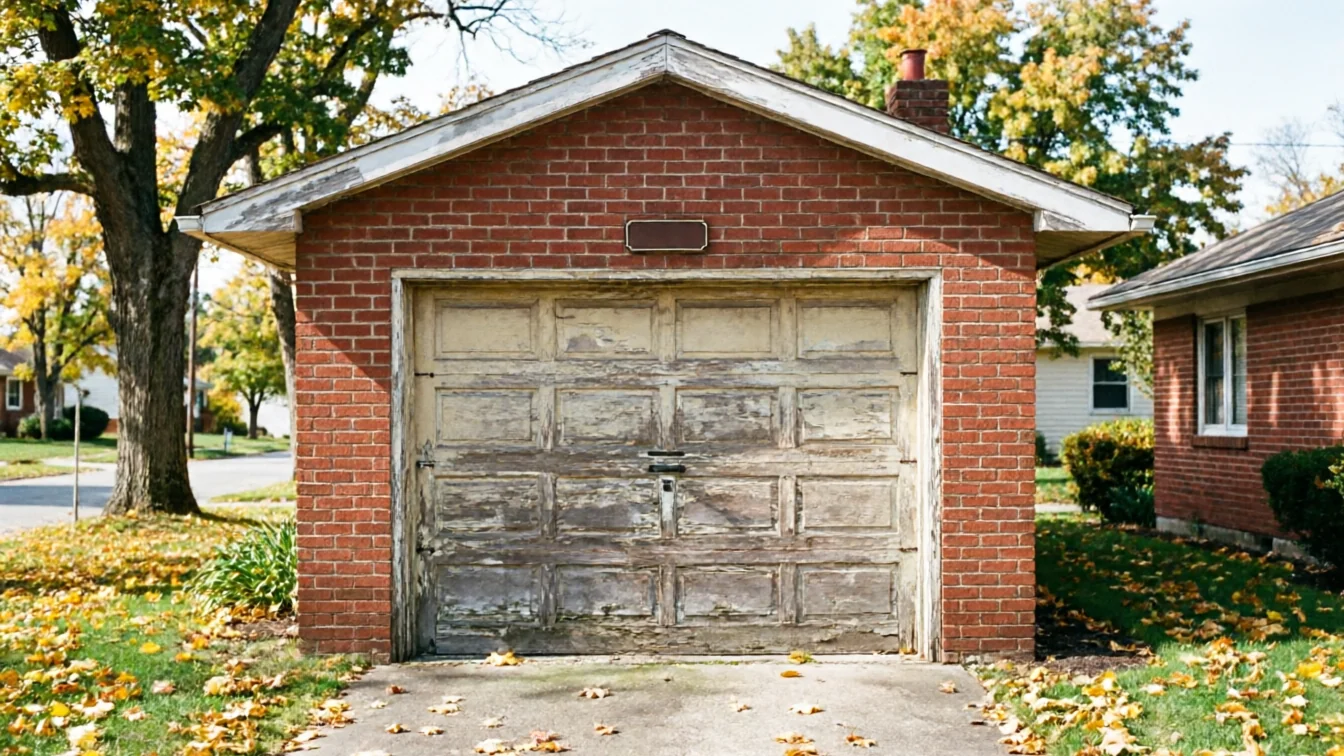
Rolling Meadows homes mostly date to the 1960s and 70s.
Read moreReady when you are
Rolling Meadows Garage Door Pros repairs and installs garage doors, springs and openers in Rolling Meadows, IL and the surrounding area.