Is Your Old Garage Door Worth Fixing in Rolling Meadows
Rolling Meadows homes mostly date to the 1960s and 70s.
Read moreRolling Meadows homes mostly date to the 1960s-70s building boom. Here's how that age and our cold winters decide when a repair stops making sense.
Local detail
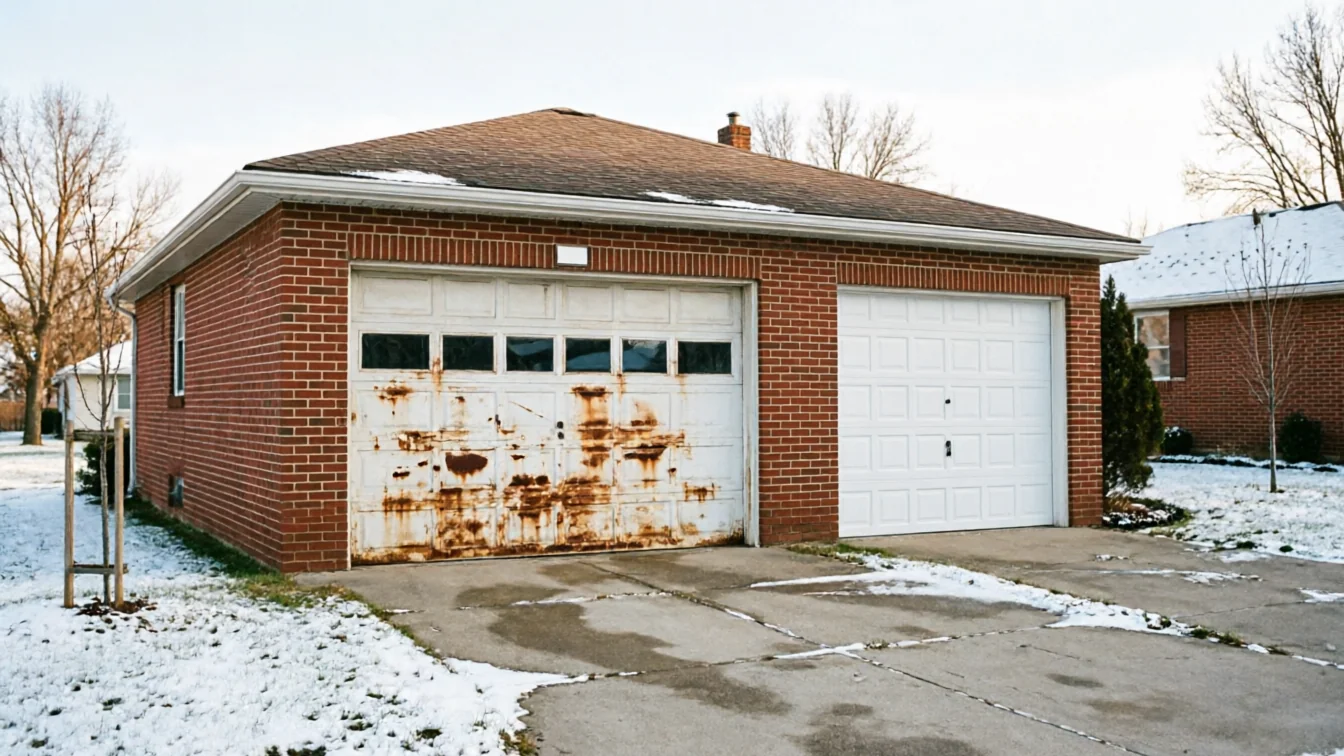
We won't quote a number here because it depends on what's actually broken and what the door is made of, but we can tell you what drives the cost up in this town specifically. A lot of Rolling Meadows garages still carry the original door or opener from when the house was built, and housing here spans 1938 to 2009 with a median build year of 1978. That means parts for a lot of these doors aren't something a supplier keeps on the shelf anymore - a specific panel width, an obsolete track profile, a spring wound for hardware nobody makes new. Sourcing that stuff takes time and it isn't cheap once you find it. On a newer door, the math is simple: a spring or a roller job costs less than a new door, every time. On a door that's been in the garage since the Ford administration, you're often paying parts-hunting money to keep something running for another year or two. That's the point where we tell customers straight - this is probably your last repair, not your first of several. We'd rather say that up front than have you pay us twice in eighteen months.
The area
Across the area, most garage doors were put in during the 1960s and 70s - that's the dominant housing stock across the 77 named communities in this part of the county, and Rolling Meadows sits squarely in that build-out period. These are doors and openers that have had fifty-plus years to wear down hardware, and a lot of them have been repaired piecemeal over the decades rather than replaced outright. What that means on a service call: springs that don't match the door weight because someone swapped a panel at some point, openers bolted to track that's been reinforced twice, cables running on drums that were never rated for the door currently hanging on them. None of that is dangerous by itself, but it's also not a system - it's a patchwork, and patchwork fails in ways that are harder to predict and more expensive to chase down one part at a time. When we're called to a door like this, the question isn't just what broke today, it's how many more of these parts are from the same era and likely to go next.
What we find
Rolling Meadows sits in a cold climate zone with severe winter conditions, and that matters more for an older door than people expect. Steel contracts in the cold, which tightens tolerances on tracks and rollers that were already worn loose from decades of use. A torsion spring that's lost some tension from age has less margin to begin with, and a hard cold snap is often what finally snaps it rather than a random Tuesday in July. Panels on original 1960s and 70s doors, especially steel ones without much insulation, flex more with the temperature swings we get here, and that flexing works screws and hinges loose over time. If your door is from that era and you've noticed it's gotten noisier or harder to lift as the temperature drops, that's not your imagination - it's the cold finding the weak point in hardware that's already near the end of its service life. On a door that age, winter doesn't cause the failure so much as it picks the exact day.
How we work
The mistake we see most in Rolling Meadows is treating a worn-out door as a series of individual problems instead of one aging system. Someone replaces a cable, then six months later a roller, then the opener starts grinding - and each time it gets fixed as its own job, because each individual repair is cheap enough to say yes to. Add them up over two or three years and you've often spent more than a full door replacement would have cost, and you still have an old door. With median household income in this service area at $113,125, most households here can afford to make the call either way - the issue isn't money, it's that nobody adds up the running total until we point it out on a service call. If your door and opener are both original to a house built well before 2000, and you've had more than one repair in the past year, that's usually the sign to ask for a replacement quote instead of another patch.
Questions
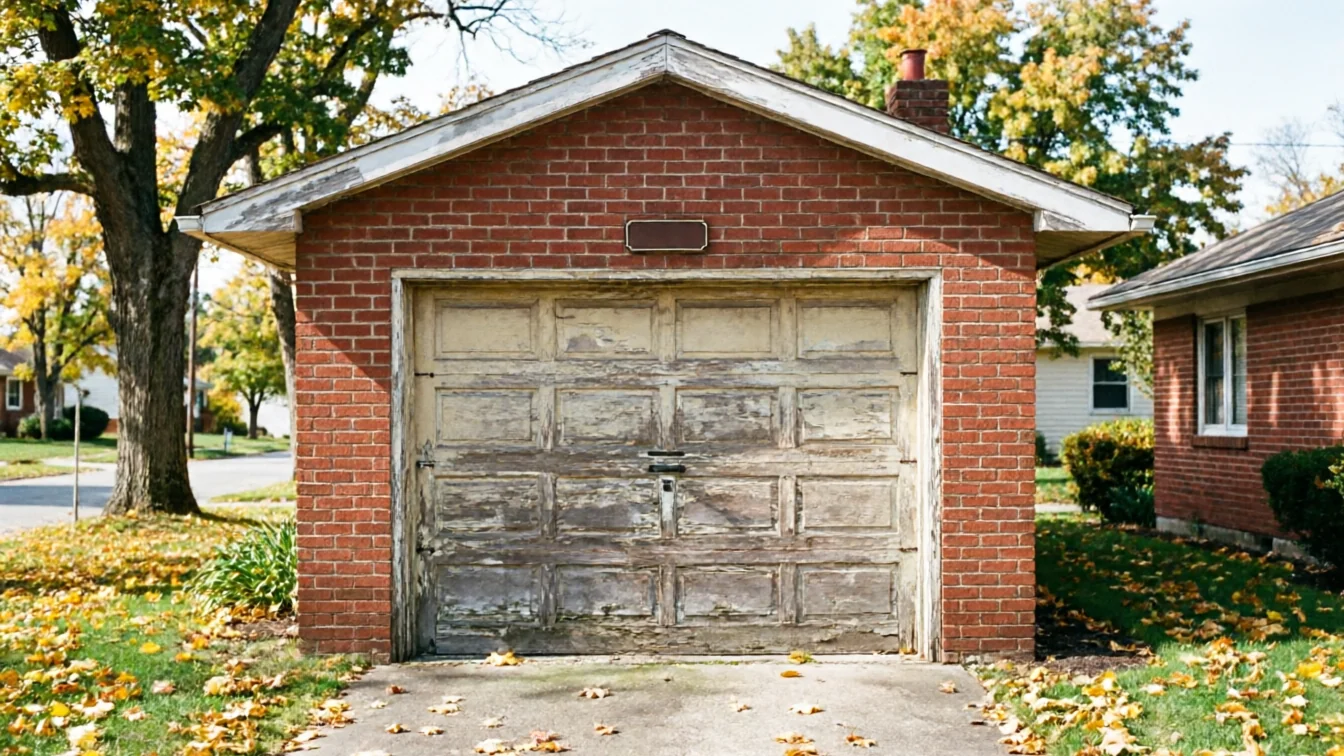
If your Rolling Meadows home was built in the 1960s or 70s - which covers most of the housing stock in this part of the county - and the door and opener have never been swapped out, there's a good chance it's original. Look for a steel door without foam insulation and an opener with exposed chain drive and no modern safety eye brackets; those are both signs of original, decades-old equipment.
Sometimes, if the problem is minor and isolated - a roller, a single hinge, a sensor. But on doors this old we'll tell you honestly if the part is hard to source or if the repair is likely to be followed by another one soon. We won't keep billing you for patches on a door that's done.
Rolling Meadows sits in a severe cold climate zone, and steel hardware tightens and contracts as temperatures drop. On an older door that's already worn, that extra stress is often what finally causes a spring to break or a track to bind, which is why winter calls spike on doors from the 1960s-70s era.
Recommendation
More garage door guides for Rolling Meadows homeowners.
Rolling Meadows homes mostly date to the 1960s and 70s.
Read more
Rolling Meadows homes built mostly in the 1960s-70s and severe cold winters create specific door noises.
Read more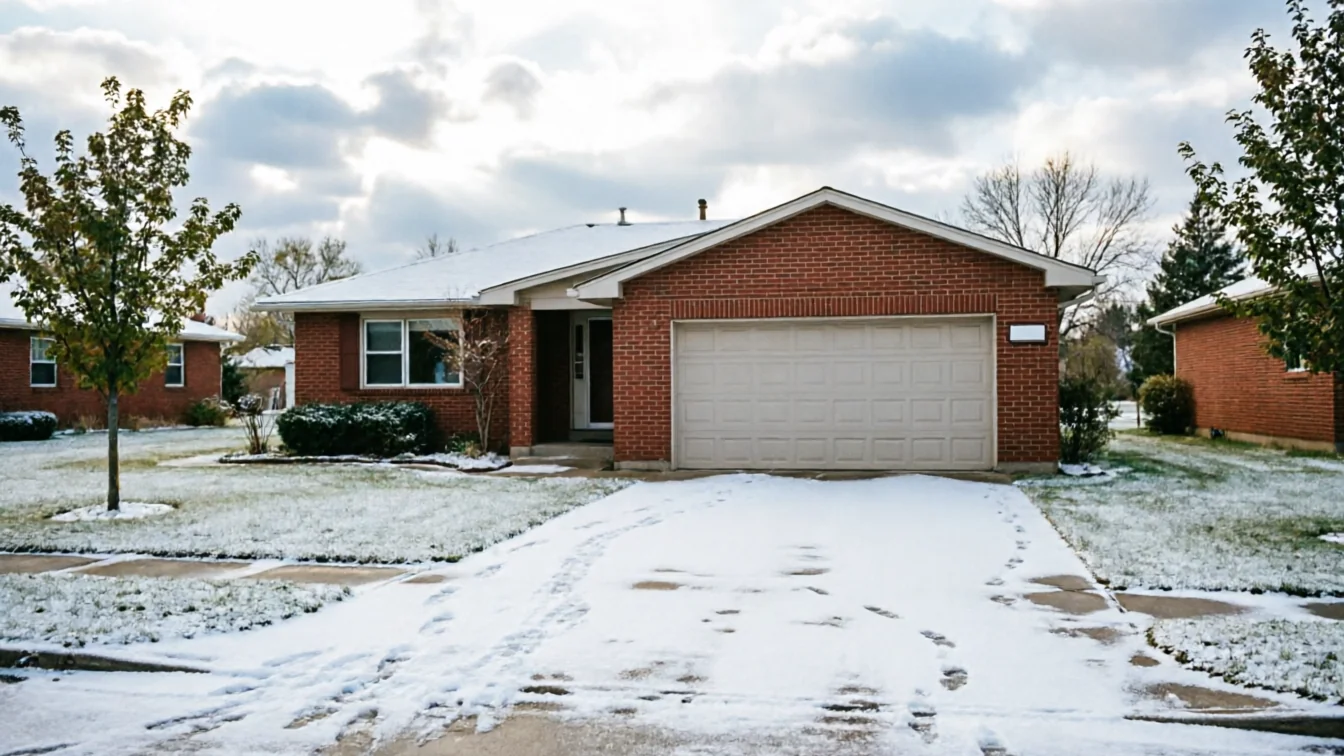
Rolling Meadows homes built mostly in the 1960s and 70s face cold-weather spring failures.
Read moreReady when you are
Rolling Meadows Garage Door Pros repairs and installs garage doors, springs and openers in Rolling Meadows, IL and the surrounding area.