Is Your Old Garage Door Worth Fixing in Rolling Meadows
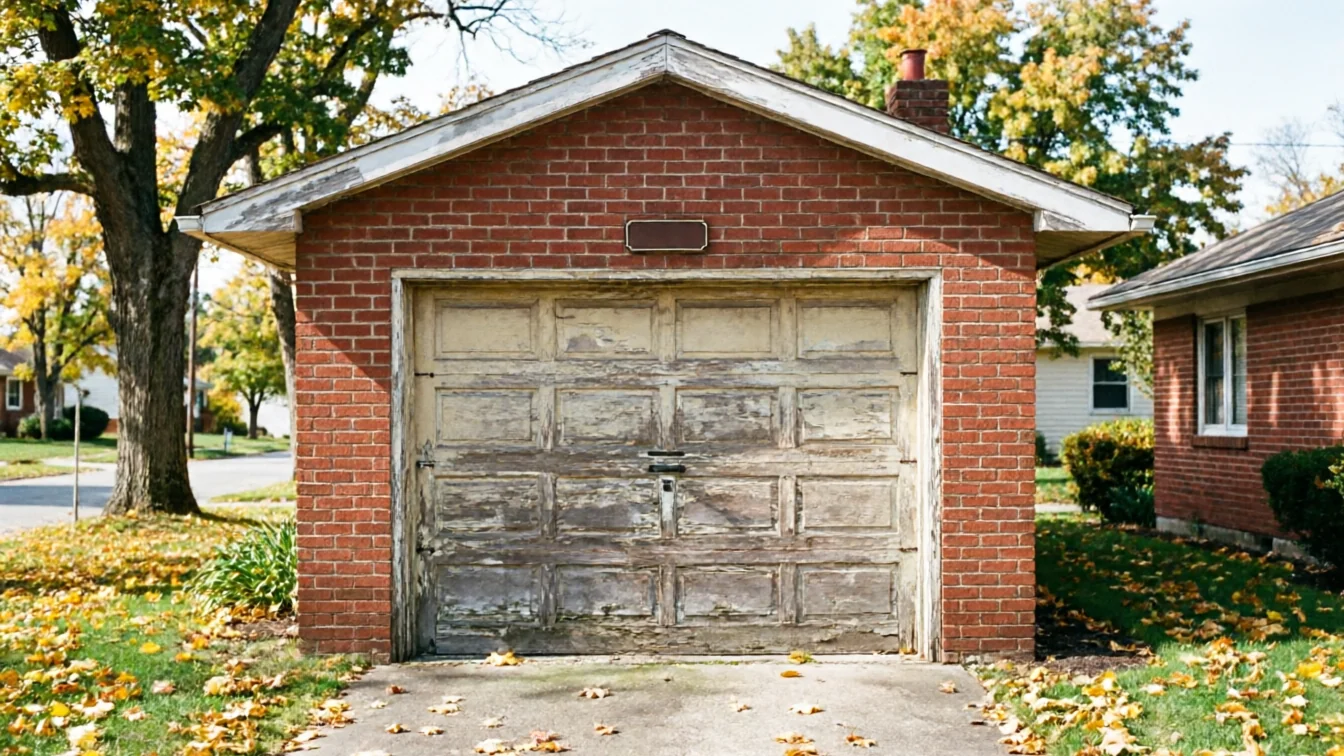
Rolling Meadows homes mostly date to the 1960s and 70s.
Read moreRolling Meadows homes built mostly in the 1960s-70s and severe cold winters create specific door noises. Here's what grinding, popping, and slapping sounds are telling you.
Local detail
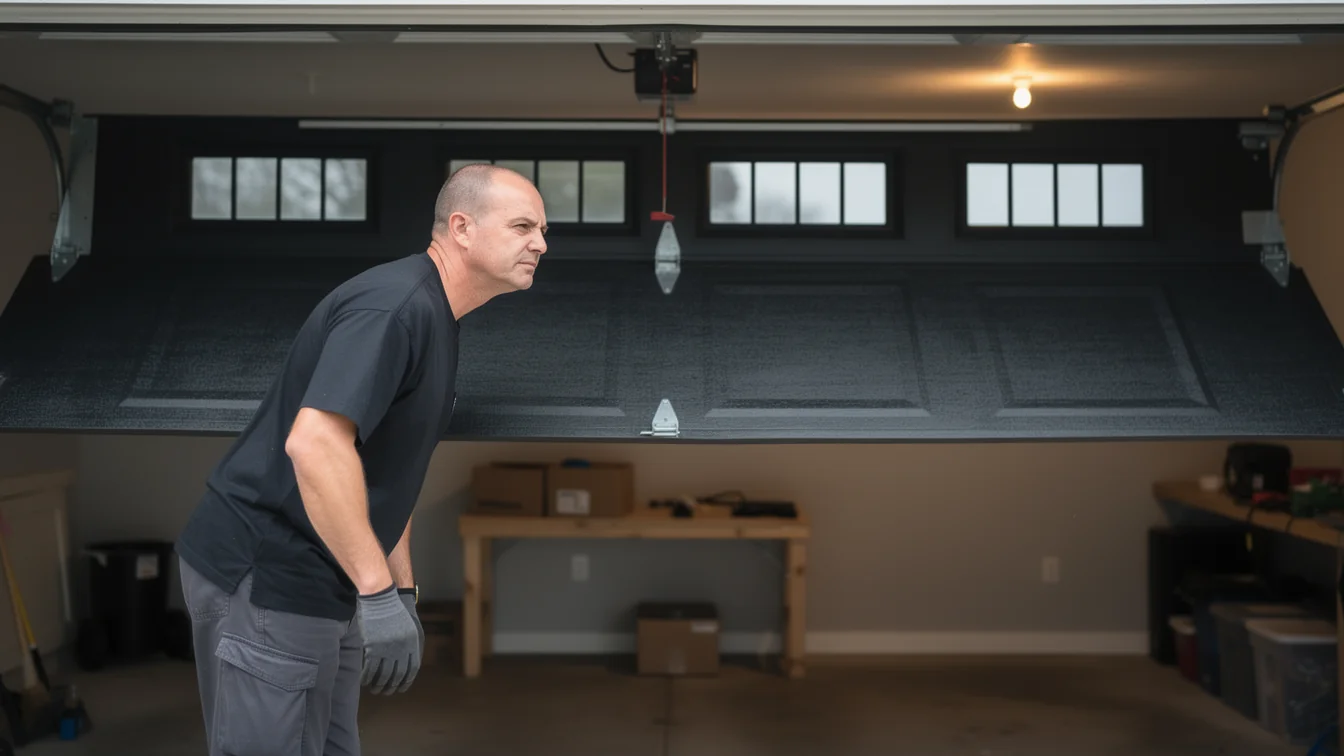
We're not going to list numbers here that don't hold up once someone picks up the phone, because the fix depends entirely on what's making the noise and how old the hardware is. A door from a house built in the 1960s or 70s, which covers most of the area per the housing data, often runs original torsion hardware that nobody stocks new anymore, and a repair on that setup costs more in labor time than swapping a modern spring on a 2005 build. What we can tell you is that the noise itself is diagnostic: a grinding sound usually means a bearing, a sharp bang usually means a cable or spring, and a rhythmic slap almost always means a roller. Knowing which one you've got before the call saves you a wasted trip charge, because some noises are a five-minute tightening job and others mean the whole torsion assembly needs to come off the header. We'll tell you straight if it's the cheap fix or the expensive one before we start, not after.
The area
Housing stock here runs from 1938 up through 2009, with the median landing around 1978, which means on any given street you've got three different eras of garage door hardware doing three different things when they fail. The older end of that range, closer to the 1960s and 70s stock that makes up most of the area, tends to run steel torsion springs mounted on hardware that's been painted over a few times and never touched since installation. That hardware doesn't fail quietly. It fails with a specific sound: a loud pop followed by the door going slack, which is the spring letting go, not the opener. Newer builds toward the 2000s end of the range are more likely to have nylon rollers that squeal before they crack, which is a different noise entirely and a different job. The point is that the sound your door makes is tied to when the house was built and what hardware went in at the time, not to some generic 'garage doors wear out' story. If you know roughly when your house went up, you already know which failure mode you're listening for.
What we find
This area sits in a cold climate zone with severe winters, and steel doesn't behave the same at 10 degrees as it does at 70. Torsion springs lose tension as metal contracts in the cold, so a door that opened fine in October can start groaning or hesitating by January even though nothing physically broke. That groan is the spring working harder than it's calibrated for, not a sign you need a new opener. Tracks do something similar: cold makes the steel channel slightly narrower, which turns a roller that was quiet in summer into one that grinds every time it passes a bent section you didn't notice before because the metal had more give. Lubricant matters more here than in milder places too, since the wrong grease stiffens up in deep cold and actually adds friction instead of cutting it. If your door gets noisier specifically in the coldest stretch of winter and quiets back down by spring, that's the climate talking, not a sign the whole unit is failing. It's worth addressing before the cold sets in rather than during it.
How we work
The mistake we see most is someone hearing a noise, spraying WD-40 on everything shiny, and calling it fixed. WD-40 is a solvent, not a lubricant, and on a track or hinge it actually strips what grease is left and leaves metal running dry. The noise usually comes back worse within a few weeks. The second mistake, more specific to this area's older housing stock, is ignoring a popping or banging sound because the door still opens. On a 1960s or 70s torsion setup, a loud bang is frequently the spring itself failing, and running a door on a half-dead spring puts the full load on the opener's drive gear, which is a part that's a lot cheaper to replace with a spring than to replace along with one. We'll say plainly that not every noise needs a service call. A quiet squeak that comes and goes with temperature is often normal wear you can live with for a while. A bang, a grind that's gotten worse over weeks, or a door that's started drifting off-level are the ones worth getting looked at before they turn into a door that won't open at all.
Questions
Usually not urgent on its own. Steel tracks and torsion springs behave differently in severe cold, and a grind that shows up in the coldest stretch and fades by spring is often the metal contracting against a roller or a track section that's slightly out of alignment. Keep an eye on it, but it's not the same as a sudden bang or a door going slack.
Housing in this area was built anywhere from 1938 up through 2009, so hardware eras vary block to block. Older torsion setups common in 1960s-70s builds tend to pop or bang when a spring finally gives out. Newer builds more often have nylon rollers that squeal before they crack. Same house, different failure mode, different sound.
No, and this is the mistake we see most. WD-40 is a solvent, and it strips existing lubricant off metal rather than replacing it. The noise often quiets for a day or two, then comes back louder. A proper lubricant made for garage door hardware holds up, especially through a cold winter.
A loud, sudden bang, especially on an older torsion setup, is the classic sign of a spring letting go. If the door also feels noticeably heavier to lift by hand afterward or goes slack on the opener, that confirms it. Don't keep running the opener on a dead spring, since it shifts the full load onto the drive gear.
Recommendation
More garage door guides for Rolling Meadows homeowners.
Rolling Meadows homes mostly date to the 1960s and 70s.
Read more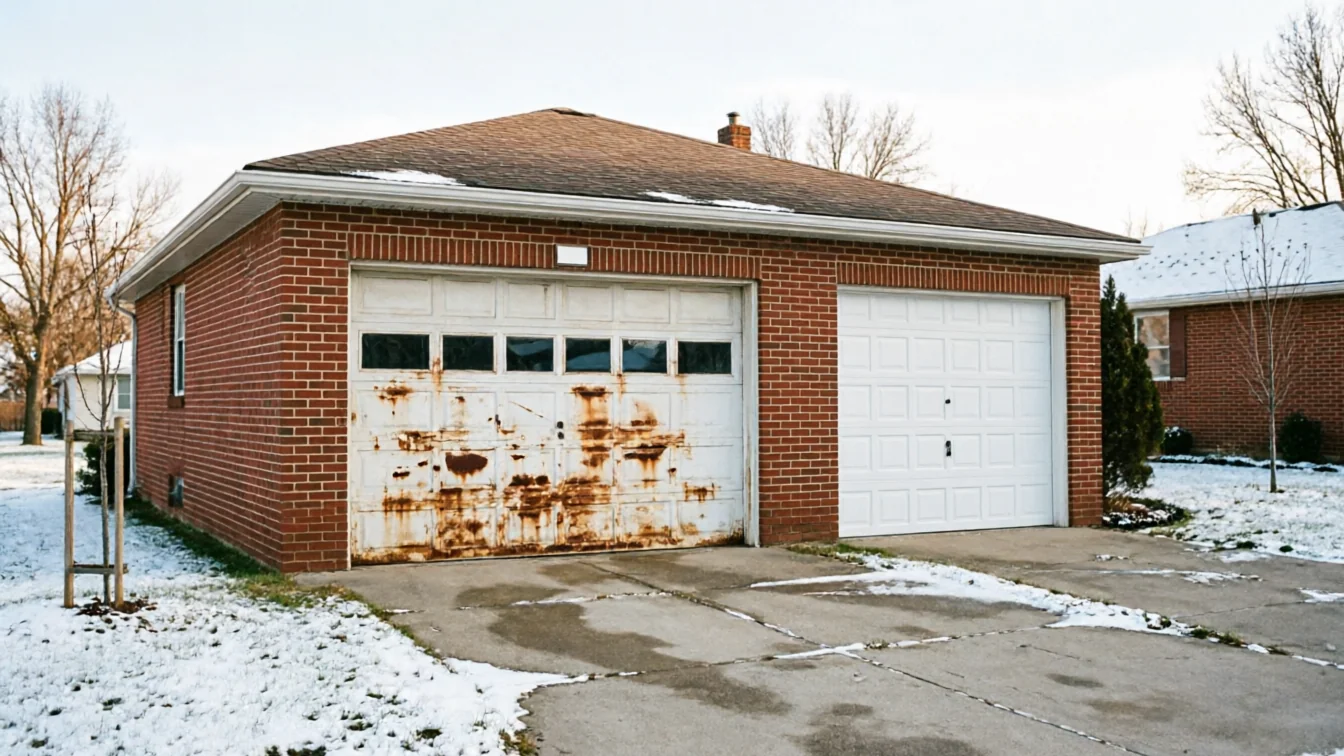
Rolling Meadows homes mostly date to the 1960s-70s building boom.
Read more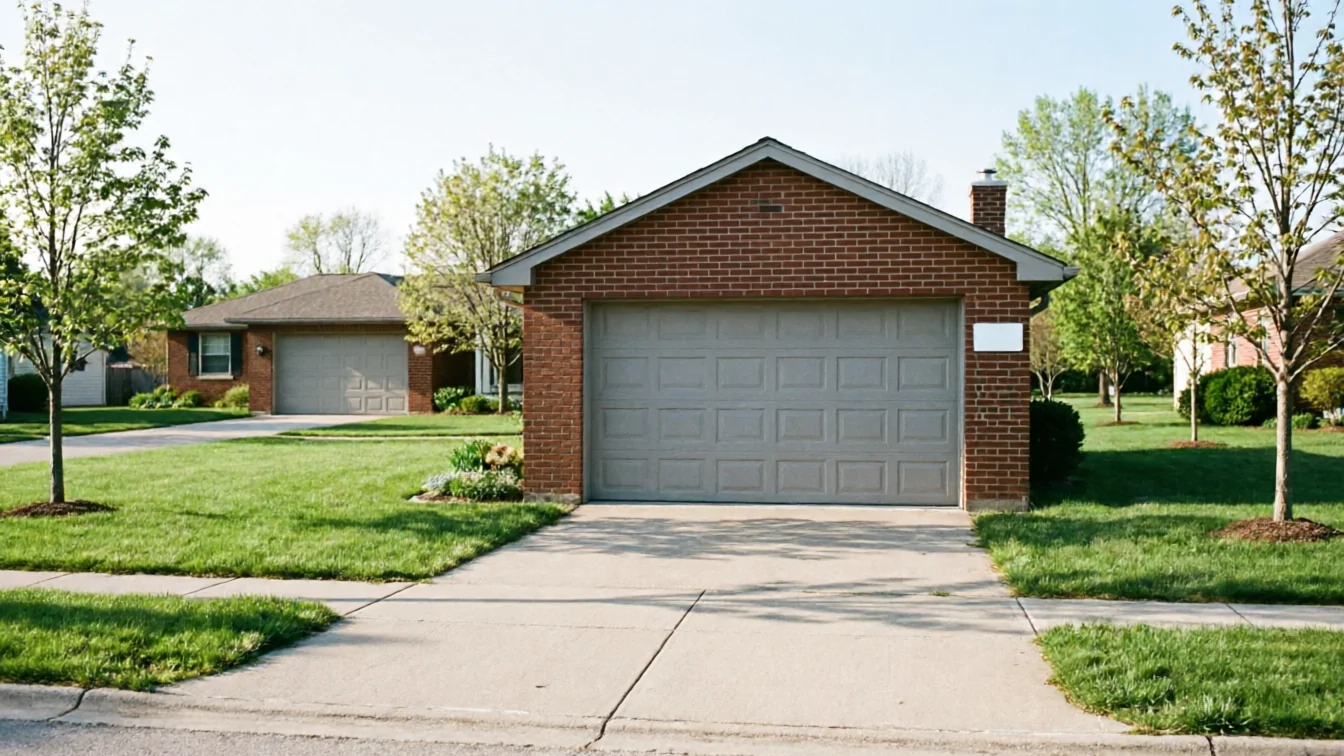
Rolling Meadows homes built 1938-2009 mix attached and detached garages.
Read moreReady when you are
Rolling Meadows Garage Door Pros repairs and installs garage doors, springs and openers in Rolling Meadows, IL and the surrounding area.