Rolling Meadows, IL
Garage Door Service for Rolling Meadows's 1960s and 70s Housing Stock
Rolling Meadows homes mostly date to the 1960s and 70s, and severe cold winters wear out springs and seals fast. Here's what actually breaks and why.
Popular Services
What Causes It Around Here
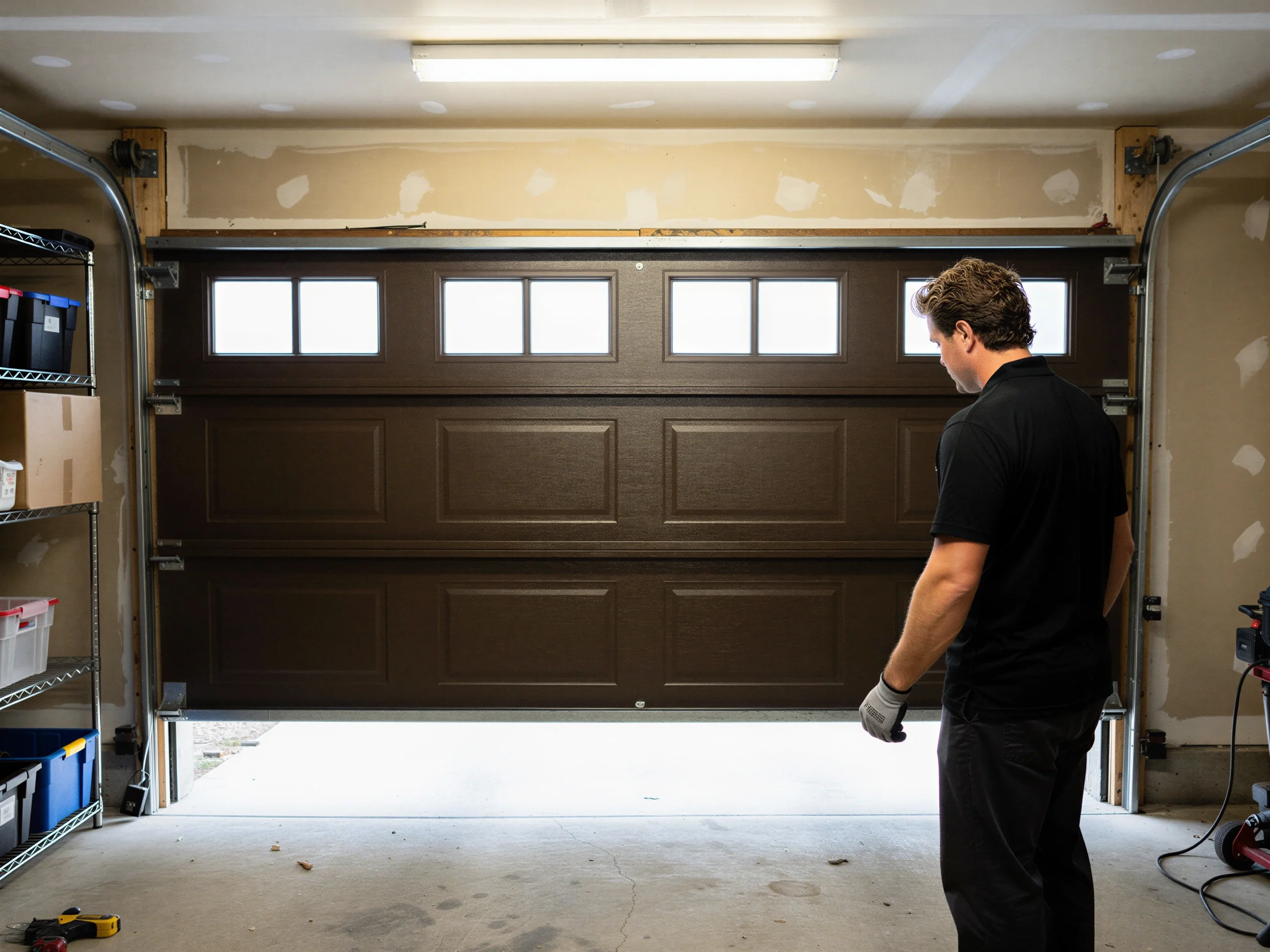
Most of the garage doors we get called on in Rolling Meadows sit on houses built in the 1960s and 70s, with the overall local stock running from 1938 up through 2009 and a median build year around 1978. That matters because a door installed when the house went up is now 45 to 60 years old, and the torsion springs, hinges, and tracks from that era weren't built for today's heavier insulated panels if an owner ever swapped the door out.
On top of the age factor, this area sits in a severe cold climate band, and that's the bigger driver of service calls. Steel contracts in deep cold, so bottom seals that were fine in October split in January. Grease in old bearings and rollers stiffens up, which throws extra load on a spring that's already near the end of its cycle count. We see openers straining to lift a door that's gone heavier from ice buildup on the bottom panel, and torsion springs snapping on the first sub-zero morning after a mild stretch because the metal fatigue was already there.
Put those two things together - older hardware and hard winters - and you get a predictable pattern: failures cluster in the cold months, and they cluster on doors that have never had the springs or seals touched since the house was built.
The Symptom
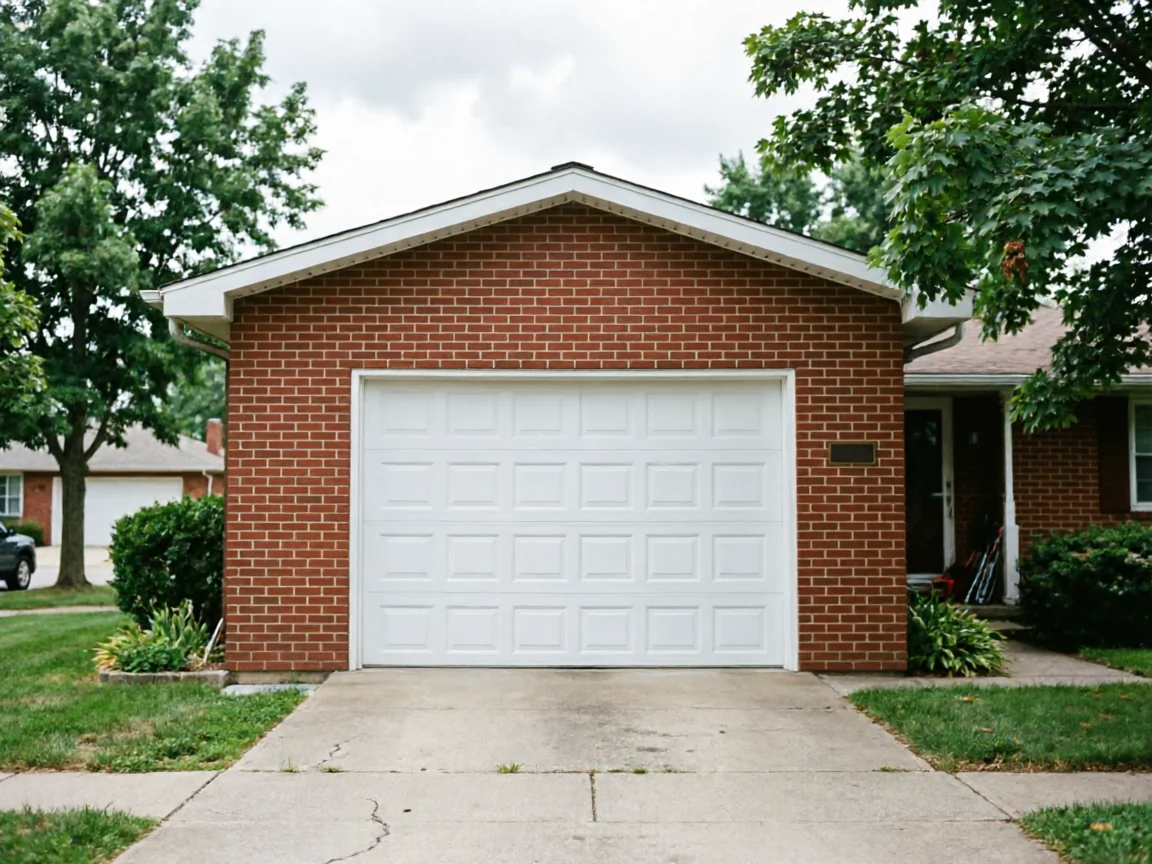
The most common call we get is a door that won't fully close, or one that closes and then pops back open a few inches on its own.
Cold-drifted force settings
In a severe cold climate, that's almost always the travel limit or the close-force setting drifting because cold-stiffened rollers and a tired spring are fighting the opener's sensors. The opener reads the extra resistance as an obstruction and reverses. Second most common: a loud bang from the garage followed by a door that won't move at all, or moves but feels like it's being lifted by hand even with the opener running.
Non-standard spring sizing
That's a broken torsion spring, and on the older torsion hardware still in a lot of Rolling Meadows garages built in that 1960s-70s window, it's a specific size and winding that not every parts truck carries. Third: grinding or a door that runs crooked on one side.
Crooked running is unsafe
That's usually a cable or roller that's gone brittle in the cold, pulling unevenly and chewing at the track. None of these are cosmetic - a door running crooked under power is a safety issue, not just a noise issue, and it tends to get worse fast once it starts.
The DIY Question
A torsion spring is not a DIY repair. It's wound under enough tension to break bones, and that's true whether the door is three years old or forty.
Bang and no lift
If you hear the bang and the door won't lift, call it in rather than reaching for a wrench. What you can check yourself: the bottom seal, and whether the door is closing level. In this climate band, a cracked or flattened bottom seal lets cold air and meltwater into the garage all winter, and it's a cheap part to replace yourself if you can get to it before the cold sets the rubber hard.
Clearing track ice
You can also clear ice and debris from the track so the rollers aren't fighting it on top of everything else. What we'd tell you not to touch: the spring, the cables, and anything involving adjusting the opener's force settings past the manufacturer default.
Force settings masking wear
On an older torsion setup from a house in that 1960s-70s build range, the hardware sizing can be non-standard, and cranking force settings to compensate for a weak spring just masks the real problem until it fails outright, usually at the worst time - a sub-zero morning when you need to get out.
How Long You Are Without the Door
A straightforward spring replacement is usually a same-visit job once the part is confirmed - we carry common sizes on the truck. Where it stretches out is when a door built for that older, lighter-weight panel era needs a size or winding we don't carry stock for, which happens more often on the original hardware from houses at the early end of the 1938-2009 build range. In that case you're waiting on a part order, not on us standing around.
Opener boards and circuit issues tend to be the other delay point. We don't stock every control board for every opener era, and a door that's original to a 1960s or 70s build may have had two or three openers through its life, each with different parts behind it.
One honest limit: if a door has gone crooked on the track and the panel itself is bent, we're not going to tell you a spring swap fixes it. At that point you're looking at panel or full door replacement, and we'll say so rather than patch it and have you calling back in a month.
Questions
Common questions
Why did my garage door spring break on such a cold morning?
Cold steel loses flexibility, and a spring that's already near the end of its fatigue life often lets go on the first hard freeze after a milder stretch. In this severe cold climate band, that pattern shows up every winter, especially on torsion springs that have never been replaced since the house was built.
Is it normal for my door to reverse right before it closes?
It's common but not something to ignore. Cold-stiffened rollers and a weakening spring add resistance the opener's sensors read as an obstruction, so it reverses. Left alone, that usually ends in the opener straining harder or a spring breaking outright.
My house is older - does that affect what parts you carry?
Yes. Houses here mostly date to the 1960s and 70s, with some stock going back to 1938, and original torsion hardware from that range isn't always a size we keep on the truck. If yours is non-standard, we'll confirm the part and get it ordered rather than guess.
Explore more
Explore More Services In Rolling Meadows, IL
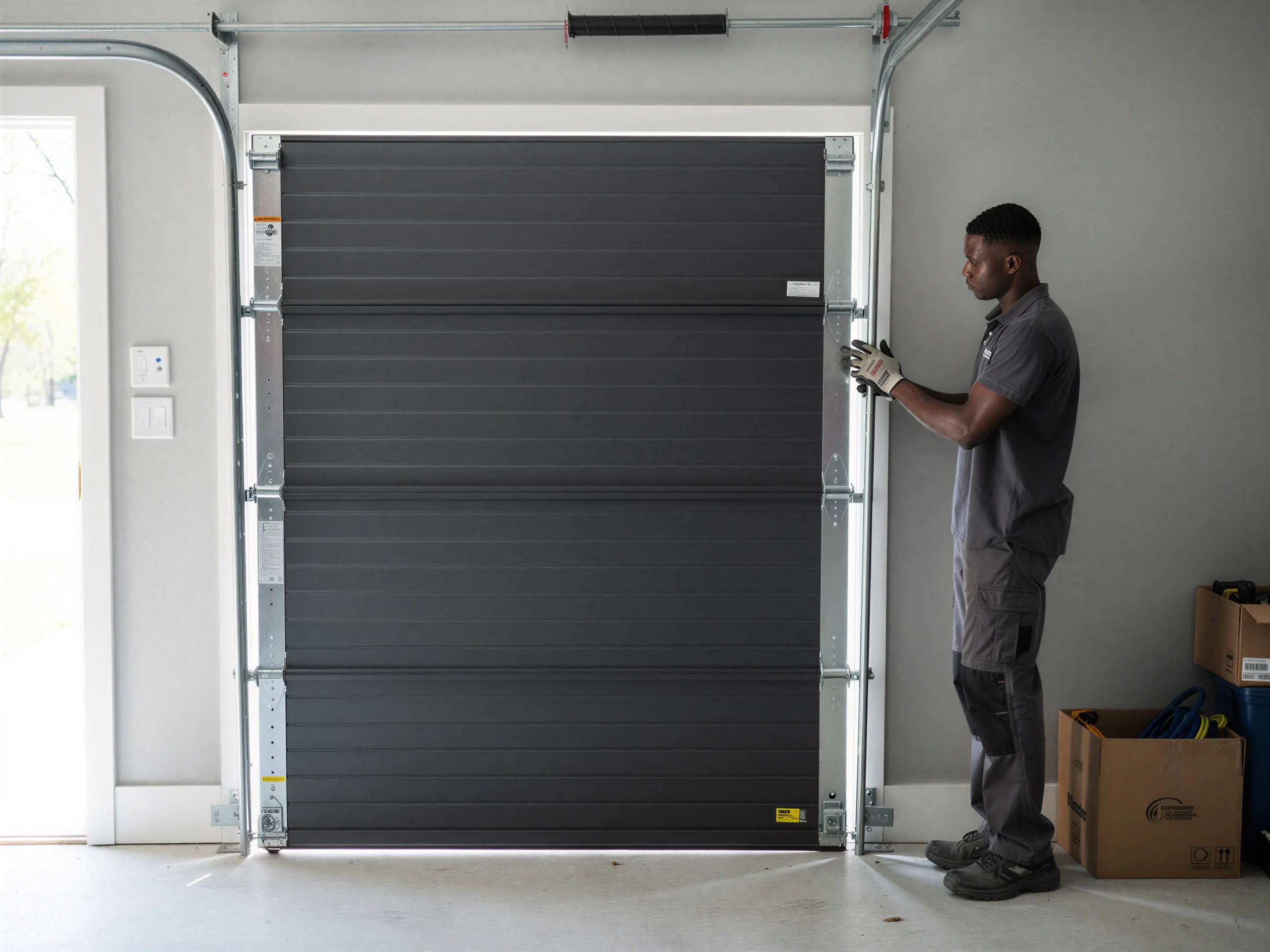
Garage Door Installation for Rolling Meadows Homes
New garage door installation in Rolling Meadows, IL, matched to the area's 1960s-70s split-levels and ranches built to handle Chicago-area cold winters. Learn more →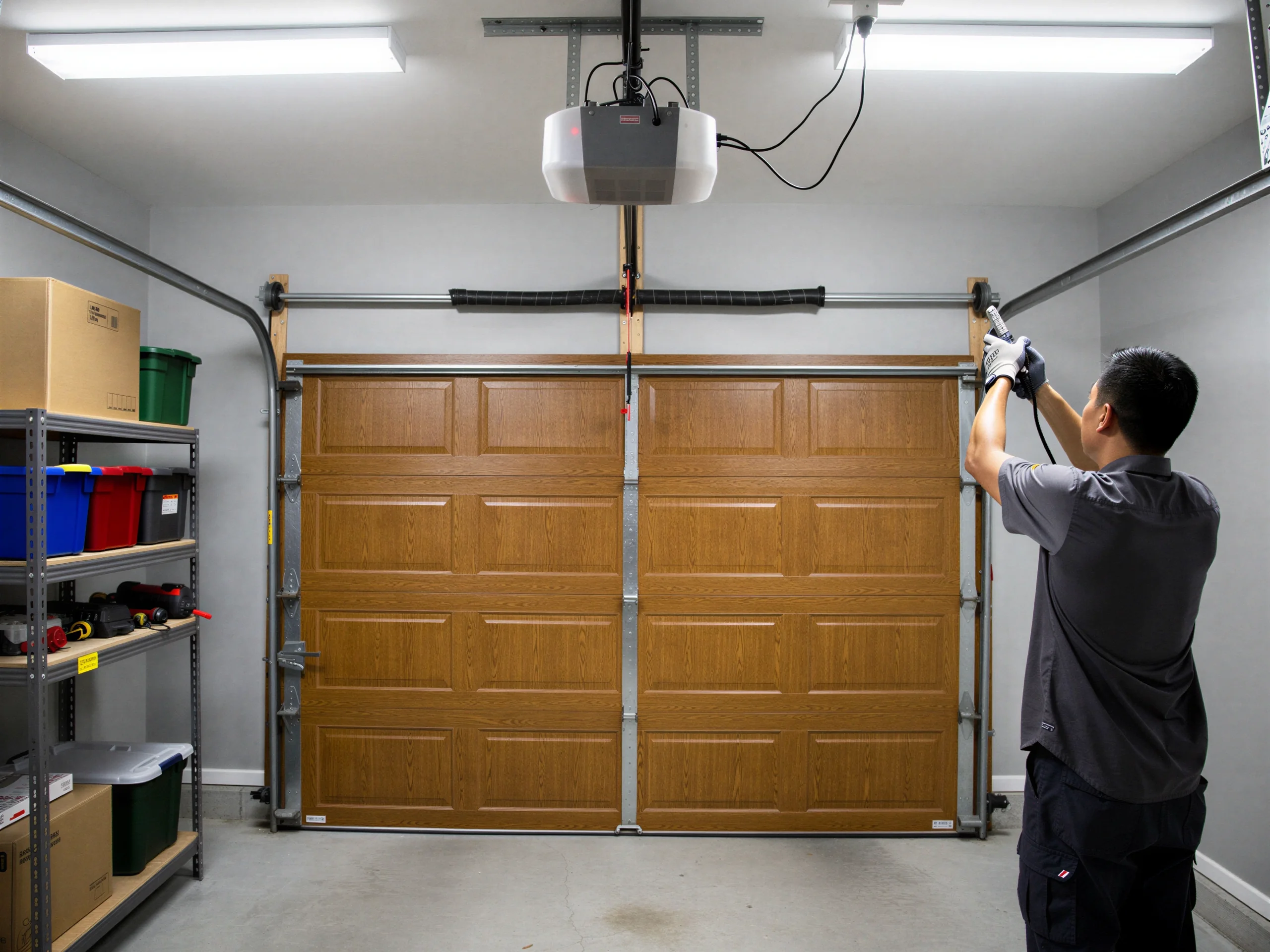
Garage Door Opener Installation Around Rolling Meadows
Opener installs for Rolling Meadows homes built mostly in the 1960s and 70s, sized for cold-climate doors and older framing. Learn more →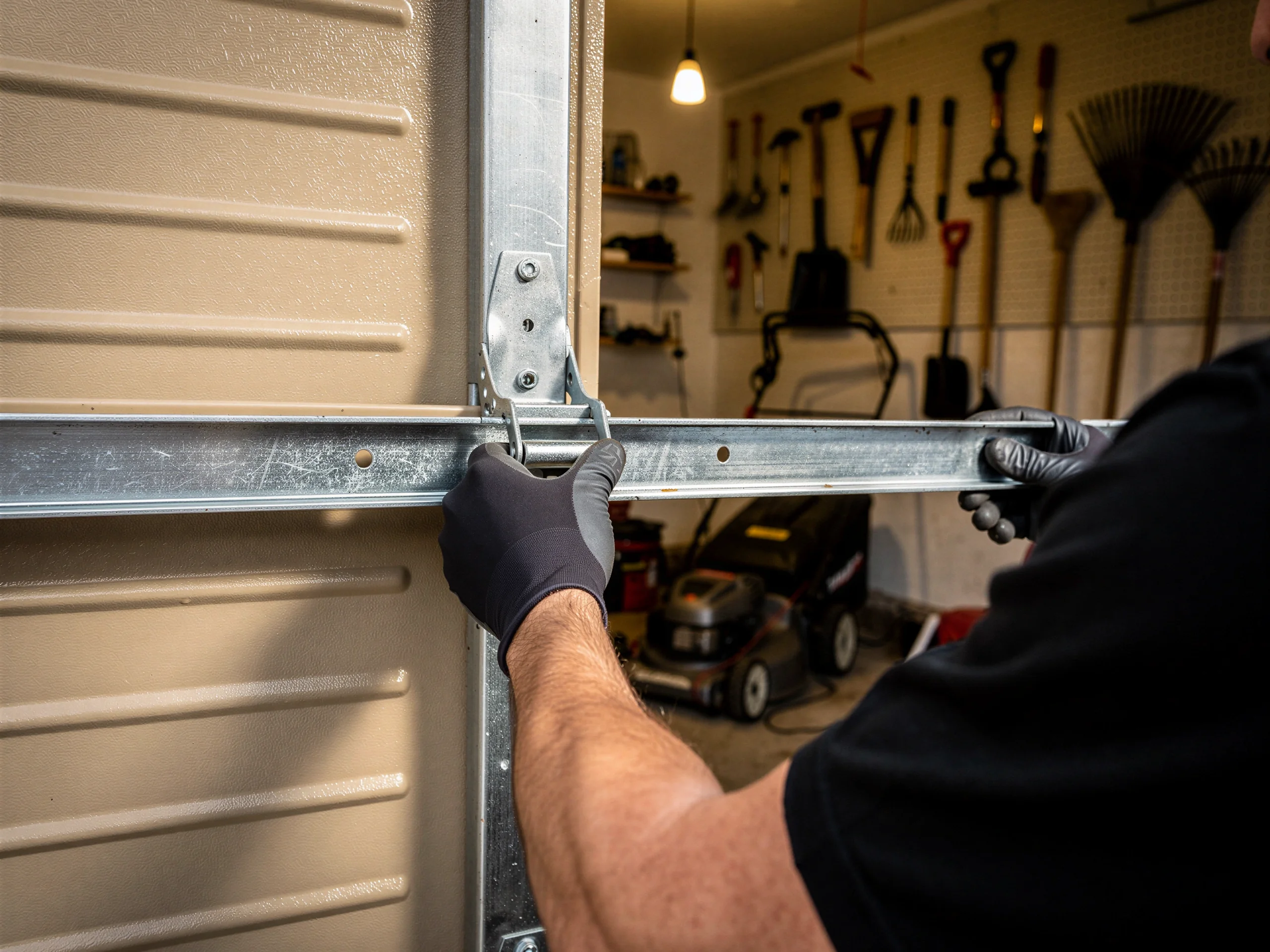
Garage Door Repair for Rolling Meadows Homes
Torsion springs, off-track doors, and cold-snapped cables on Rolling Meadows's 1960s-70s housing stock. Learn more →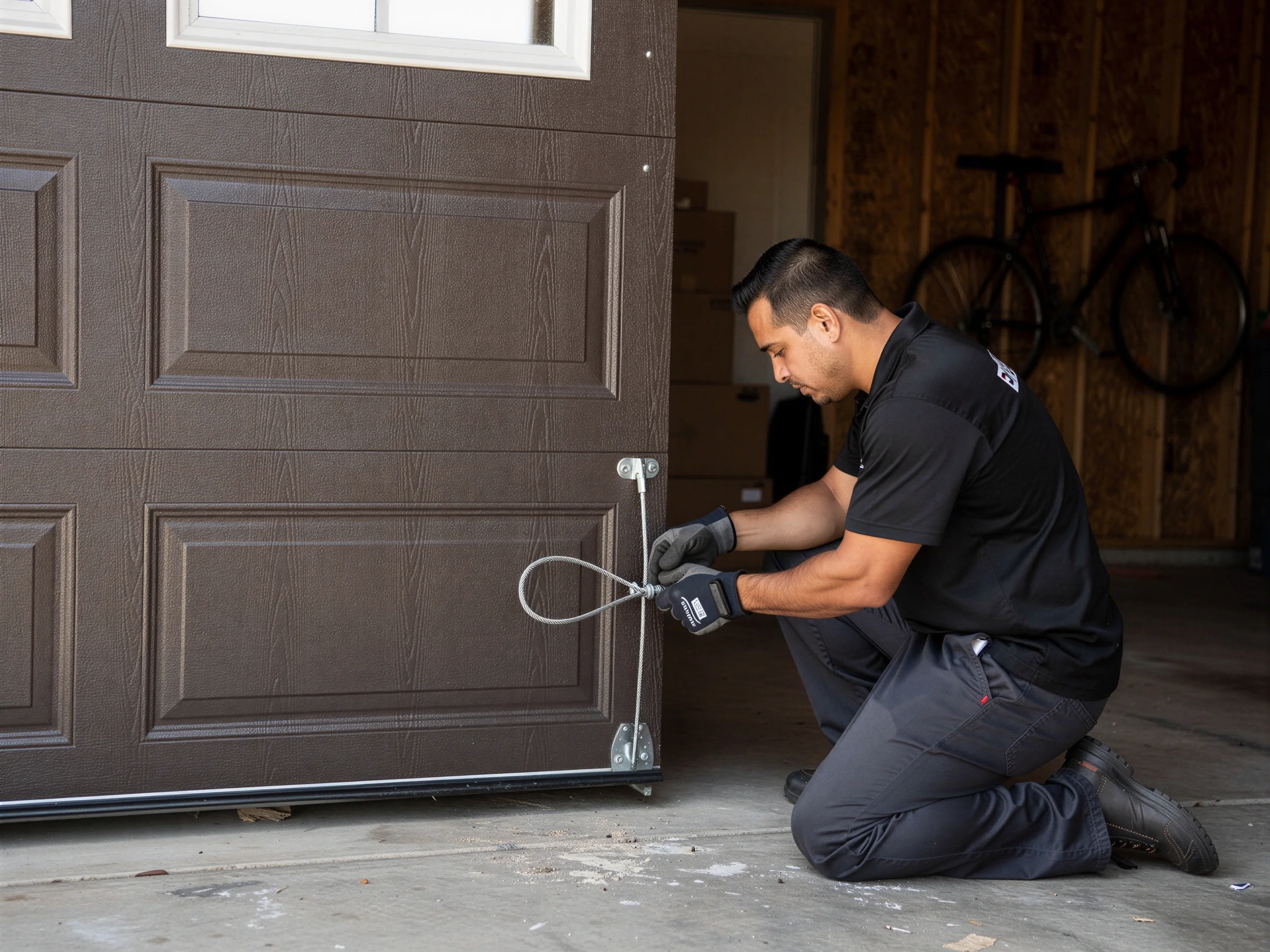
Garage Door Cable Repair for Rolling Meadows Homes
Broken or frayed garage door cables are common on Rolling Meadows's 1960s-70s housing stock after a cold winter. Learn more →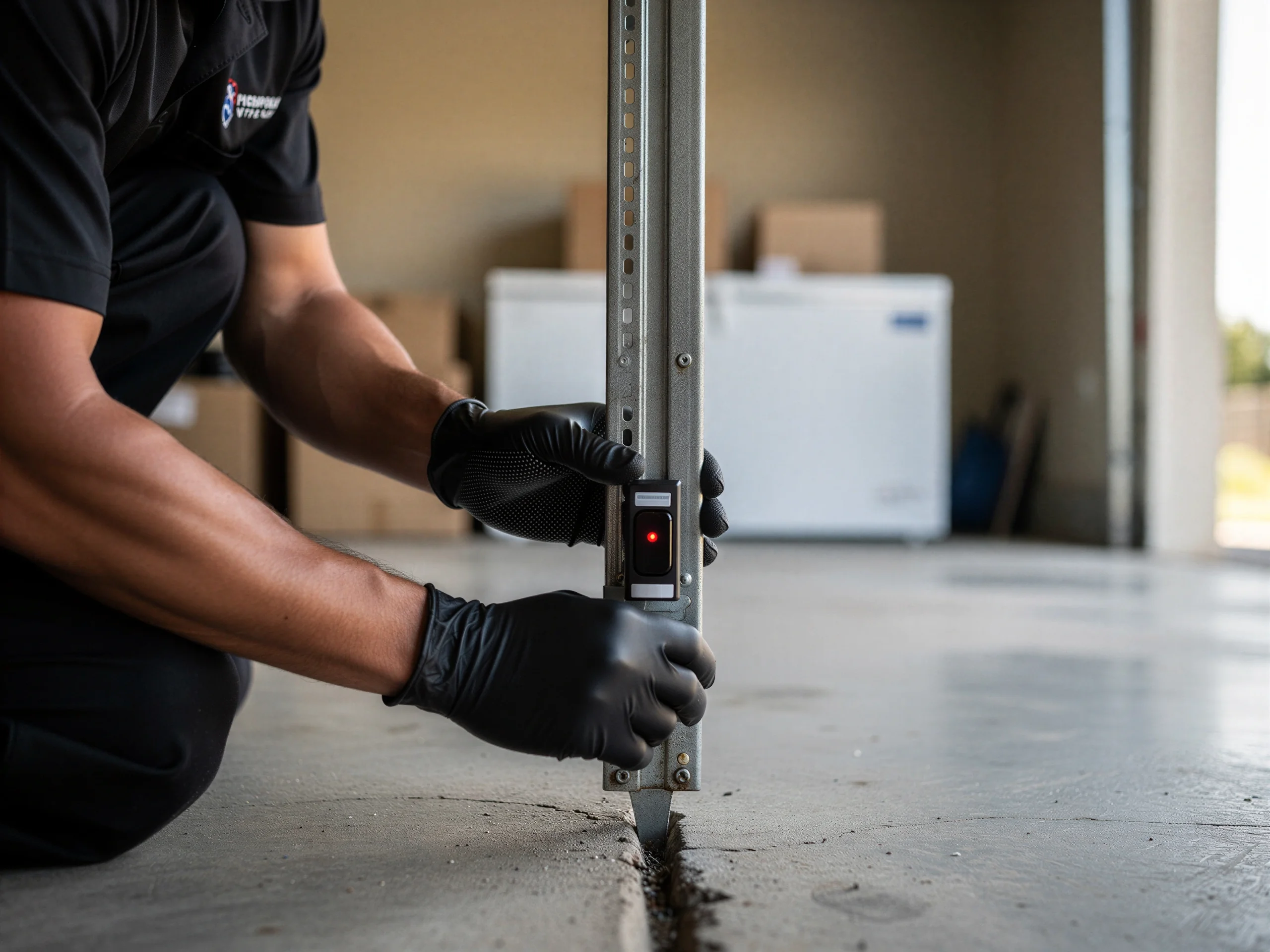
Garage Door Opener Repair for Rolling Meadows Homes
Opener grinding, stalling, or not responding to the remote? Learn more →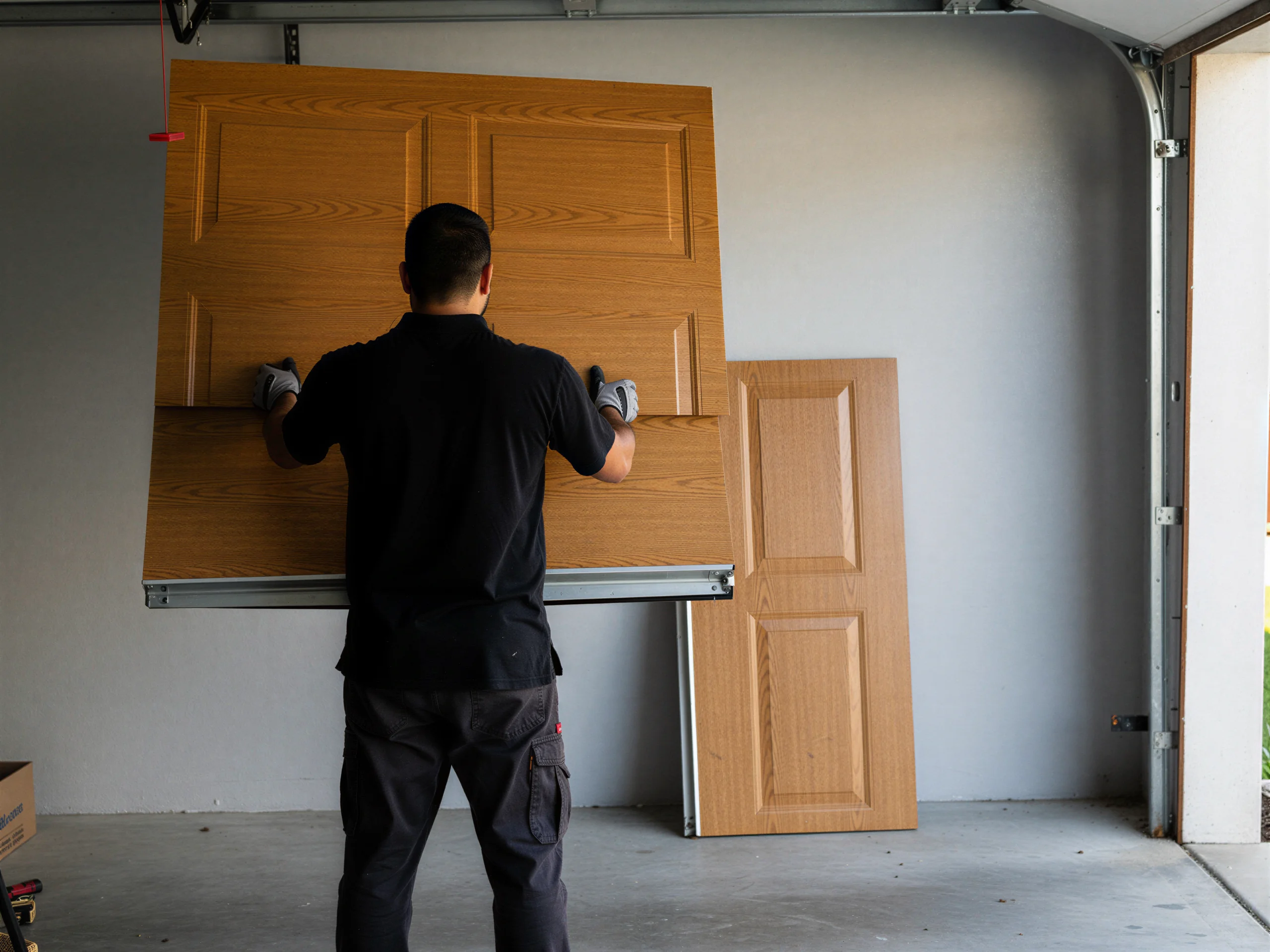
Cracked or Dented Garage Door Panels in Rolling Meadows
Dented or cracked garage door panels are common on the 1960s-70s steel doors around Rolling Meadows. Learn more →Ready when you are
Need garage door service in Rolling Meadows?
Rolling Meadows Garage Door Pros repairs and installs garage doors, springs and openers in Rolling Meadows, IL and the surrounding area.