Libertyville, Rolling Meadows
Garage Door Repair for Libertyville's 1970s Housing Stock
Most Libertyville houses date to the mid-1970s, with springs and openers rated for Chicago-area cold due for replacement. Rolling Meadows covers the run.
Popular Services
The Symptom
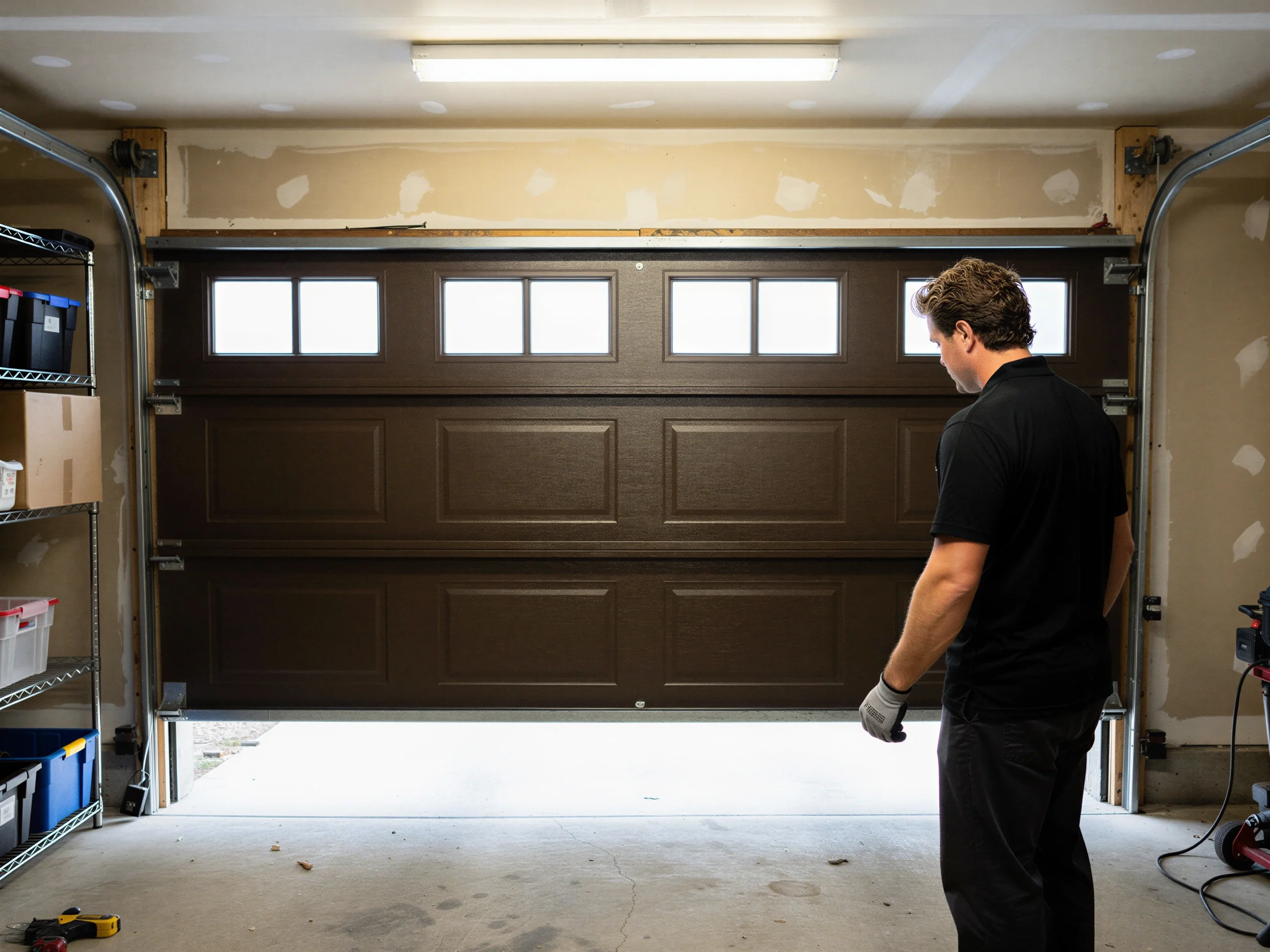
The call we get most from Libertyville starts the same way: the door creeps up a foot and stops, or it drops the last few inches instead of settling.
Torsion spring wind loss
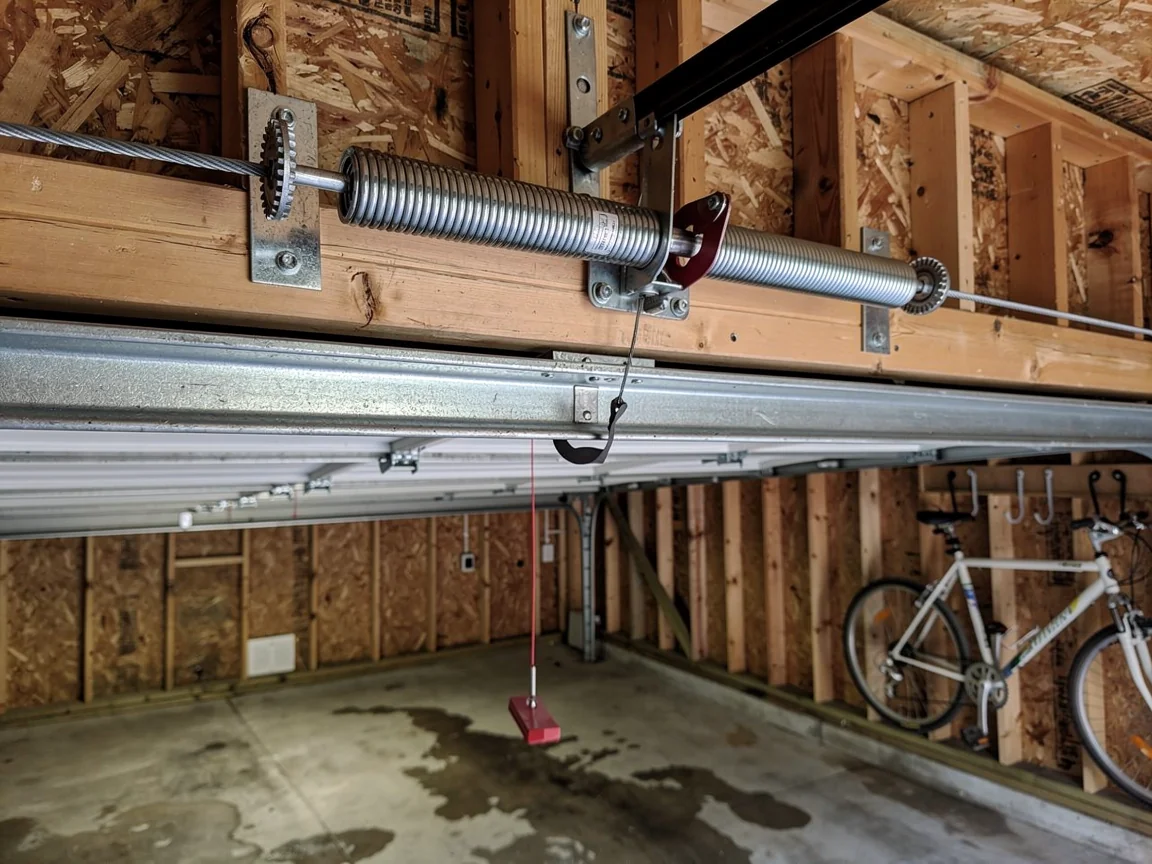
That's a torsion spring losing its wind, not an opener problem, even though the opener usually gets blamed first. Libertyville's housing stock centers on a median build year of 1976, which means a lot of these doors are original or close to it.
Springs sized for older doors
Steel sectional doors hung on torsion springs sized for a door that weighed less when it was new, or for a different climate than the one it's actually sitting in. Fifty years of cold-season cycling wears a spring down well before the door itself looks worn.
Era-wide fault pattern
We see the same fault pattern across the 1960s-70s housing that makes up most of this part of the territory - it's not unique to one street, it's unique to the era.
What You Pay
We're not going to put a number here we can't back up, because what a job costs depends on the door, the spring size, and whether the opener needs work too.
Standard spring cost factor
What we can tell you is what drives the cost up or down in a town like this: a 1970s-era door usually takes a standard torsion spring, which is cheaper and faster to source than the odd sizes you find on newer custom doors.
Replace versus repair choice
Libertyville's median household income runs well above the rest of our service area - $162,270 against $113,125 area-wide - and what that tends to mean in practice is more owners choosing to replace an aging insulated steel door outright rather than keep patching an original panel.
Repairs on compromised doors
Both are legitimate calls. A repair on a sound door frame is usually the better value; a repair on a door that's already dented, rusted at the bottom panel, or missing insulation is often money spent twice.
How Long You Are Without the Door
We run this job from Rolling Meadows, about 15 miles out, so we build the drive into how we schedule the visit rather than promising a same-hour arrival we can't guarantee from that distance. For a spring swap or cable replacement, the repair itself is usually quick once the truck is there - the time that adds up is diagnosis plus parts.
Here's the honest limitation: if the door needs a part that isn't a standard torsion spring or roller - say, an opener circuit board for a less common brand, or a replacement panel to match an older color run - that part may need to be ordered, and that can stretch the job into a second visit. We'd rather tell you that up front than promise a one-trip fix and miss it.
Where This Job Goes Sideways
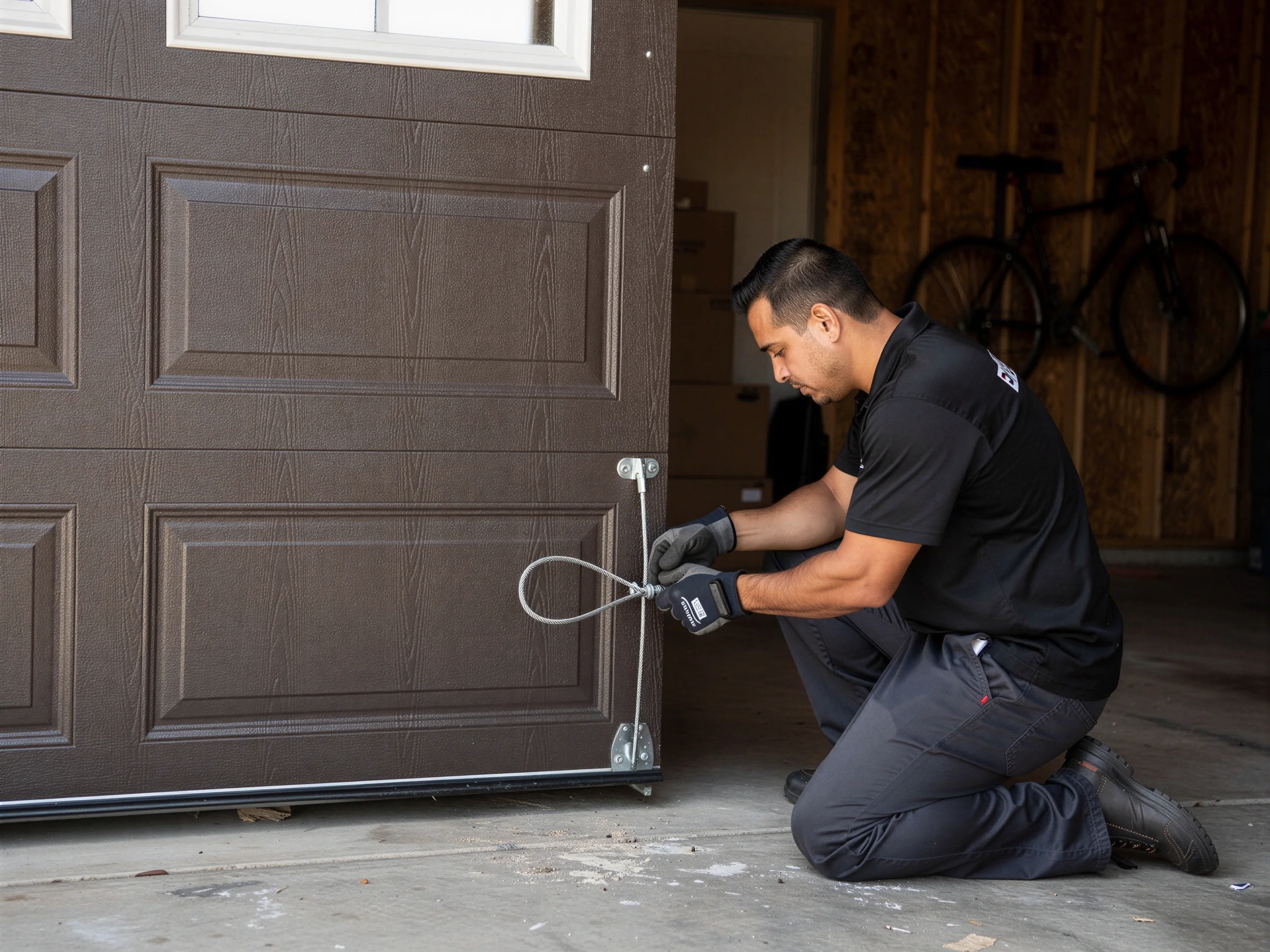
The job goes sideways when someone tries to force a stuck door instead of calling it in. A spring under tension that lets go while a homeowner is lifting the door by hand is the single most common injury story in this line of work, and it happens more on older doors because the spring has already weakened past the point of giving any warning.
It also goes sideways on doors from this build era when the opener has been replaced at some point but the track and hinges haven't. A newer opener forcing an old, slightly bent track works until it doesn't, and then you get a door that binds halfway up instead of a clean failure you can diagnose in one visit. Winters here sit in the same severe cold band as the rest of the territory, so cold-stiffened hardware that's already out of alignment tends to fail on the first hard freeze rather than gradually.
How We Fix It
We start by identifying whether the fault is the spring, the cable, the track, or the opener - they produce similar symptoms but need different fixes, and swapping the wrong part doesn't solve anything.
Check torsion wind first
On a 1970s-era door, that usually means checking torsion spring wind and cable wear first, since that's the hardware most likely to have reached the end of its life.
Size spring to weight
For doors still on original or near-original hardware, we size the replacement spring to the door's actual current weight, not just to what the manufacturer spec would have said in 1976, because insulation retrofits and panel repairs over the years change that number.
Fix bent track together
If the track or hinges are bent from years of a mismatched opener forcing the door, we address that at the same time rather than leaving it to undo the new spring's work.
Parts We Carry
We stock standard torsion springs in the sizes that fit the sectional steel doors common to 1960s-70s construction, since that's what shows up most often in this part of the territory. That covers the bulk of the spring and cable work without a special order.
What we don't keep on the truck is anything custom to a specific door brand or an older color-matched panel - those get ordered once we've confirmed the exact model on site. If your door is one of the less common setups, we'll tell you that at the first visit rather than after we've already started the job.
Questions
Common questions
Why does my garage door spring keep breaking faster than my neighbor's?
If both houses date to the same era, it usually comes down to cycle count and spring size, not the brand. A spring sized for a lighter door than yours actually is, or one that's been cycled through a lot of cold winters, wears out faster even on an identical-looking door next door.
Do you have a shop in Libertyville?
No. We're based in Rolling Meadows and cover Libertyville as part of our service area, about 15 miles out. We schedule the drive into the job rather than promising a local response time we can't back up.
Is it worth repairing an original 1970s door or should I replace it?
If the frame, panels, and track are sound, a spring or cable repair is usually the better value. If the door already has rust, dents, or no insulation, you may be paying for a repair now and a replacement later anyway - we'll tell you honestly which situation yours is in.
Will a part need to be ordered for my repair?
Standard torsion springs and rollers for doors from this build era are usually on the truck. Less common parts - certain opener boards, color-matched panels - sometimes need to be ordered after we've confirmed the exact model on site, which can mean a second visit.
Explore more
More Services in Libertyville
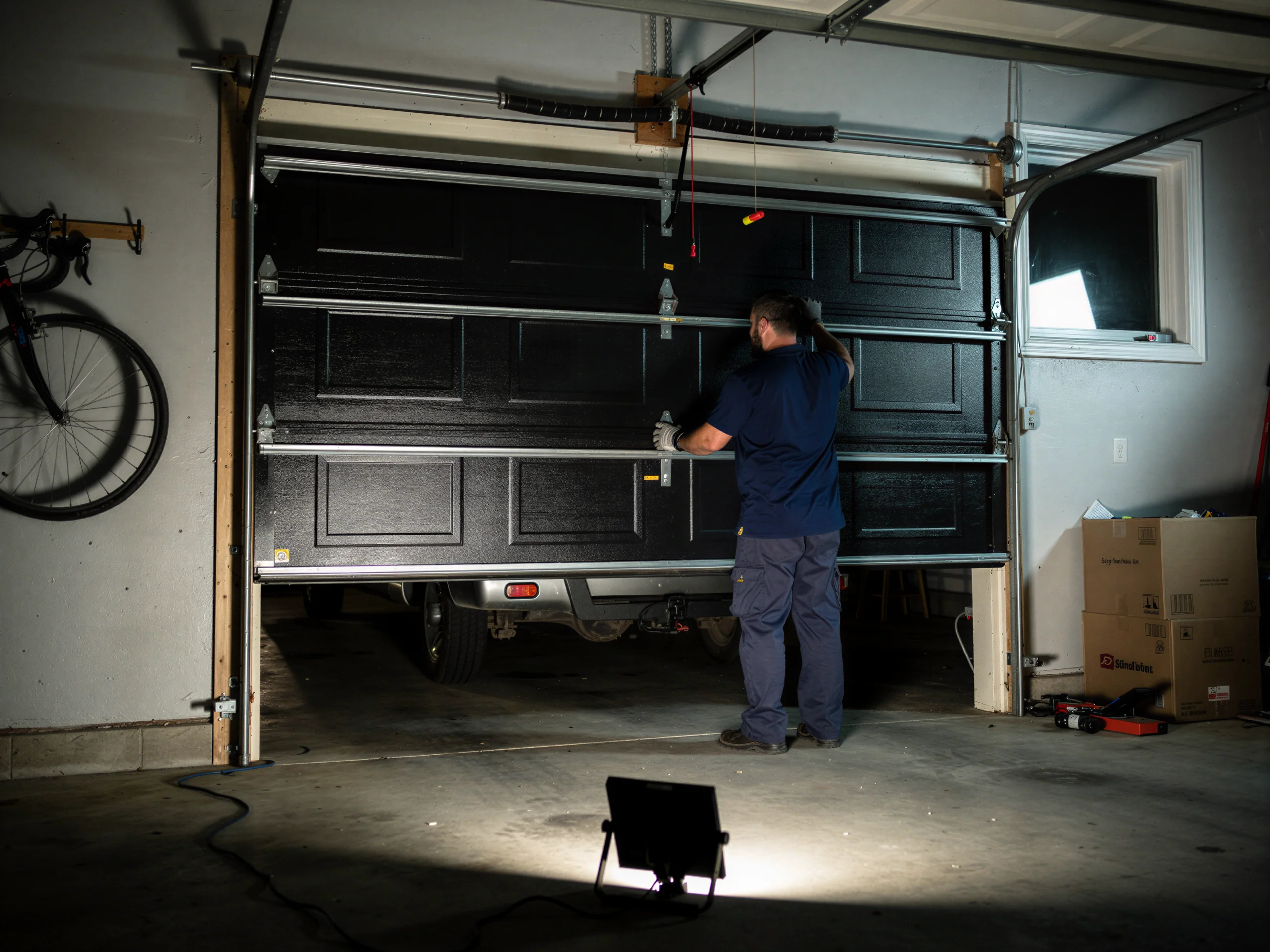
Emergency Garage Door
Garage doors in Libertyville, IL mostly date to the mid-1970s, which means extension-spring hardware. Learn more →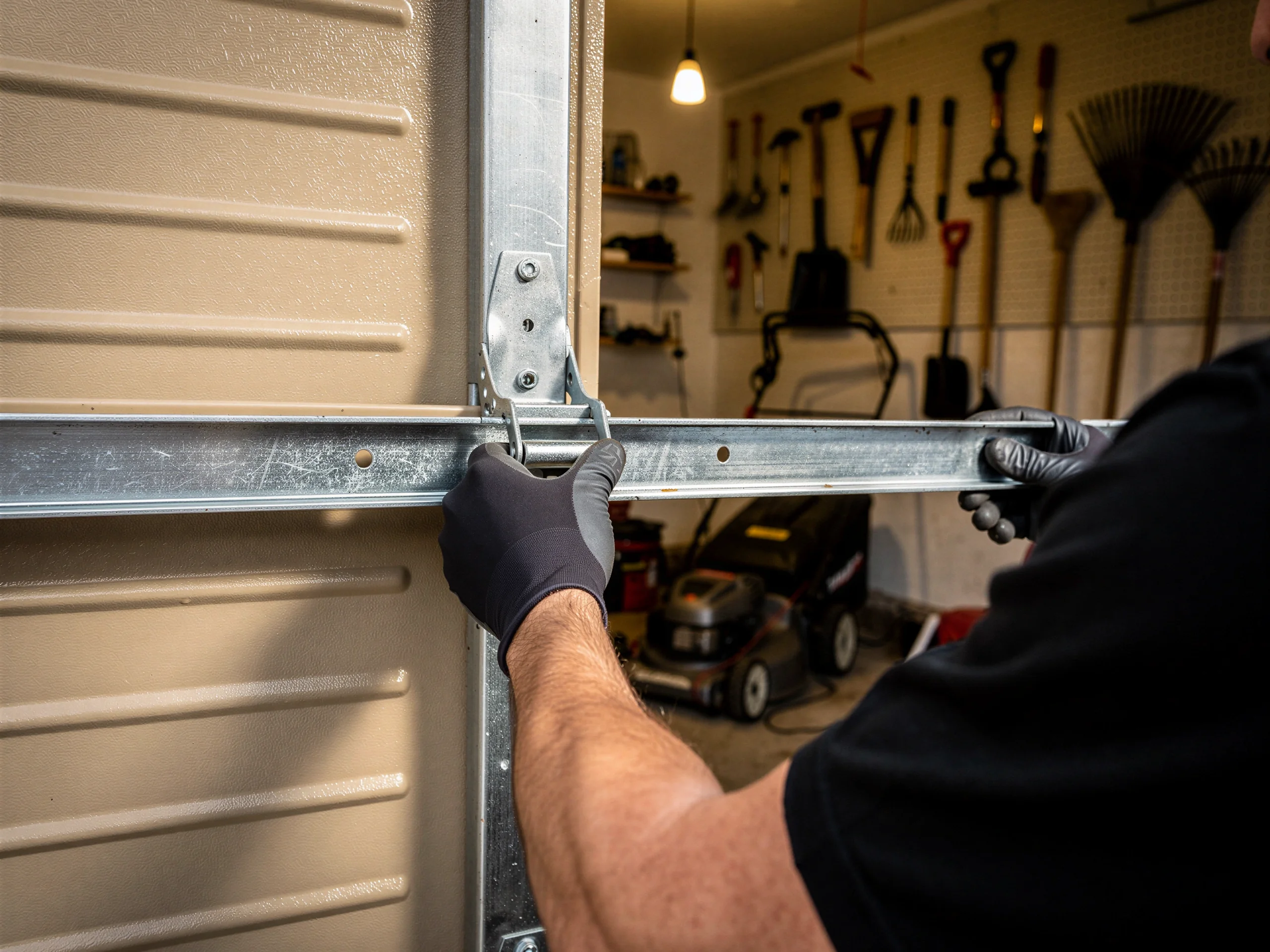
Garage Door Repair
Libertyville's typical home dates to 1976, right in the middle of the area's extension-spring era. Learn more →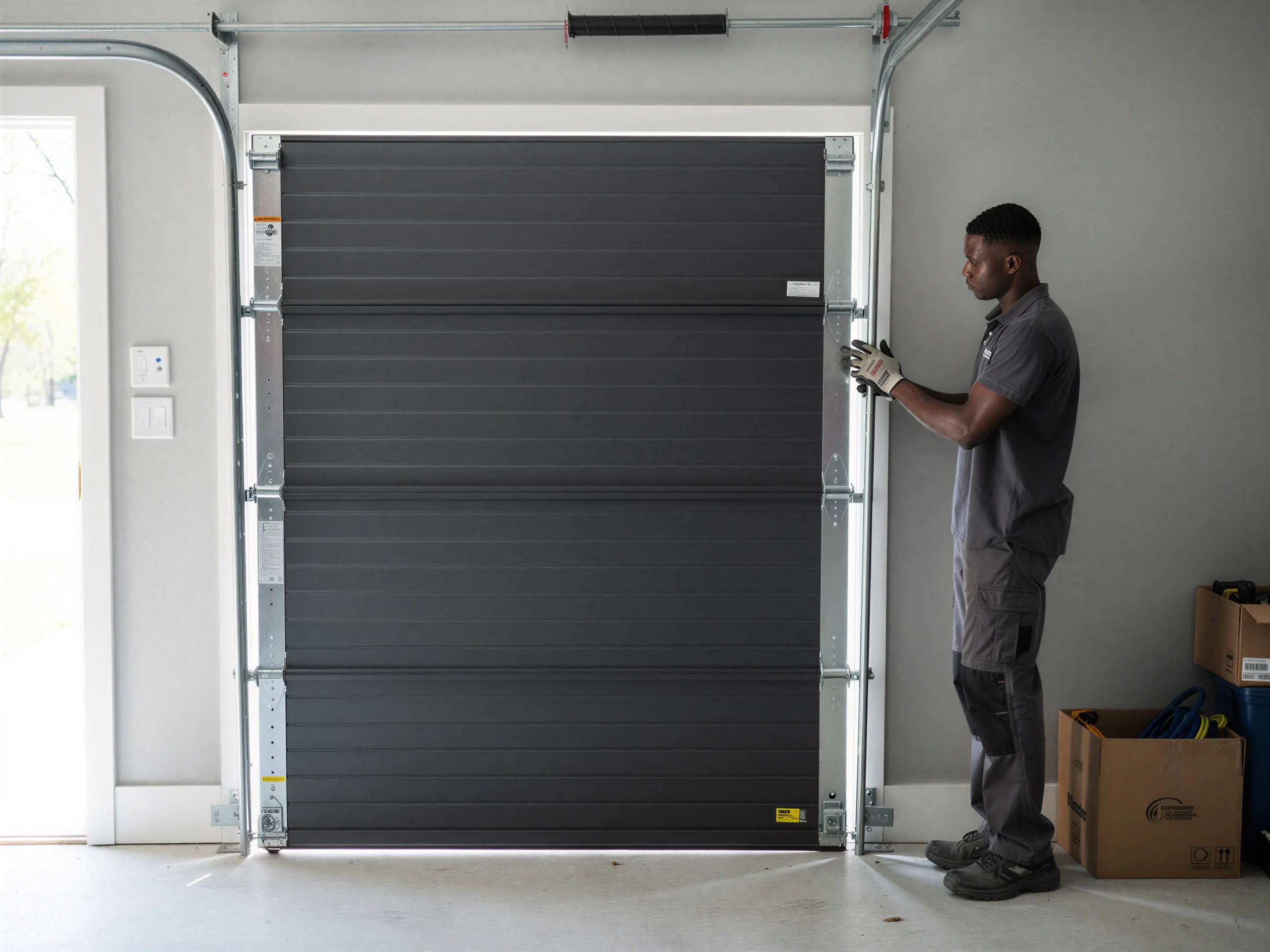
New Door Installation
Most Libertyville homes date to the mid-1970s and still carry original torsion hardware. Learn more →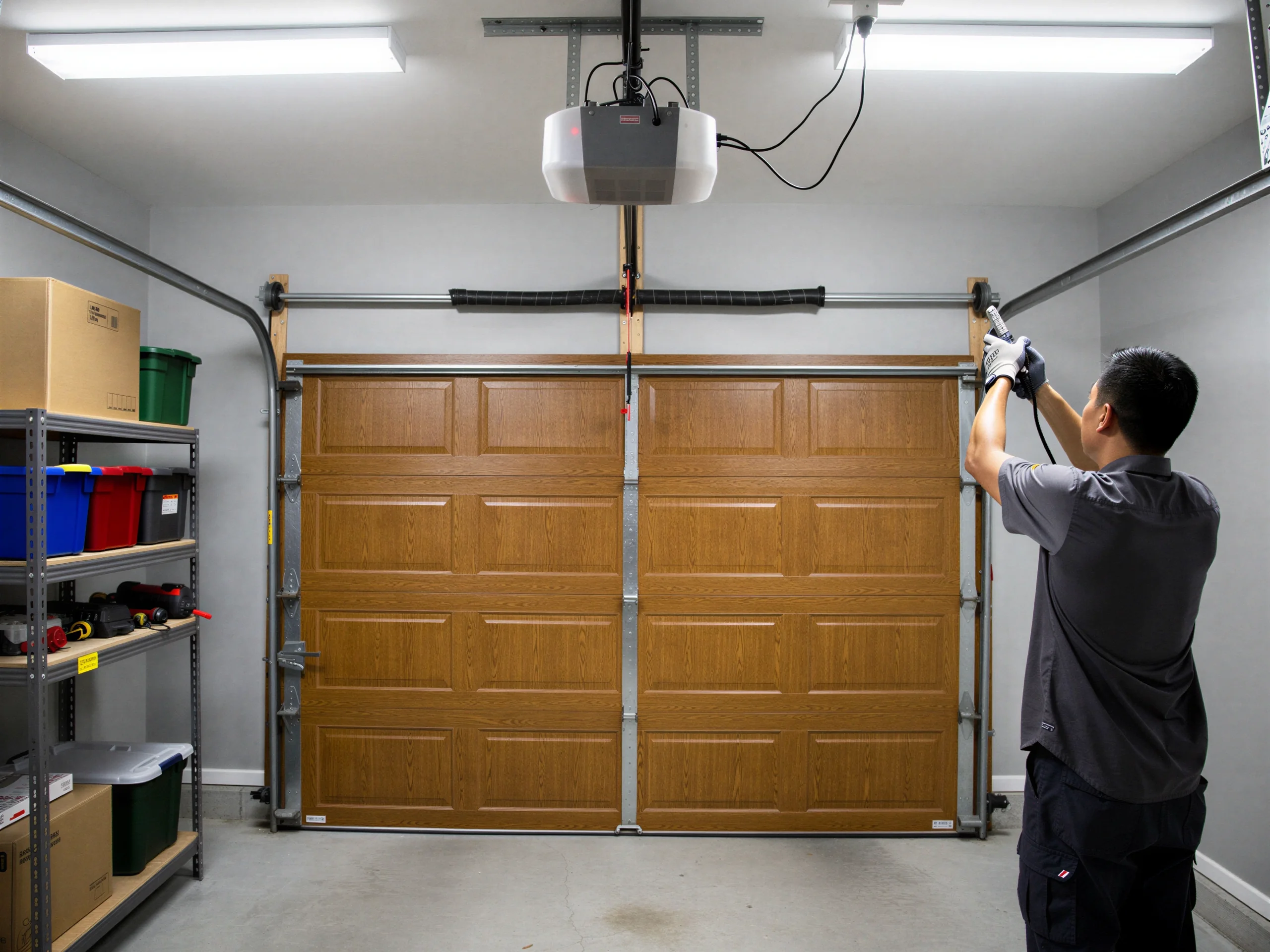
Opener Installation
Opener installs in Libertyville, run from our Rolling Meadows base 15 miles out. Learn more →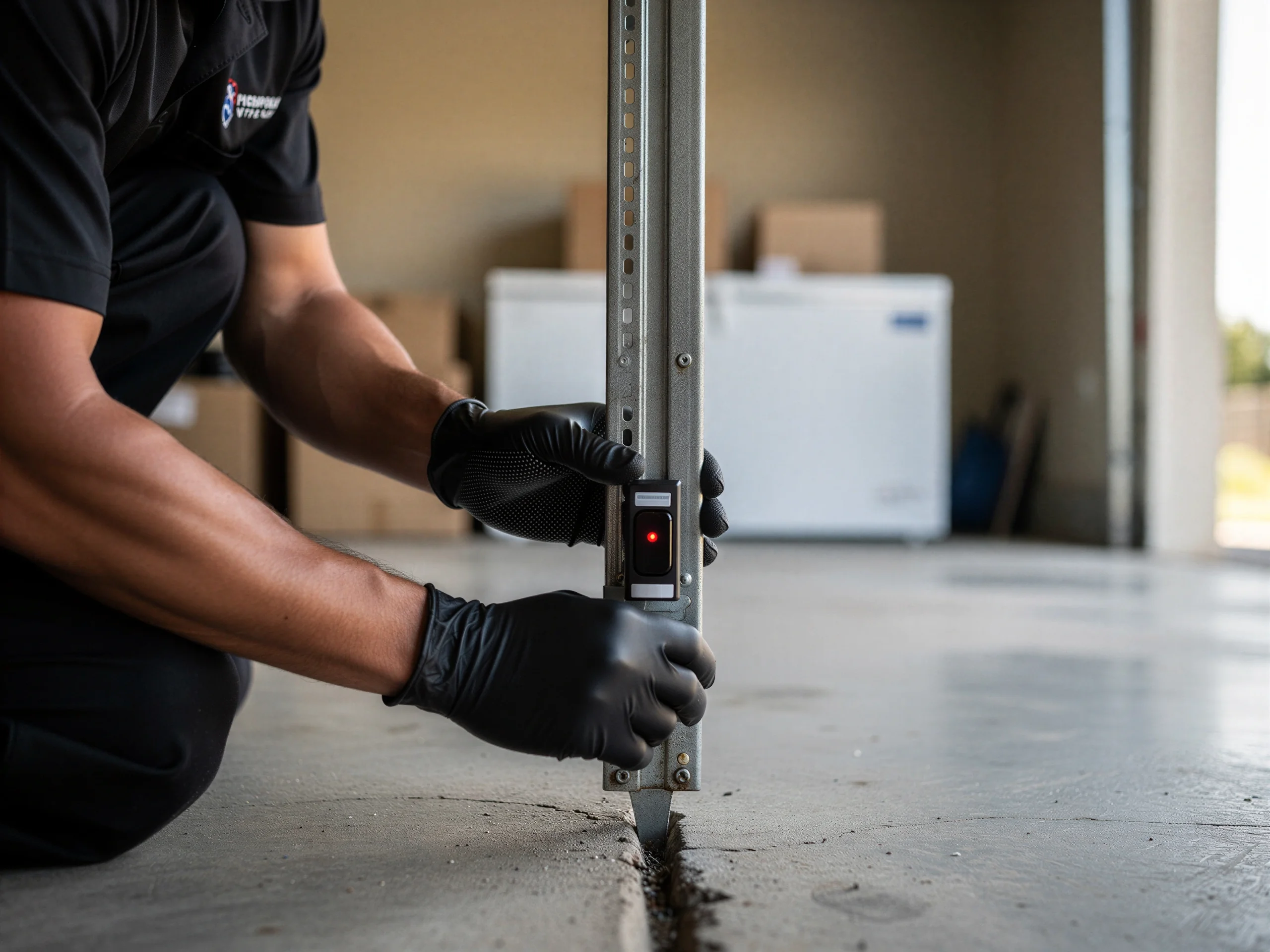
Opener Repair
Opener repair for Libertyville's mid-1970s houses, serviced from Rolling Meadows, 15 miles out. Learn more →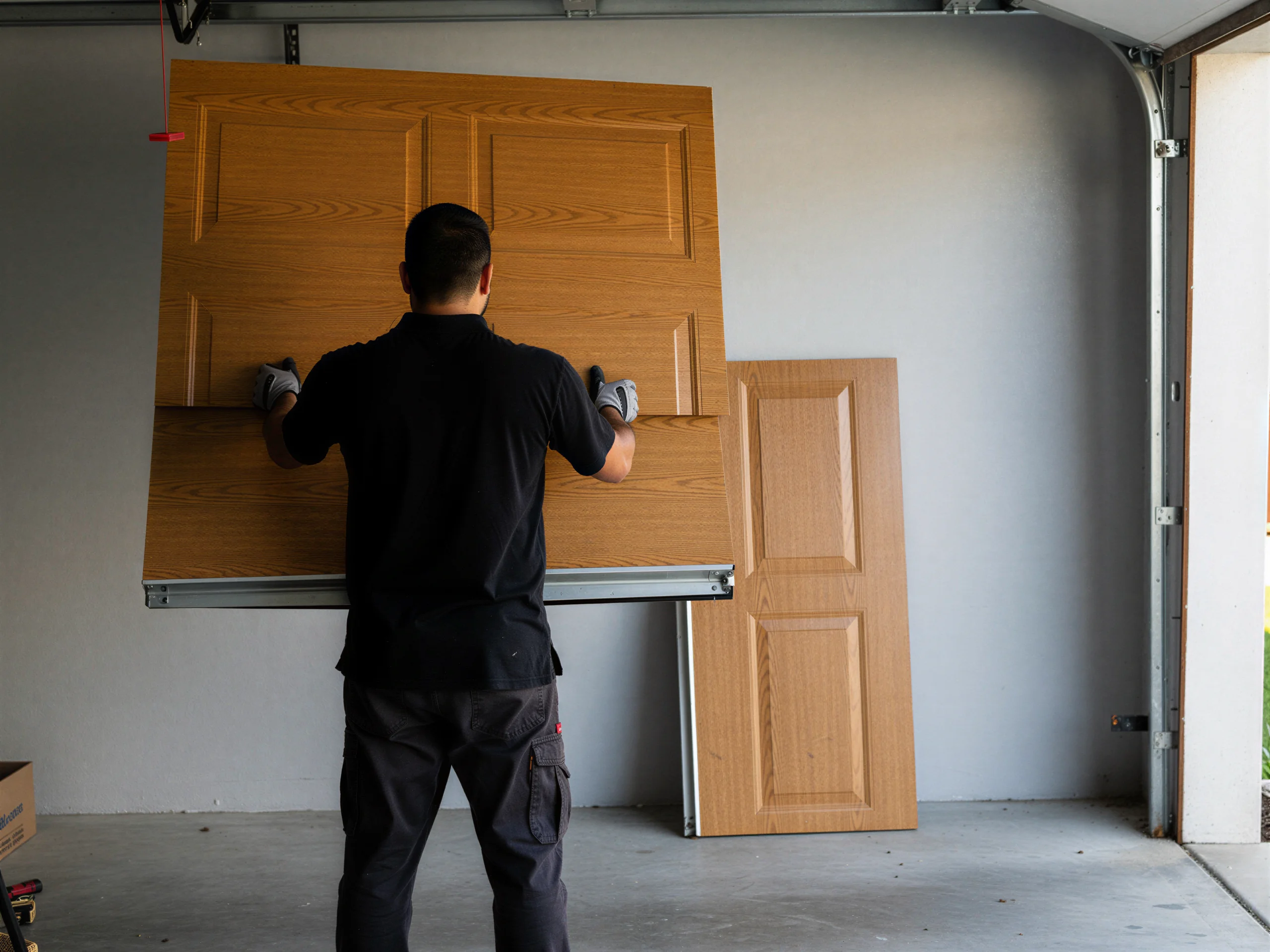
Panel Replacement
Panel replacement for Libertyville homes built around 1976, matched against the income level and door age that decide whether a panel swap or a full door makes sense. Learn more →Ready when you are
Need garage door service in Libertyville?
Rolling Meadows Garage Door Pros repairs and installs garage doors, springs and openers in Rolling Meadows, IL and the surrounding area.