Westchester, Rolling Meadows
Garage Door Service for Westchester's 1950s Housing Stock
Westchester homes mostly went up in the late 1950s, which means narrower original openings and steel doors nearing the end of their run. We drive out from Rolling Meadows to fix them.
Popular Services
Parts We Carry
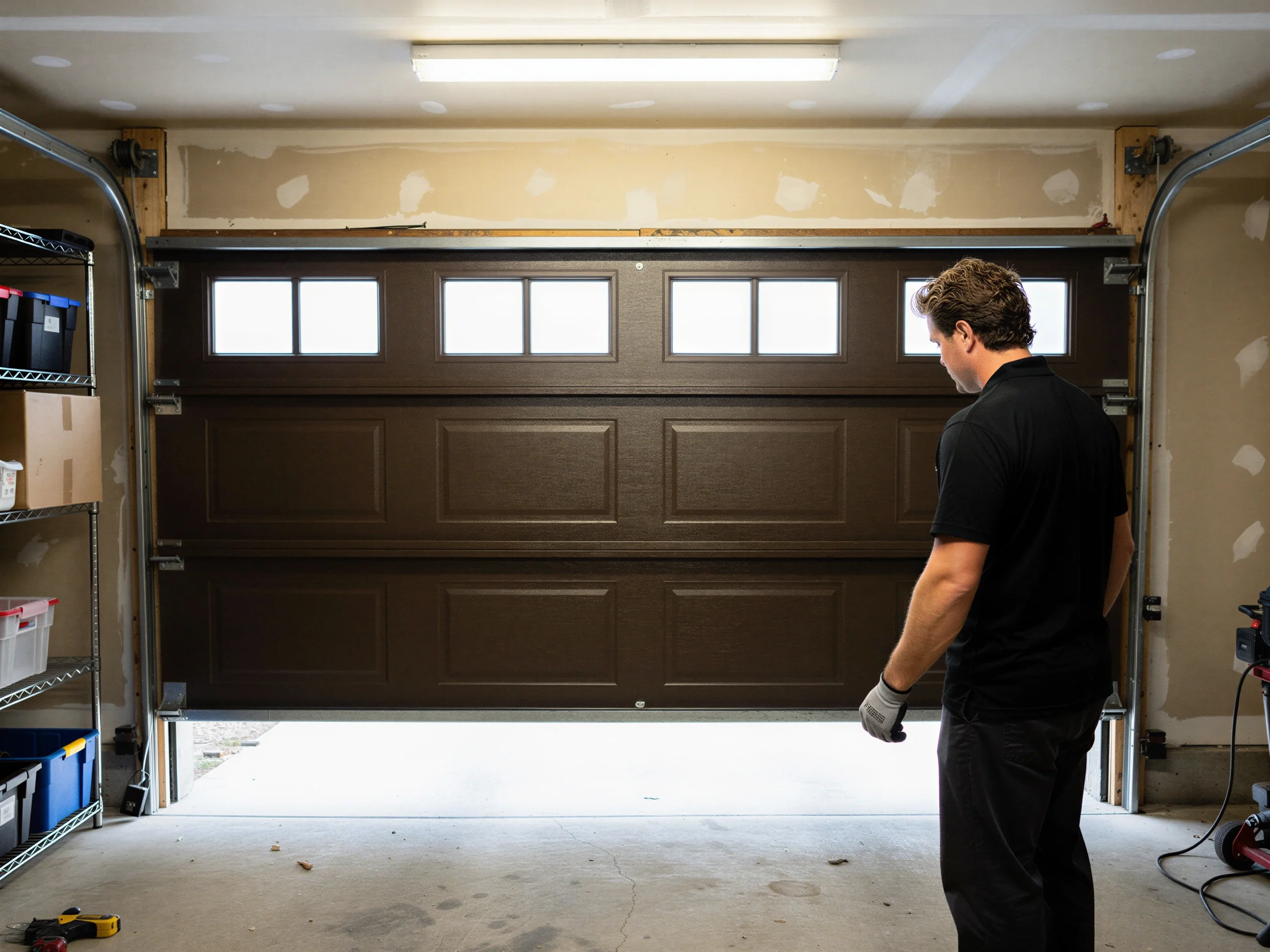
Most of Westchester's houses date to around 1957, which puts the original garage openings on the narrow side compared to what gets built now - plenty of single 8-foot or 9-foot bays rather than the 16-foot doubles common in newer subdivisions.
Springs for both setups
We carry torsion springs and extension springs sized for both, along with steel rollers, galvanized cable, and standard-lift track hardware that fits the shorter headroom typical of a garage built in that era. We also stock weatherstrip and bottom seal in widths that match older single doors, not just the wide doubles.
Newer panel hinge hardware
If your door is a steel replacement installed sometime in the last 20-30 years rather than the original, we carry hardware for that generation too - the sectional panel hinges and end bearings wear out at a predictable rate no matter when the door itself went in.
Discontinued remote frequencies
One limitation worth saying plainly: if your opener is old enough that the logic board or the specific remote frequency is discontinued, we may not be able to match it. In that case replacing the opener outright is usually cheaper than hunting for an obsolete part, and we'll tell you that instead of stringing out a repair that won't hold.
The Symptom
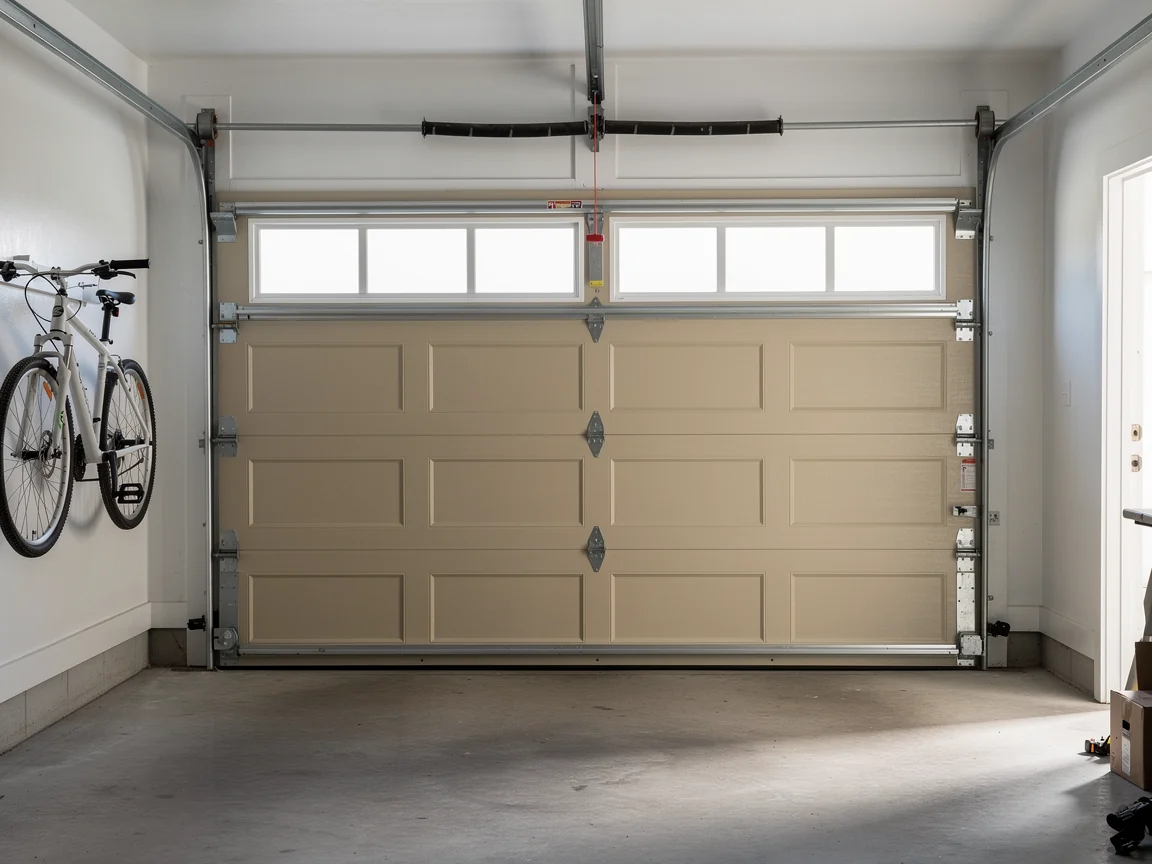
On a house built around 1957, the two most common calls we get are a spring that's given out on a single-bay door and a track that's pulled loose from the framing where decades of settling have shifted the opening slightly out of square.
Winter brittleness and tension
Illinois winters are rough on both - cold makes steel brittle and springs lose tension faster, and the service area overall sits in a cold climate zone with real seasonal swings that nothing is well-known for, it's just the default here.
Narrow door spring symptoms
If your door is the narrower original size, a broken spring often shows up as the door barely lifting off the floor before the opener strains and stops - there isn't much mechanical advantage built into a single-car door the way there is on a double.
Uneven lift on pairs
If you've got a wider replacement door installed later, the symptom looks different: uneven lift, one side dropping faster than the other, which usually means one of a pair of torsion springs has gone and the other is about to follow.
How We Fix It
We match the repair to what's actually hanging on the opening, not a generic kit. On an original single-bay door from the late 1950s, that means pulling the old spring size and cross-referencing it against the door's weight and drum size rather than guessing at a standard length.
Matched pair spring swaps
On a later steel replacement, it's usually a straight swap of a matched spring pair, since those doors were installed to a more standard spec in the first place.
Shimming track brackets
Track realignment is as much carpentry as it is door work on houses this age - if the framing has shifted, we shim and re-set the track brackets rather than just tightening bolts back into wood that's loosened its grip over sixty-some years.
Hand balance testing
We test the balance by hand after any spring job, not just by running the opener, because an opener can mask a door that's still badly out of balance until the motor eventually burns out trying to compensate.
How to Book
We're based out of Rolling Meadows and drive out to Westchester for service calls - there's no local branch here, just a truck that comes when you call. Westchester sits about 17 miles from our shop, which we factor into scheduling rather than pretending otherwise.
Tell us the door size, whether it's original or a replacement, and what it's doing (won't open, drifted off track, making noise) when you call, and we'll bring spring and roller stock sized for both the narrow 1950s openings and the wider later doors, so we're not making a second trip for the wrong part.
How Long You Are Without the Door
A spring replacement or track realignment is typically a same-visit fix once we're on site - the door comes back into service that day.
Uncarried older parts
Where it runs longer is parts we don't carry on the truck, which happens more often with original hardware from a 1957 build than with a newer steel door, since some of those older spring sizes and drum configurations aren't stocked the way current standard sizes are.
Same-day or wait
If we have to order something, we'll tell you at the door, not after we've already started the job, so you know whether you're looking at a same-day fix or a short wait for a part.
The DIY Question
Torsion springs are under enough tension to break a bone or worse if they let go while you're working on them, and that risk doesn't change whether the door is from 1957 or last year. We don't recommend homeowners touch spring tension, period.
What you can reasonably check yourself: the weatherstrip and bottom seal, since cold air leaking around a worn seal on an older single-bay door is a comfort problem more than a safety one, and swapping it is low-risk. You can also visually check whether the track bolts into the framing are loose, which is common enough on houses this age that it's worth a look before you call anyone. If the door is dropping unevenly or won't stay up at all, that's a spring or cable problem - leave it and call.
Questions
Common questions
Why does my garage door feel heavier to lift than it used to?
If the house is from the late 1950s era common in Westchester, the door is likely a narrower single-bay size, and a weakening torsion or extension spring shows up faster on that layout than on a wider double door. It usually means the spring has lost tension and needs replacing, not adjusting.
Do you have a shop in Westchester?
No. We're based in Rolling Meadows, about 17 miles out, and we drive to Westchester for service calls. There's no local branch or drop-in counter here, just scheduled truck visits.
Will you know what size spring my older door needs?
We cross-reference the door's weight, drum size, and lift type on site rather than guessing from a standard chart, since original hardware from a 1950s build doesn't always match current standard sizing. That's part of the diagnostic, not an extra step.
Is it worth replacing an original 1950s door instead of repairing it?
Depends on the door. If the panels and track are structurally sound and it's just a spring or roller issue, repair makes sense. If the steel or wood is failing at the panel seams, replacement is usually the better money, and we'll say so rather than patch something that's near the end of its run.
Explore more
More Services in Westchester
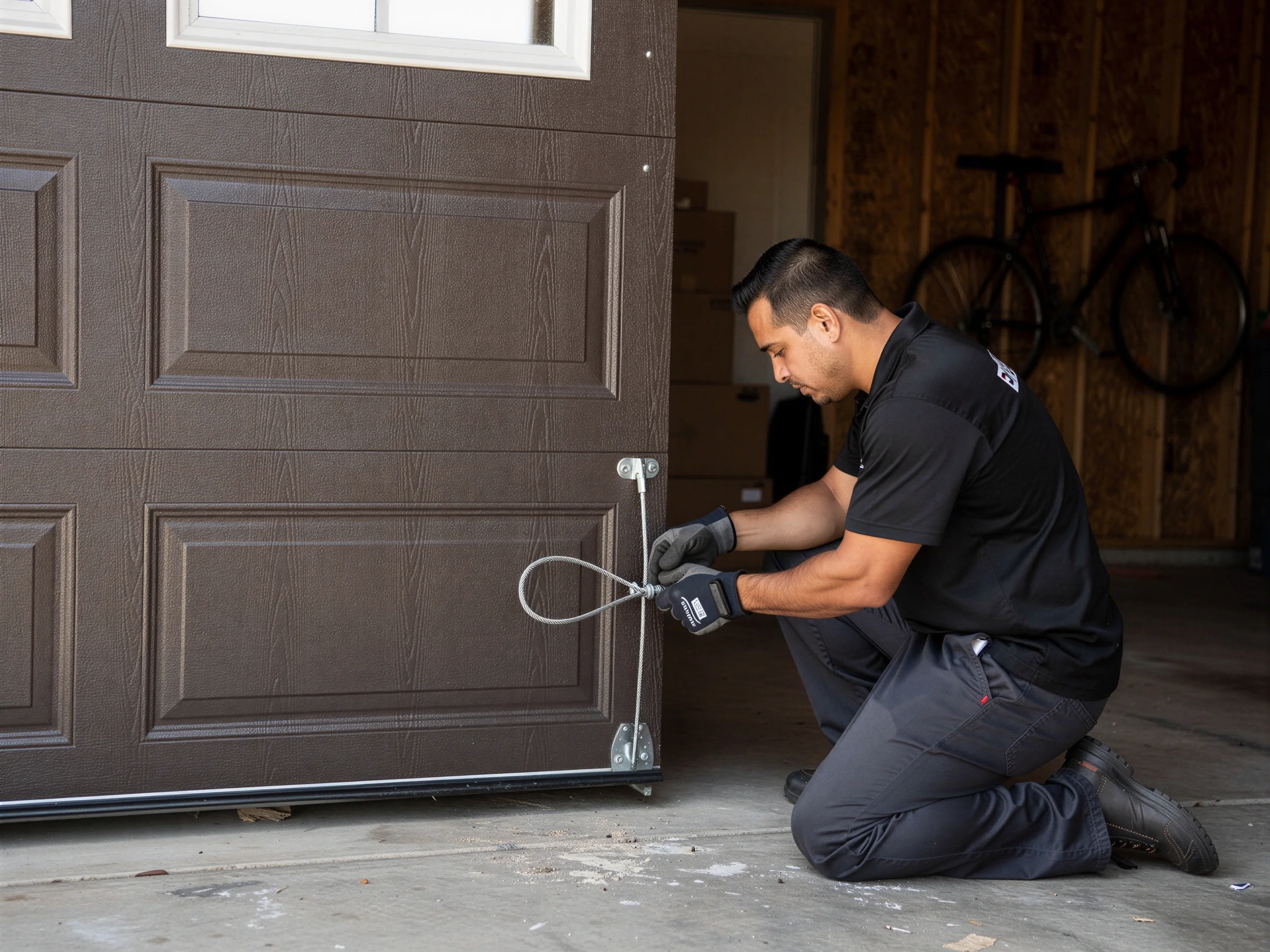
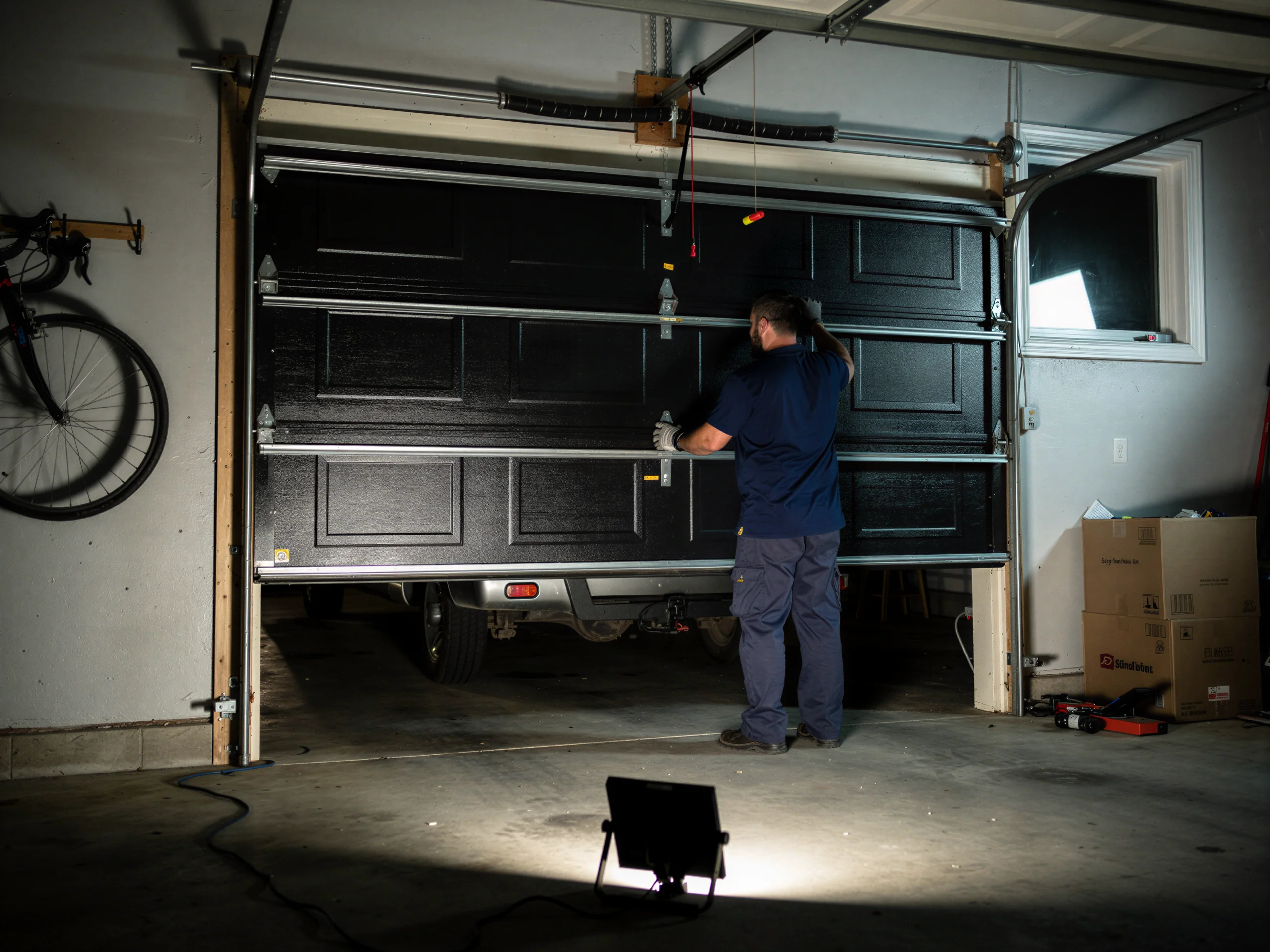
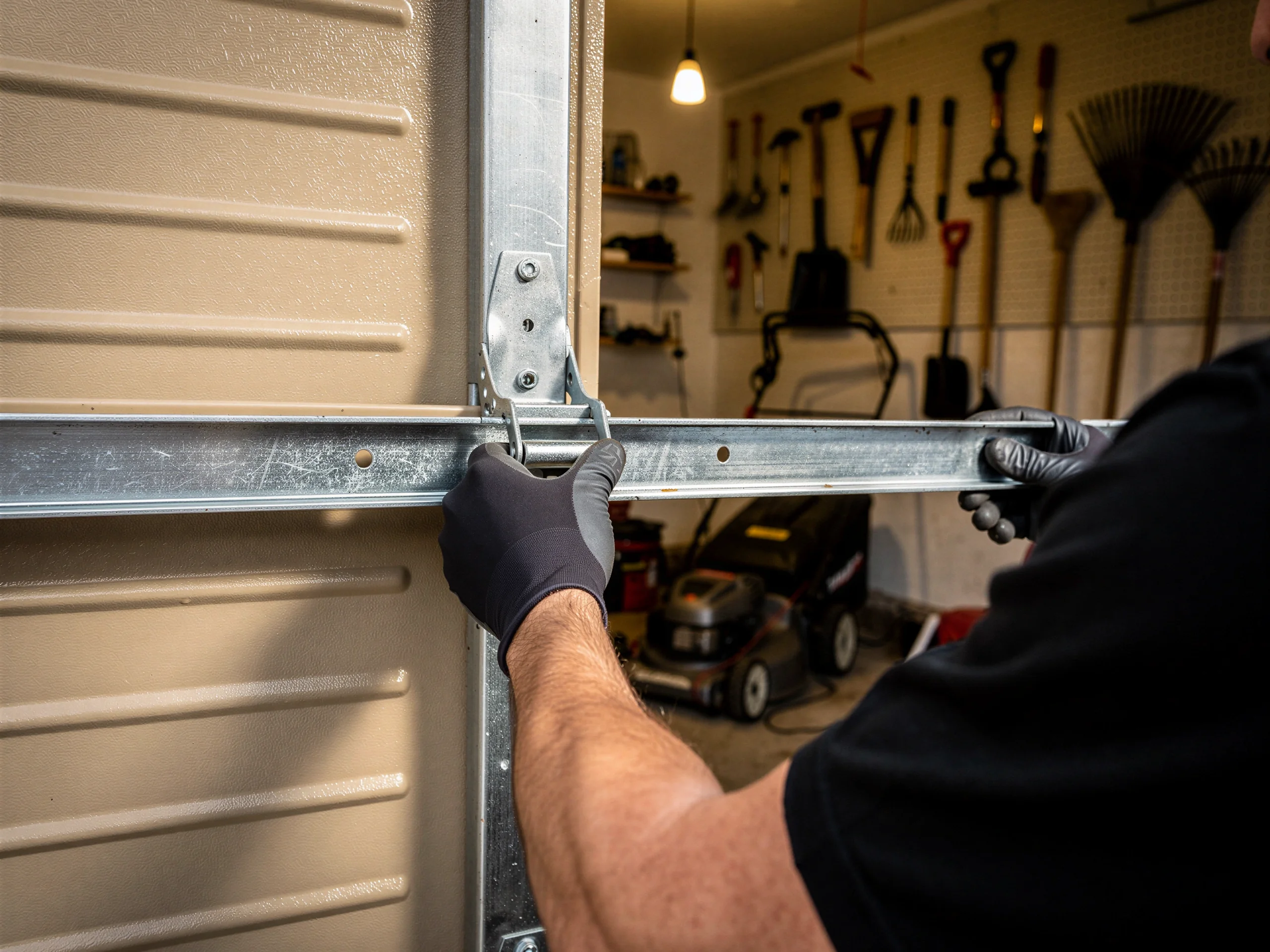
Garage Door Repair
Westchester homes mostly date to 1957, a generation before the service area's 1978 median. Learn more →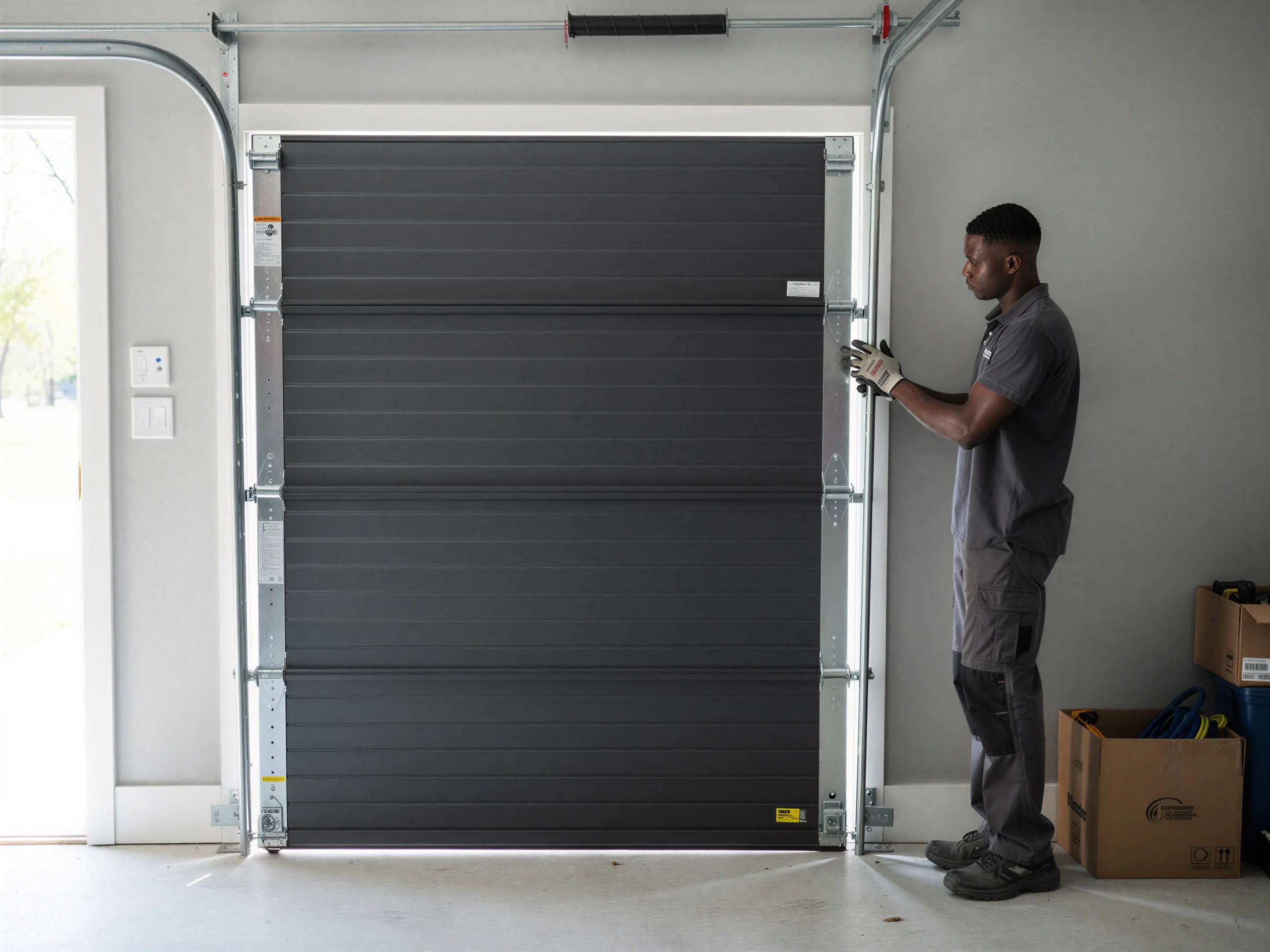
New Door Installation
Most Westchester houses date to around 1957, older than the typical stock across our service area. Learn more →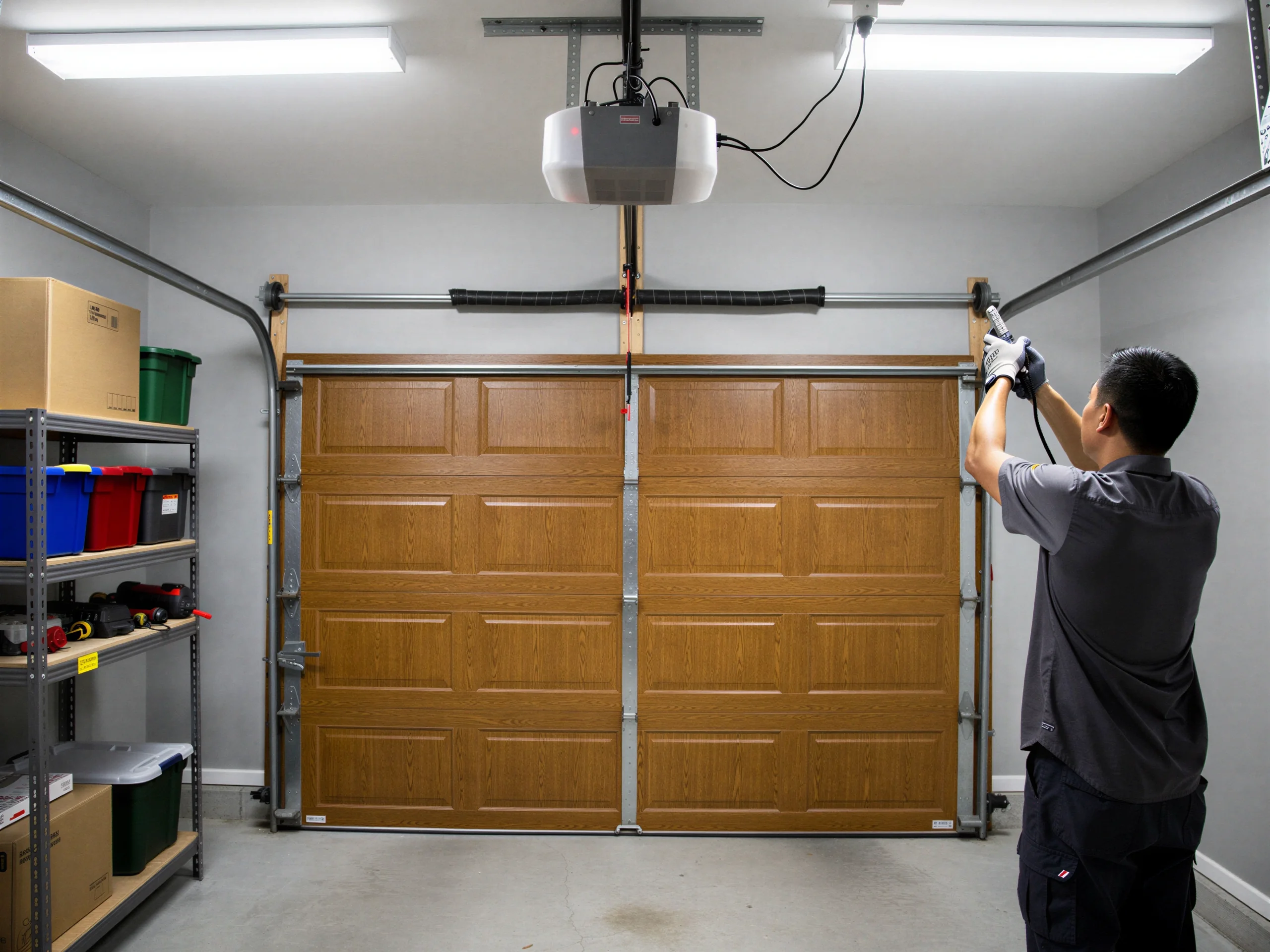
Opener Installation
Westchester homes median at $103,561 income and built around 1957 need openers matched to older track and headroom, not the newest smart unit. Learn more →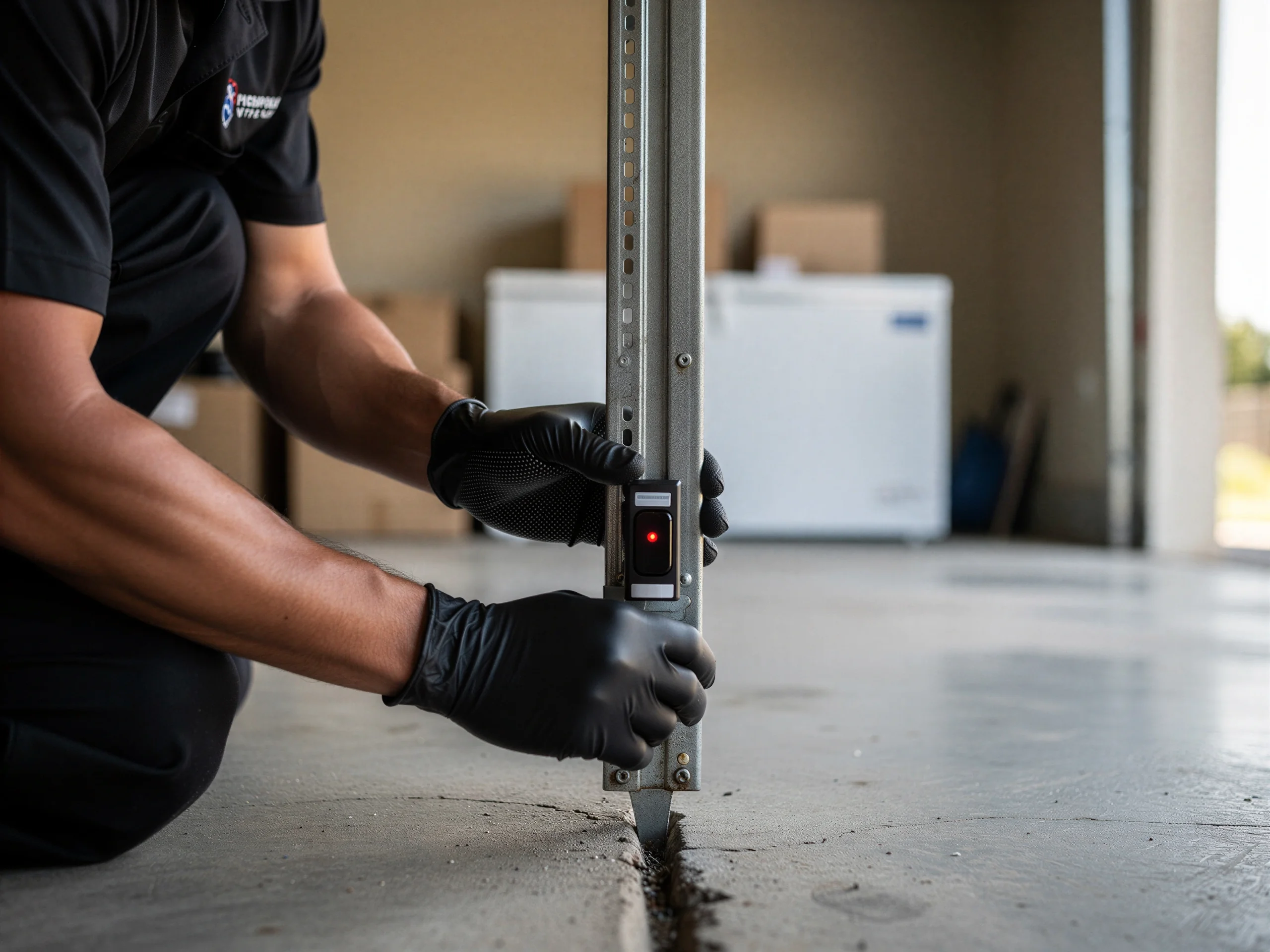
Opener Repair
Westchester's houses date to a median year of 1957, a decade before most of the Rolling Meadows service area filled in - which means older opener mounts and gear sets we see less often elsewhere. Learn more →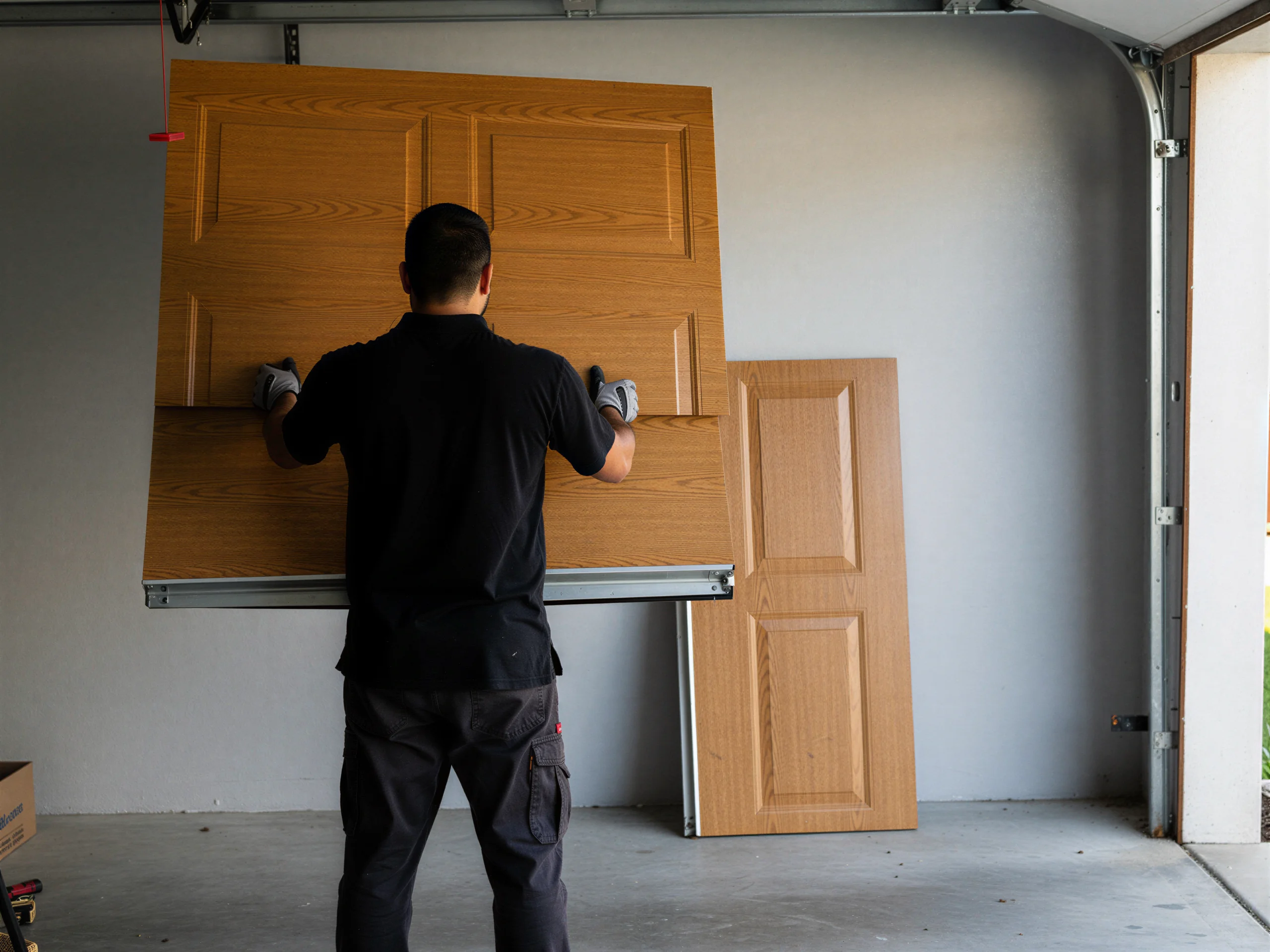
Panel Replacement
Westchester homes built mostly through the 1950s carry steel sectional doors with narrower panel widths than newer stock. Learn more →Ready when you are
Need garage door service in Westchester?
Rolling Meadows Garage Door Pros repairs and installs garage doors, springs and openers in Rolling Meadows, IL and the surrounding area.