Westchester, Rolling Meadows
Opener Repair for Westchester's 1957-Era Garages
Westchester's houses date to a median year of 1957, a decade before most of the Rolling Meadows service area filled in - which means older opener mounts and gear sets we see less often elsewhere.
Popular Services
Parts We Carry
Westchester's median build year sits at 1957, noticeably earlier than the 1978 median across the rest of the territory we cover. That gap matters for openers because a house built in 1957 has usually been through two or three opener generations already - the original chain unit, a replacement bought sometime in the 80s or 90s, and in some cases a newer belt or screw-drive unit bolted onto the same old header bracket.
Mixed-era opener parts
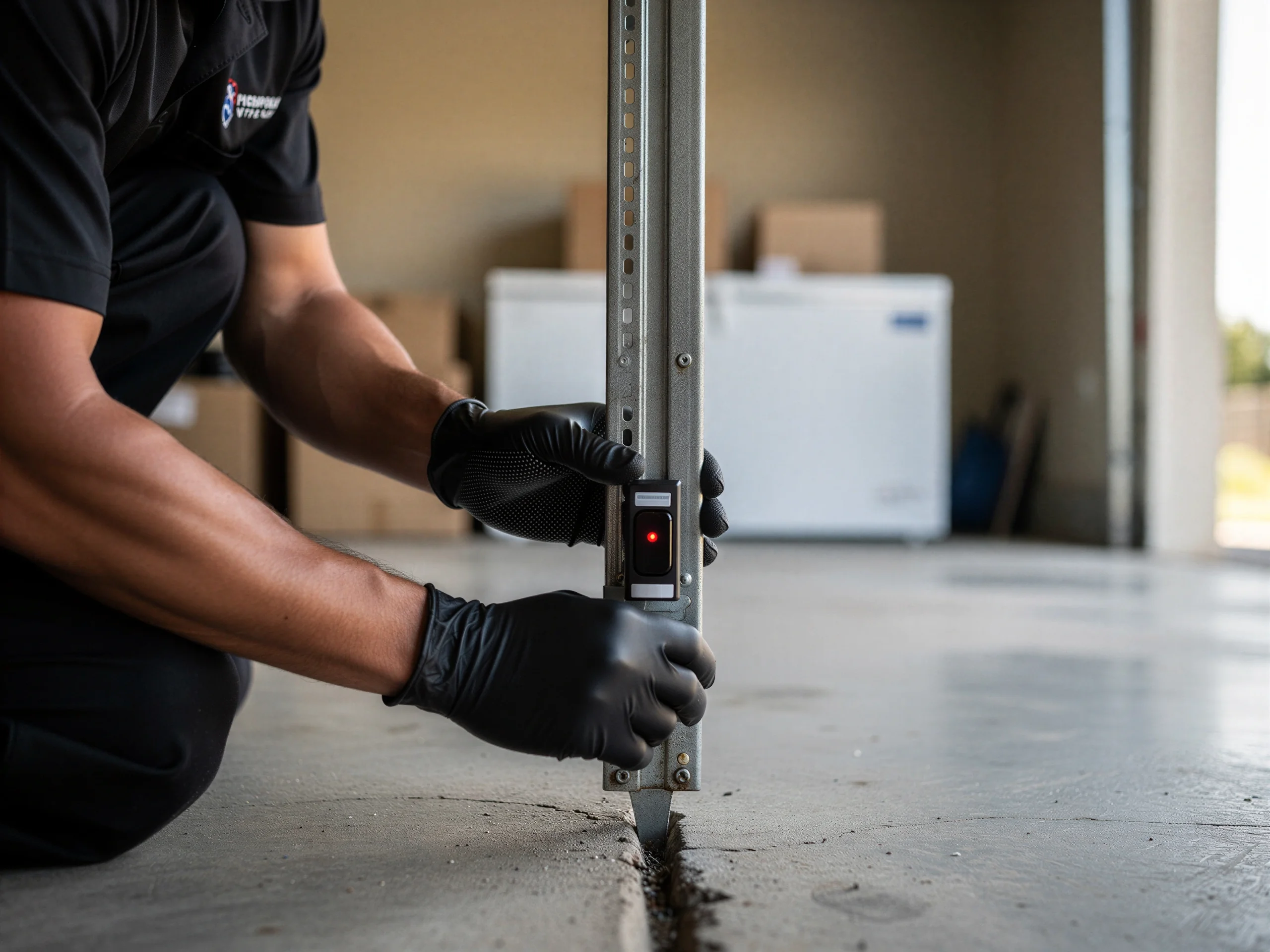
We carry the parts that keep those mixed-era setups running: drive gears and sprockets for chain units, logic boards and capacitors for the control box, safety sensor pairs, and remotes and wall controls that match older frequency ranges.
Proprietary line not stocked
What we don't stock on the truck is anything proprietary to a single manufacturer's newest smart-home line - if your opener is only a few years old and under a brand's own warranty, that part can take longer to source, and we'll tell you that up front rather than guess at a date.
Mismatched rail and bracket
Because so many Westchester garages have had at least one opener swap already, the header bracket and rail are often not original to the unit currently running. That mismatch is itself a common cause of binding and noise, and it's one of the first things we check before assuming the motor itself has failed.
The Symptom
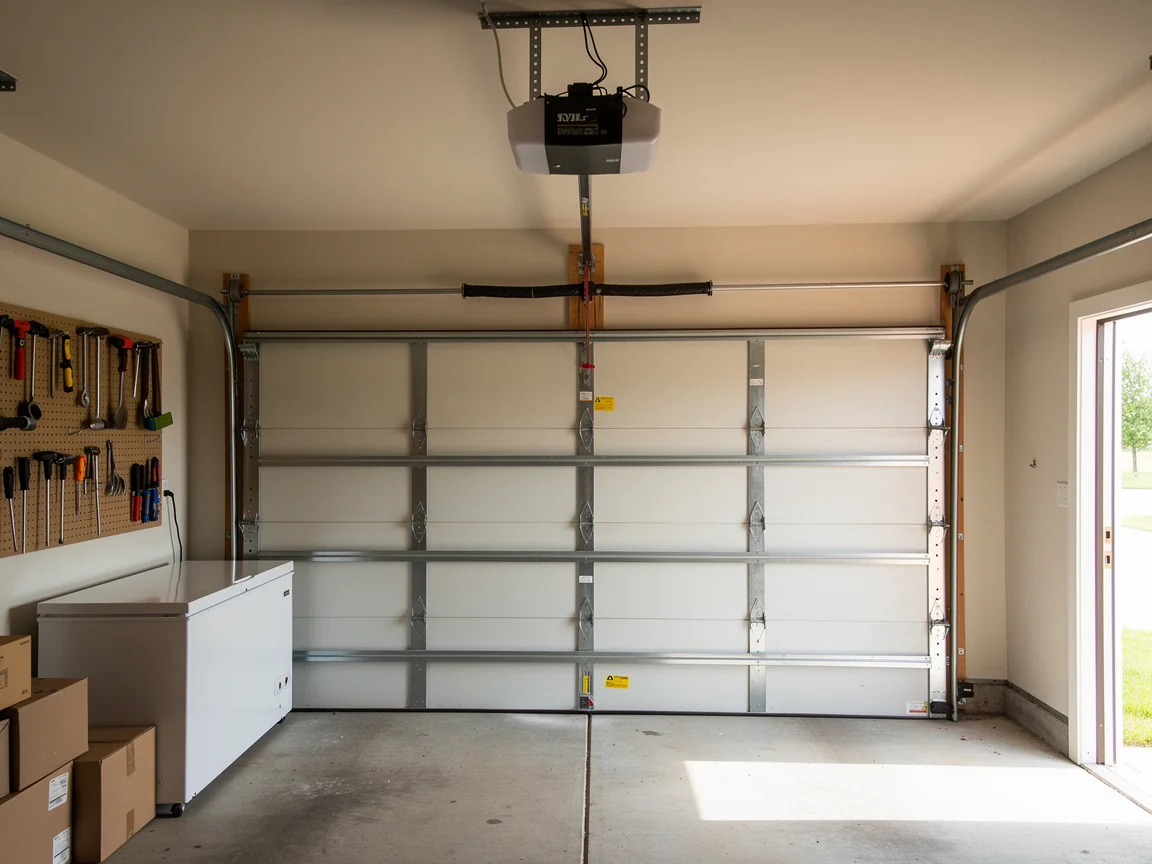
The complaint we hear most from this part of the territory is an opener that runs but the door doesn't move the full distance, or stops partway and reverses.
Settled limit switch drift
On a house from the late 1950s, that's usually one of two things: a limit switch or sensor that's drifted out of adjustment over the years as the garage structure has settled slightly, or a drive gear worn down from decades of use on hardware that was never upgraded.
Cold-stiffened grease strain
Cold makes both worse. This region sits in a severe cold climate band, and old grease in a 1957-vintage track system or an aging gear set gets stiff enough in a hard freeze that the opener strains, trips its sensor, and quits rather than force the door.
Photo-eye bumped out of line
A second pattern we see is the opener running normally but the door not latching the safety reversal test - the photo-eye sensors knocked out of alignment, often from someone bumping a storage shelf or a bike rack near the door opening. That's a quick fix once we're on site, but it's not one to ignore; it's a federally required safety feature, not a convenience one.
How We Fix It
We come out from Rolling Meadows, about 17 miles from Westchester, so the first thing we do on arrival is run the opener through a full cycle before touching anything - that tells us whether the fault is electrical, mechanical, or in the sensor alignment.
Gear housing inspection
On the older gear-driven units common in this area's housing stock, we pull the gear housing and inspect for stripped teeth, which is the single most common reason a chain-drive opener from this era starts making a grinding sound and then stops lifting the door altogether.
Track and spring tension
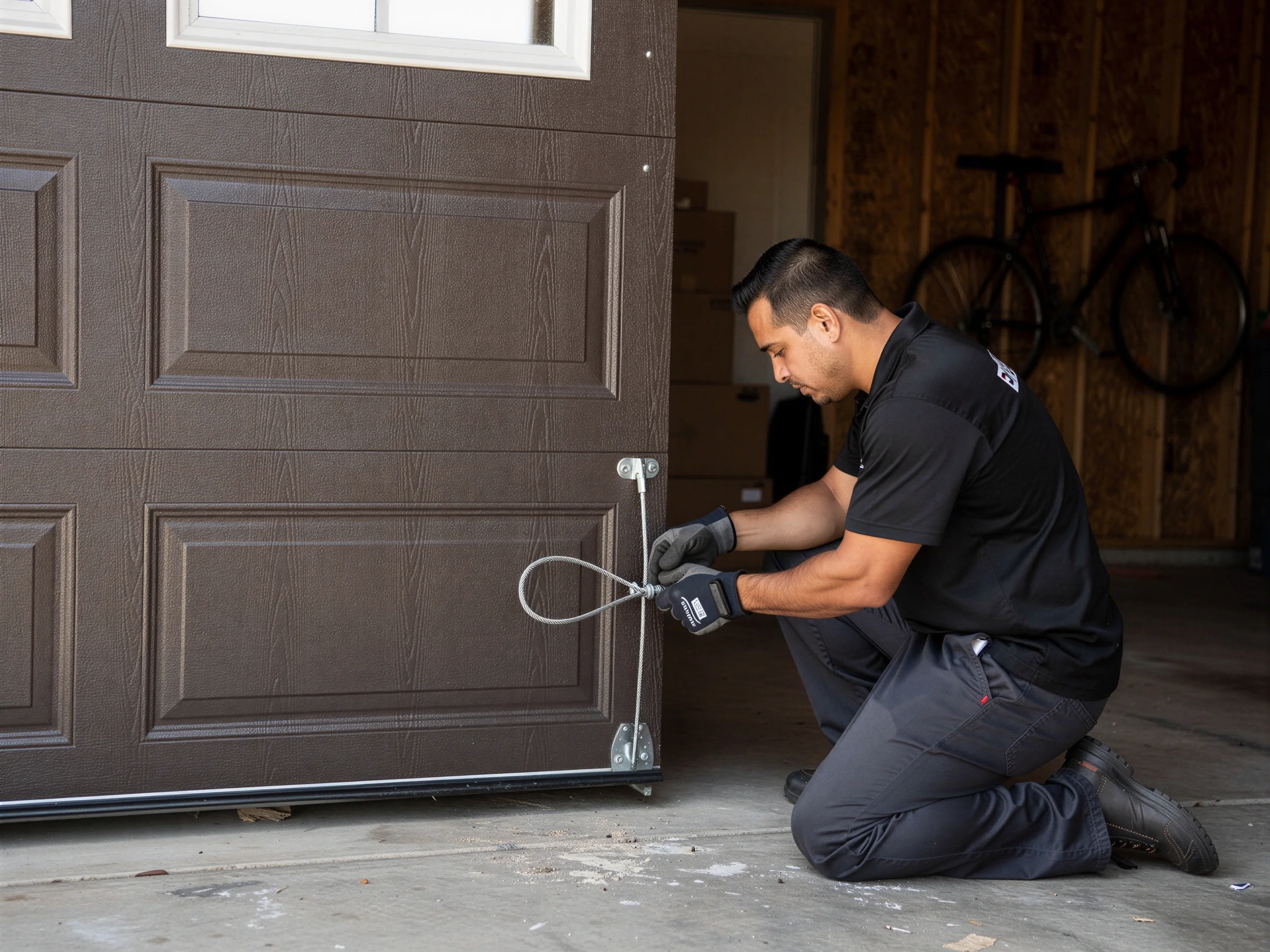
If the motor and logic board check out, we move to the track and spring tension, since an opener working harder than it should is often compensating for a door that's out of balance, not an opener fault at all.
Limits and sensor reseating
We adjust the limit settings, reseat or replace the sensors, and test the auto-reverse safety function before we leave. If the opener itself is simply at the end of its working life, we'll say so rather than patch something that'll fail again in a month.
How to Book
Start on our Westchester service page for what we cover in this suburb, or check the opener repair page based out of Rolling Meadows if you want detail on how the truck and scheduling work from our home base. Either way, give us the opener's approximate age and what it's doing - grinding, not reversing, running but not moving the door - and we can usually tell you over the phone whether it sounds like a sensor, gear, or board issue before a truck ever leaves Rolling Meadows.
How Long You Are Without the Door
Most opener repairs on the mechanical side - gears, sensors, limit adjustment - are finished in one visit.
Model-specific board delays
Where it slows down is parts. If your opener is one of the newer belt-drive units under 103,561-income-area household budgets have been installing more of in recent years, and the failed part is specific to that model's control board, we may need to order it, which can add days. On the older chain-drive units more common to this area's 1957-built housing, the gears and sprockets we carry on the truck cover most failures on the spot.
No same-day guarantee
We won't quote a same-day guarantee here, because the honest answer depends on which part failed and whether it's one we stock. What we can tell you is that the diagnosis itself - figuring out whether it's the opener, the sensors, or the door's own balance - happens during the first visit, every time.
The DIY Question
Realigning a photo-eye sensor that's gotten knocked sideways is something most homeowners can do themselves - loosen the mounting screw, nudge it until the indicator light goes solid, retest. Adjusting travel limits on an opener that's reversing early is also within reach for someone comfortable with a screwdriver and the owner's manual.
Where we tell people to stop is anything involving the drive gear, the circuit board, or the spring system. A stripped gear housing on an opener that's 20-plus years old, which is common given how many Westchester garages are still running hardware installed well before the newest housing in the broader service area went up, isn't a part you can safely swap without disconnecting power and sometimes the door itself from the opener arm. And never work on the torsion spring near the opener - that's a different job and the wrong place to learn on your own garage.
Questions
Common questions
Why does my opener struggle more in winter?
Cold stiffens grease in the gears and track, and this area sits in a severe cold climate band. An opener that's already got a worn gear or sensor drift will often fail first in a hard freeze because it's working harder to move a door that's also stiffer from the cold - the cold doesn't cause the fault, but it exposes one that was already there.
Do you keep a truck in Westchester?
No. We run out of Rolling Meadows, about 17 miles away, and cover Westchester from there. We don't have a local branch or depot in town, so we can't promise a same-day response time here - we can tell you honestly once we know the job.
Is my opener too old to repair?
Depends on what's failed. A worn gear or drifted sensor is usually worth fixing on any opener. A failed logic board on a unit that's 20-plus years old, which describes a lot of openers in a town with a 1957 median build year, is often the point where replacement makes more financial sense than parts and labor on a dying unit.
Explore more
More Services in Westchester
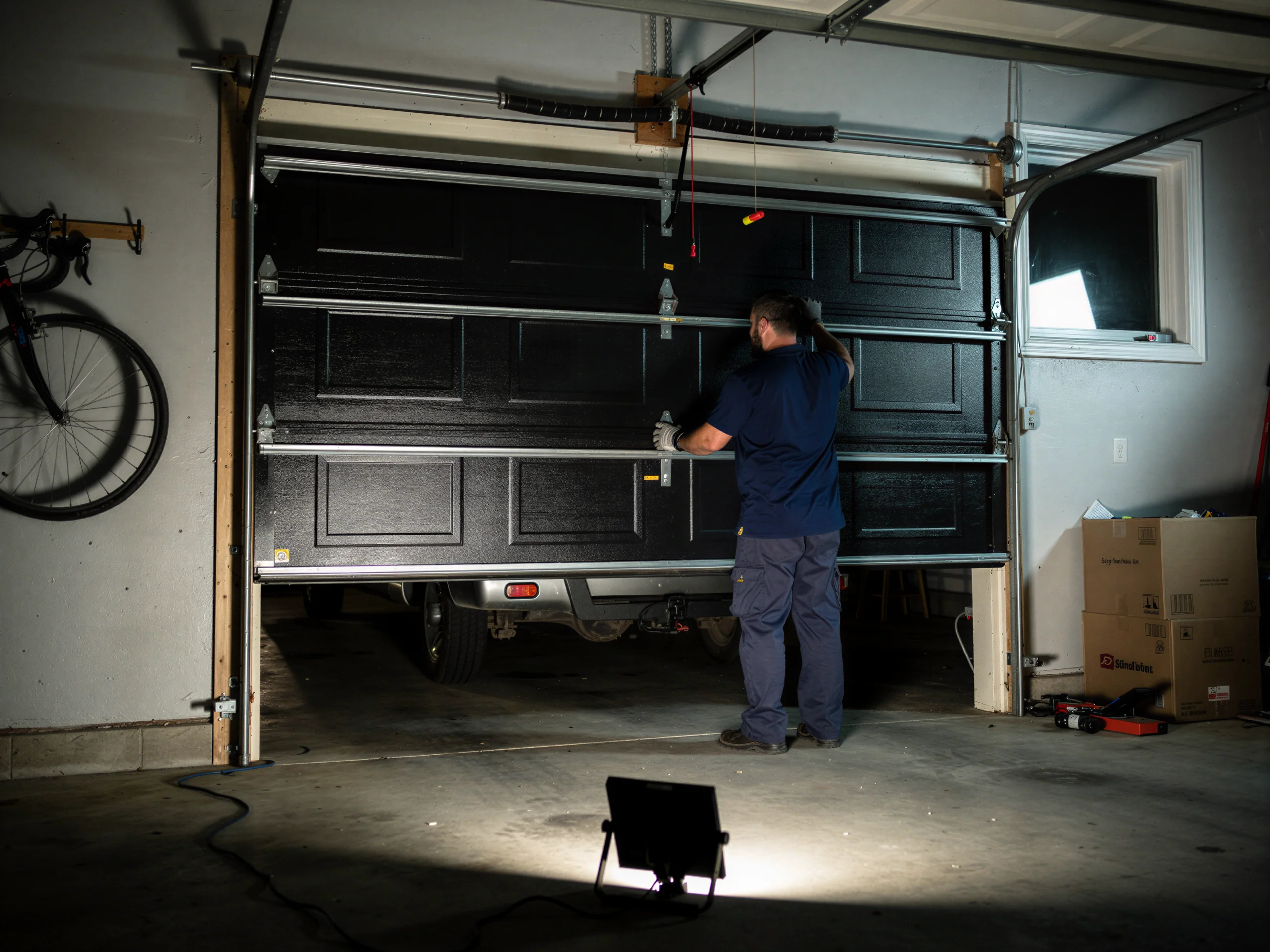
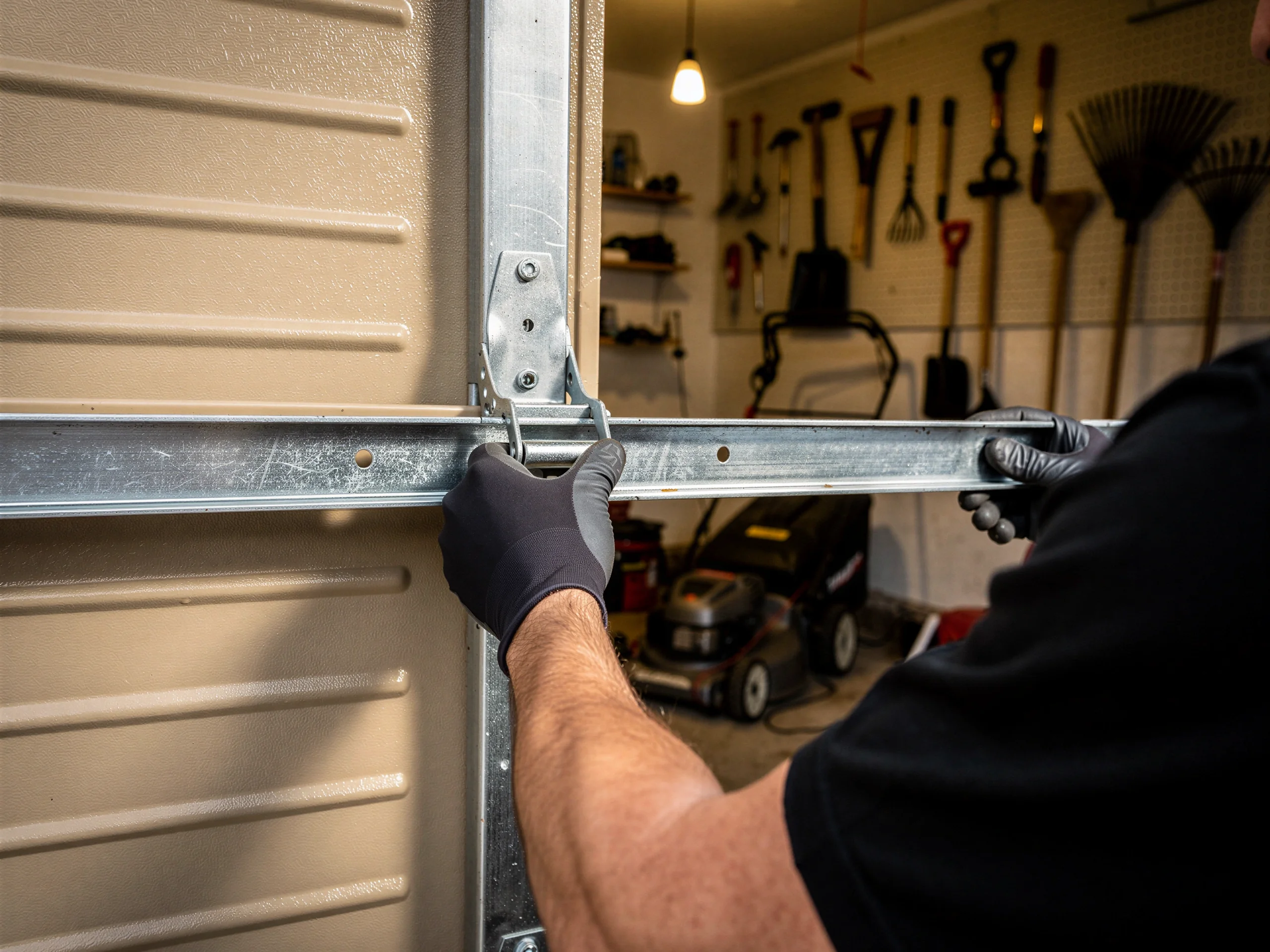
Garage Door Repair
Westchester homes mostly date to 1957, a generation before the service area's 1978 median. Learn more →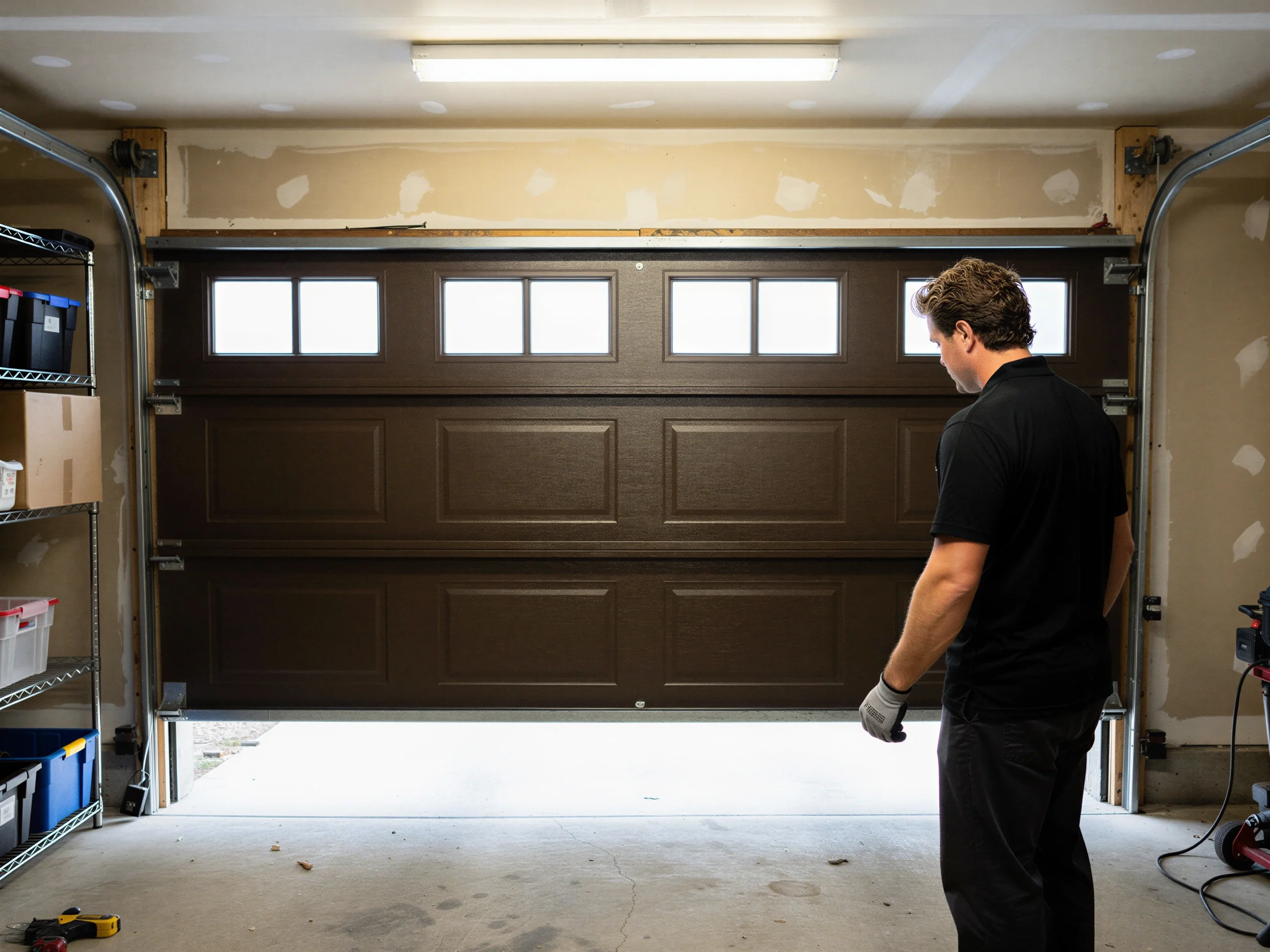
Garage Door Service
Westchester homes mostly went up in the late 1950s, which means narrower original openings and steel doors nearing the end of their run. Learn more →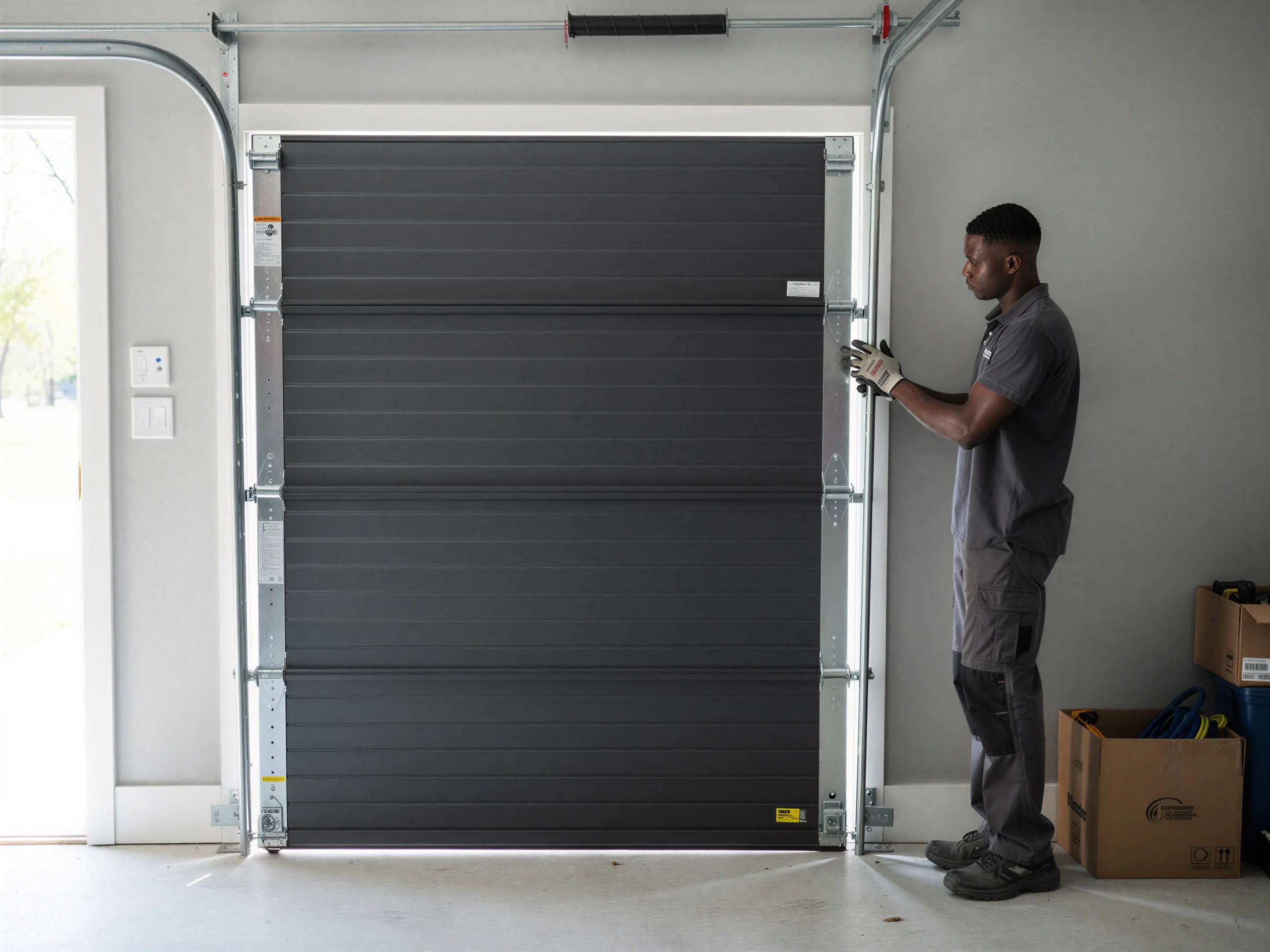
New Door Installation
Most Westchester houses date to around 1957, older than the typical stock across our service area. Learn more →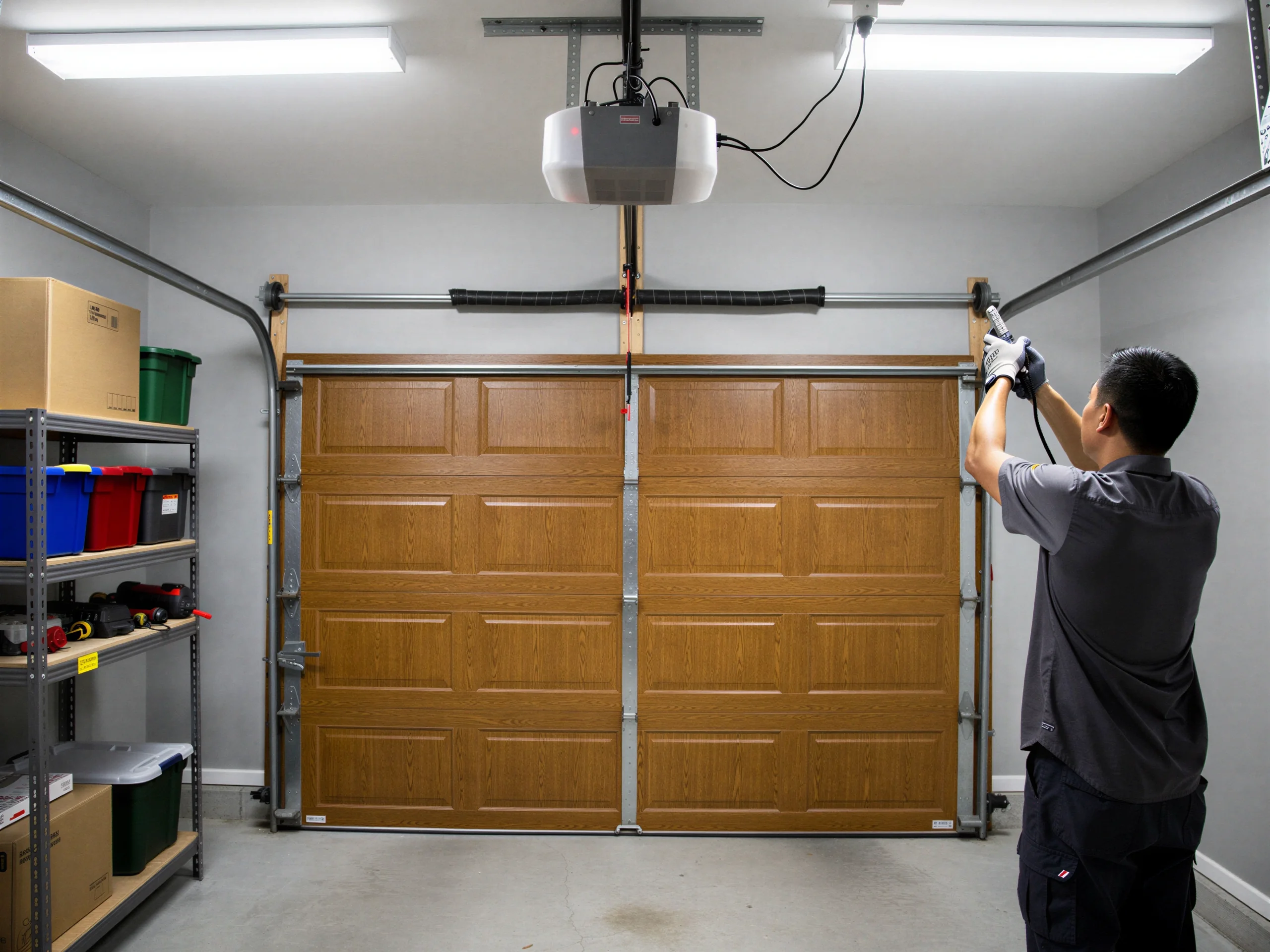
Opener Installation
Westchester homes median at $103,561 income and built around 1957 need openers matched to older track and headroom, not the newest smart unit. Learn more →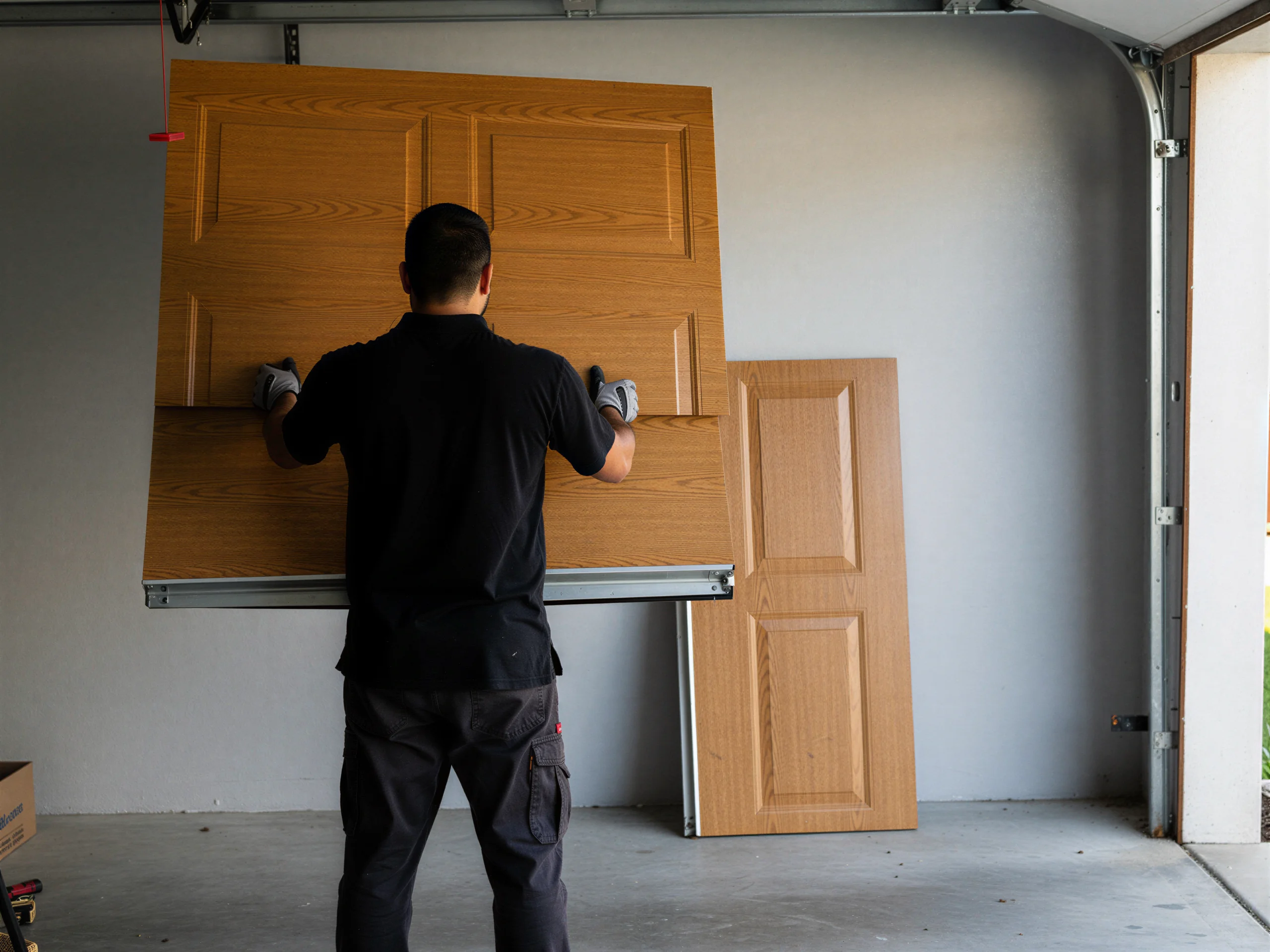
Panel Replacement
Westchester homes built mostly through the 1950s carry steel sectional doors with narrower panel widths than newer stock. Learn more →Ready when you are
Garage door opener acting up in Westchester?
Rolling Meadows Garage Door Pros repairs and installs garage doors, springs and openers in Rolling Meadows, IL and the surrounding area.